
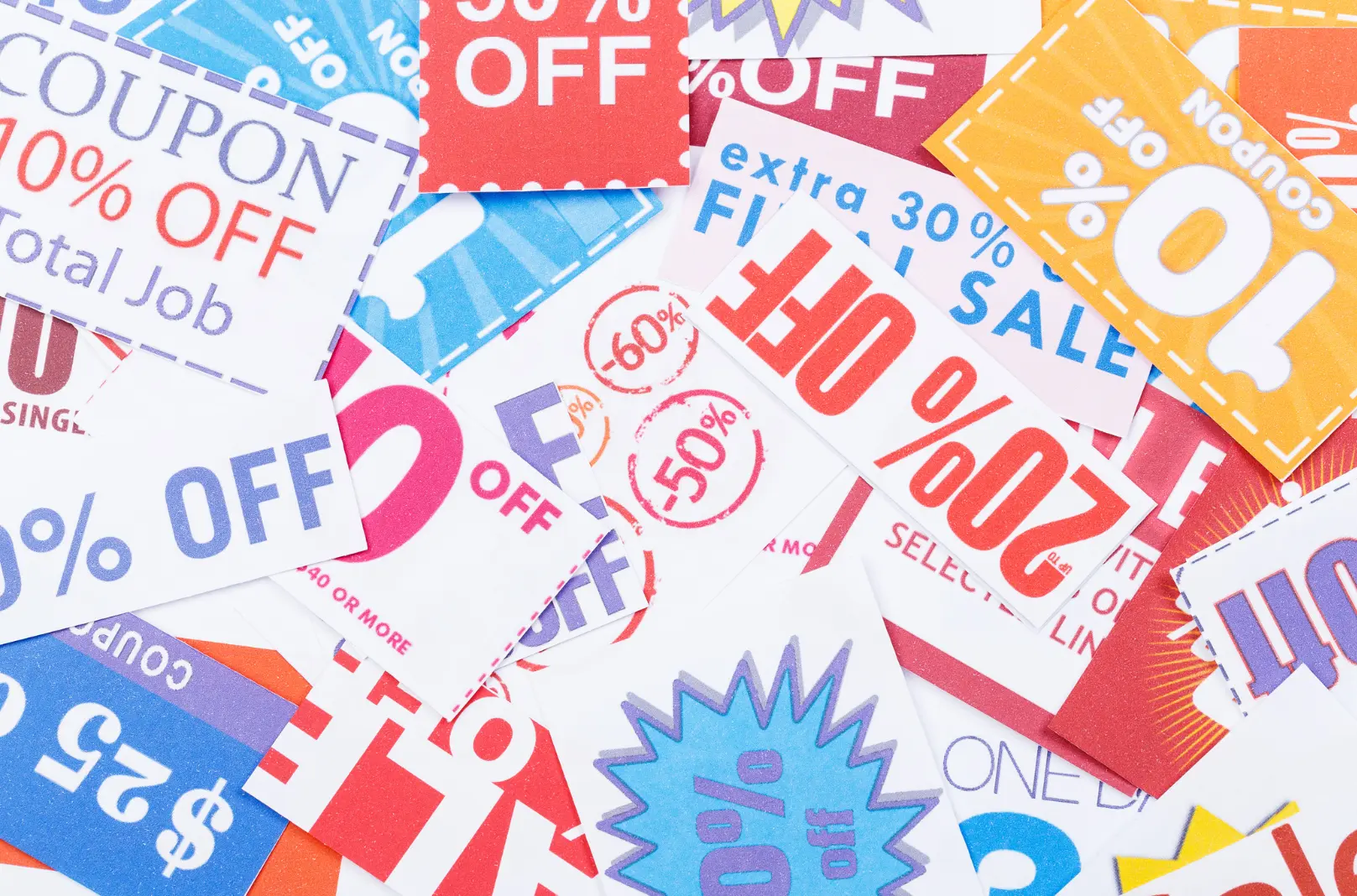
As a small business owner, you're constantly looking for innovative ways to attract new customers, build brand awareness, and drive growth. One effective strategy to achieve these goals is offering freebies. Freebies can be a powerful marketing tool to entice potential customers to try your products or services, build trust, and ultimately convert them into loyal customers.
What Kind of Freebies Can I Offer?
When it comes to freebies, many small business owners think of physical products or discounts. However, freebies can take many forms, including digital products, services, and experiences. Here are some ideas to get you started:
Free trials or demos of your product or service
E-books, guides, or whitepapers related to your industry
Webinars, workshops, or online courses
Free consultations or assessments
Discounts or coupons for first-time customers
How to Choose the Right Freebie for My Business
Choosing the right freebie for your business depends on your target audience, industry, and goals. Consider the following factors:
What are your customers' pain points, and how can you address them with a freebie?
What is your unique selling proposition (USP), and how can you showcase it with a freebie?
What is your budget, and how can you create a freebie that is cost-effective?
For example, a fitness studio might offer a free trial class or a free consultation with a personal trainer. A software company might offer a free trial or a free demo of their product.
5 Useful Freebie Ideas for Small Businesses
Here are 5 useful freebie ideas that can help boost your small business:
1. Free E-book or Guide
Offering a free e-book or guide is an excellent way to showcase your expertise and build trust with potential customers. For example, a marketing agency might create a free e-book on "10 Tips to Improve Your Social Media Marketing Strategy." A financial advisor might create a free guide on "5 Ways to Save for Retirement."
2. Free Trial or Demo
Offering a free trial or demo of your product or service is an effective way to let potential customers experience your offering firsthand. For example, a software company might offer a 30-day free trial of their product. A gym might offer a free day pass or a free week of classes.
3. Free Consultation or Assessment
Offering a free consultation or assessment is an excellent way to provide value to potential customers and showcase your expertise. For example, a lawyer might offer a free consultation to discuss a potential case. A business coach might offer a free assessment to help businesses identify areas for improvement.
4. Free Webinar or Workshop
Hosting a free webinar or workshop is an effective way to educate potential customers and build trust. For example, a marketing agency might host a free webinar on "How to Improve Your Website's Conversion Rate." A fitness studio might host a free workshop on "How to Create a Home Workout Routine."
5. Free Discount or Coupon
Offering a free discount or coupon is an excellent way to incentivize potential customers to try your product or service. For example, a restaurant might offer a free coupon for a discount on a first-time visit. An online retailer might offer a free discount code for first-time customers.
How to Promote Your Freebies
Once you've created your freebie, it's essential to promote it effectively to reach your target audience. Here are some strategies to consider:
Social media marketing: Share your freebie on social media platforms to reach a wider audience.
Email marketing: Send targeted emails to your subscribers to promote your freebie.
Content marketing: Create blog posts, videos, or podcasts to promote your freebie.
Paid advertising: Use paid advertising channels like Google Ads or Facebook Ads to reach a wider audience.
Measuring the Effectiveness of Your Freebies
To measure the effectiveness of your freebies, consider tracking the following metrics:
| Metric | Description |
|---|---|
| Conversion rate | The number of people who convert into customers after receiving a freebie. |
| Customer acquisition cost | The cost of acquiring a new customer through a freebie. |
| Return on investment (ROI) | The return on investment of your freebie, calculated by dividing the revenue generated by the cost of the freebie. |
Case Study: How a Small Business Used Freebies to Drive Growth
A small business owner, Sarah, owns a fitness studio in a busy downtown area. To attract new customers, Sarah decided to offer a free trial class to potential customers. She promoted her freebie on social media, email marketing, and content marketing. As a result, she saw a significant increase in new customers, with a conversion rate of 20%. Sarah's freebie helped her drive growth and increase revenue.
"Freebies are a powerful marketing tool to attract new customers and build trust. By offering value upfront, you can showcase your expertise and build a loyal customer base." - Sarah, Fitness Studio Owner
Common Mistakes to Avoid When Offering Freebies
When offering freebies, avoid the following common mistakes:
Not clearly defining your target audience and goals
Not promoting your freebie effectively
Not tracking and measuring the effectiveness of your freebie
Not following up with potential customers after they receive a freebie
Checklist: Creating a Successful Freebie
Here is a checklist to create a successful freebie:
Define your target audience and goals
Choose a freebie that aligns with your business and goals
Create high-quality content or experiences
Promote your freebie effectively
- Track and measure the effectiveness of your freebie
FAQs
Here are some frequently asked questions about offering freebies:
What kind of freebies can I offer to my customers?
You can offer a variety of freebies, including physical products, digital products, services, and experiences.
How do I choose the right freebie for my business?
Consider your target audience, industry, and goals when choosing a freebie.
How do I promote my freebie?
Use social media marketing, email marketing, content marketing, and paid advertising to promote your freebie.
How do I measure the effectiveness of my freebie?
Track metrics such as conversion rate, customer acquisition cost, and return on investment (ROI) to measure the effectiveness of your freebie.
Final Tips
Offering freebies can be a powerful marketing strategy to attract new customers and drive growth. By choosing the right freebie, promoting it effectively, and measuring its effectiveness, you can build trust and loyalty with potential customers. Remember to avoid common mistakes and follow best practices to create a successful freebie that drives results for your small business.
Related: How to Find the Perfect Free Gift Ideas for Your Small
Related: 5 Useful Things to Know About Starting Small Business Ideas
Related: Low Cost Online Business Ideas
