
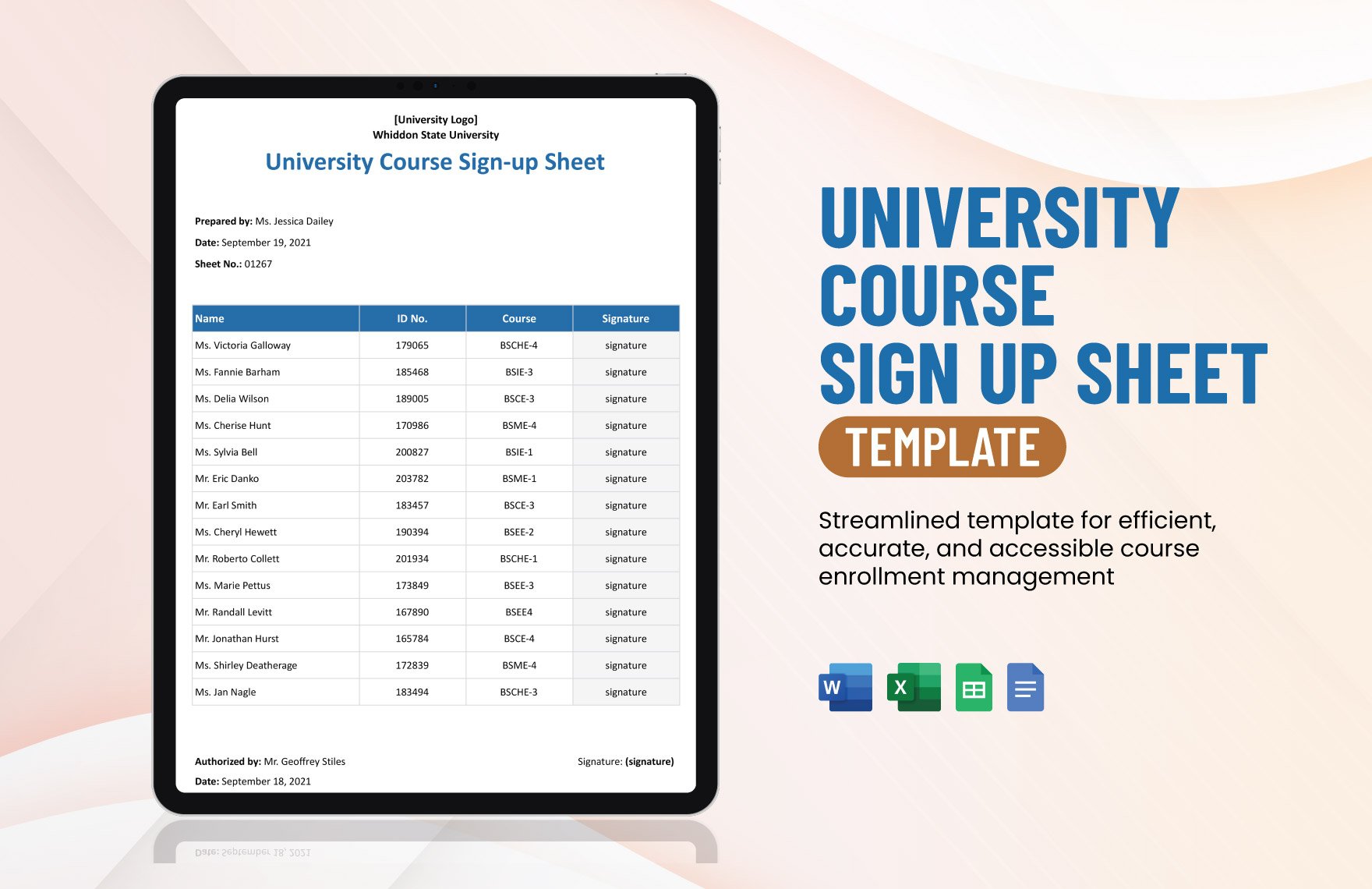
Choosing the Right E-Course Template Online
When it comes to creating an online course, having a well-structured template can make all the difference. An e-course template online can help you organize your content, streamline your design, and ensure a cohesive learning experience for your students. With numerous options available, selecting the right template can be overwhelming. In this article, we'll explore the key considerations and top e-course templates online to help you make an informed decision.
Understanding Your Needs
Before diving into the world of e-course templates, it's essential to understand your specific needs. Consider the type of course you're creating: Is it a comprehensive training program, a short workshop, or a certification course? Who is your target audience? What are their learning goals and preferences? Answering these questions will help you identify the features and functionalities you require in an e-course template.
Key Features of an Effective E-Course Template
An effective e-course template should have the following key features:
Modular design: A modular design allows you to break down your course into manageable chunks, making it easier to create and update content.
Customizable: A customizable template enables you to tailor the design and layout to your brand and course content.
Responsive: A responsive template ensures that your course is accessible and visually appealing across various devices and screen sizes.
Interactive elements: Interactive elements, such as quizzes, gamification, and discussions, can enhance student engagement and motivation.
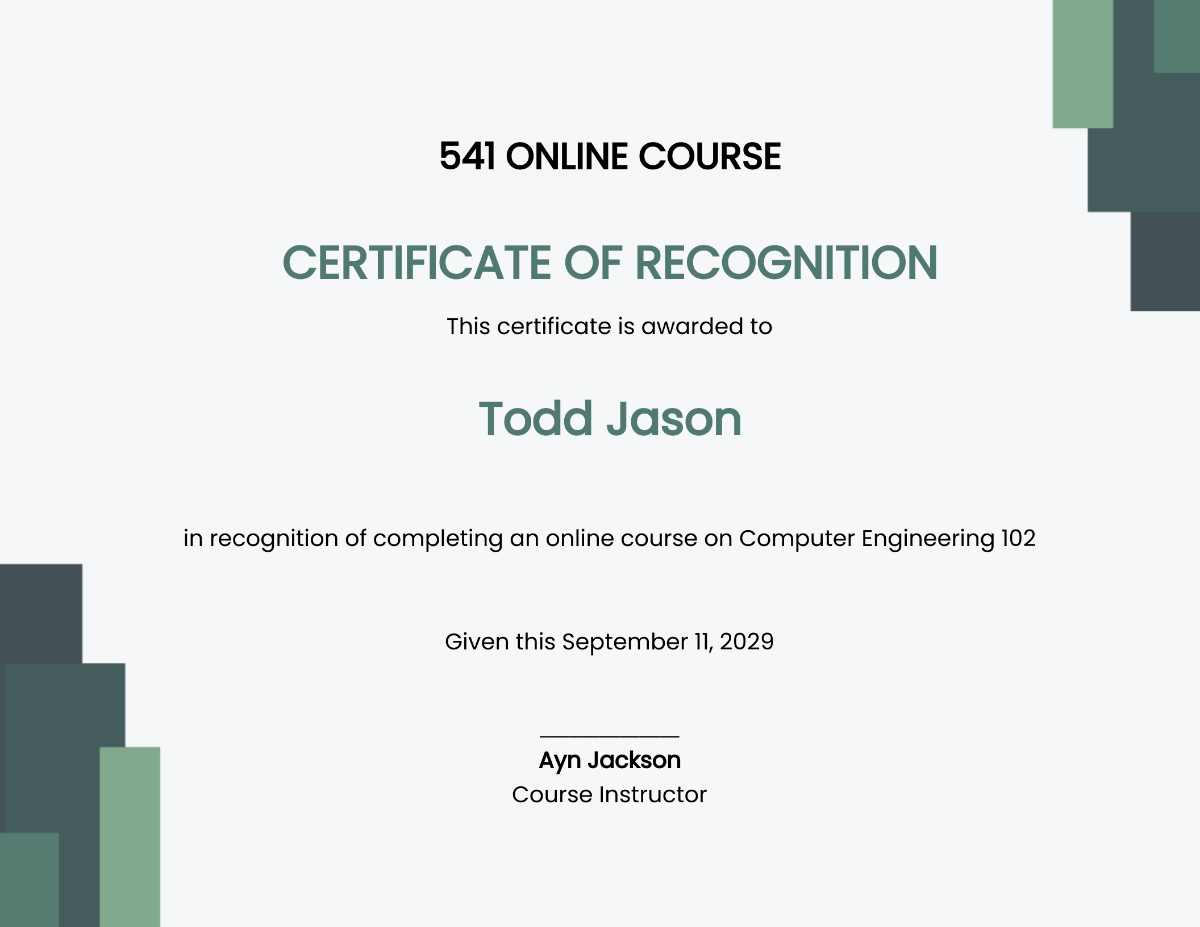
Top E-Course Templates Online
Here are some popular e-course templates online, each with its strengths and weaknesses:
| Template | Description | Pros | Cons |
|---|---|---|---|
| <strong>Articulate Storyline</strong> | A robust e-learning authoring tool with a wide range of templates and features. | Highly customizable, supports multimedia content, and has a large community of users. | Steep learning curve, requires installation on your computer. |
| <strong>Adobe Captivate</strong> | A comprehensive e-learning solution with a variety of templates and a user-friendly interface. | Integrates well with other Adobe products, supports responsive design, and has a robust analytics feature. | Can be expensive, especially for small-scale projects. |
| <strong>Lectora Inspire</strong> | A powerful e-learning authoring tool with a wide range of templates and a collaborative workflow. | Supports multiple formats, has a built-in asset library, and offers a free trial. | Can be overwhelming for beginners, lacks a mobile app. |
| <strong>Google Classroom</strong> | A free, web-based platform for creating and managing online courses. | Integrates well with other Google apps, has a simple and intuitive interface, and is free. | Limited customization options, not suitable for complex courses. |
Practical Considerations
When selecting an e-course template online, consider the following practical factors:
Ease of use: How easy is it to create and edit content? Do you need technical expertise or design experience?
Integration: Does the template integrate with your existing Learning Management System (LMS) or other tools?
Scalability: Can the template handle a large number of students and courses?
Support: What kind of support does the template provider offer, and what are their response times?
Real-World Example: Creating a Course with Articulate Storyline
Let's say you're creating a comprehensive training program for customer service representatives. You choose Articulate Storyline as your e-course template online. With Storyline, you can create interactive content, such as quizzes and simulations, and easily update your course material. You can also customize the template to match your company's branding and ensure a consistent learning experience.
Insight: Balancing Features and Simplicity
When evaluating e-course templates online, it's essential to balance features and simplicity. While a template with numerous features can be tempting, it may overwhelm your students and make the learning experience more complicated. On the other hand, a simple template may not provide enough engagement and interactivity. Consider your students' needs and preferences when making this trade-off.
Trust-Building: Researching the Template Provider
Before investing in an e-course template online, research the provider's reputation and credibility. Look for customer reviews, testimonials, and case studies to ensure you're working with a reliable and experienced partner. A trustworthy provider will offer robust support, regular updates, and a clear roadmap for future development.
Frequently Asked Questions
Q: What is the best e-course template online for beginners?
For beginners, Google Classroom or Articulate Storyline might be a good starting point, as they offer a user-friendly interface and a wide range of features.
Q: Can I use an e-course template online for mobile learning?
Yes, many e-course templates online, such as Adobe Captivate and Lectora Inspire, offer responsive design, making them suitable for mobile learning.
Q: How do I choose the right e-course template for my specific needs?
Consider your course goals, target audience, and required features. Research different templates, and try out demos or free trials to find the best fit.
Q: Can I customize an e-course template online to match my brand?
Most e-course templates online offer customization options, such as color schemes, fonts, and logos. However, the extent of customization varies depending on the template and provider.
Final Section: Creating Engaging Learning Experiences
In conclusion, selecting the right e-course template online is a crucial step in creating engaging and efficient learning experiences. By understanding your needs, evaluating key features, and considering practical factors, you can make an informed decision. Remember to balance features and simplicity, research the template provider, and choose a template that aligns with your brand and course goals. With the right e-course template online, you can create a compelling learning experience that resonates with your students and drives results.
