
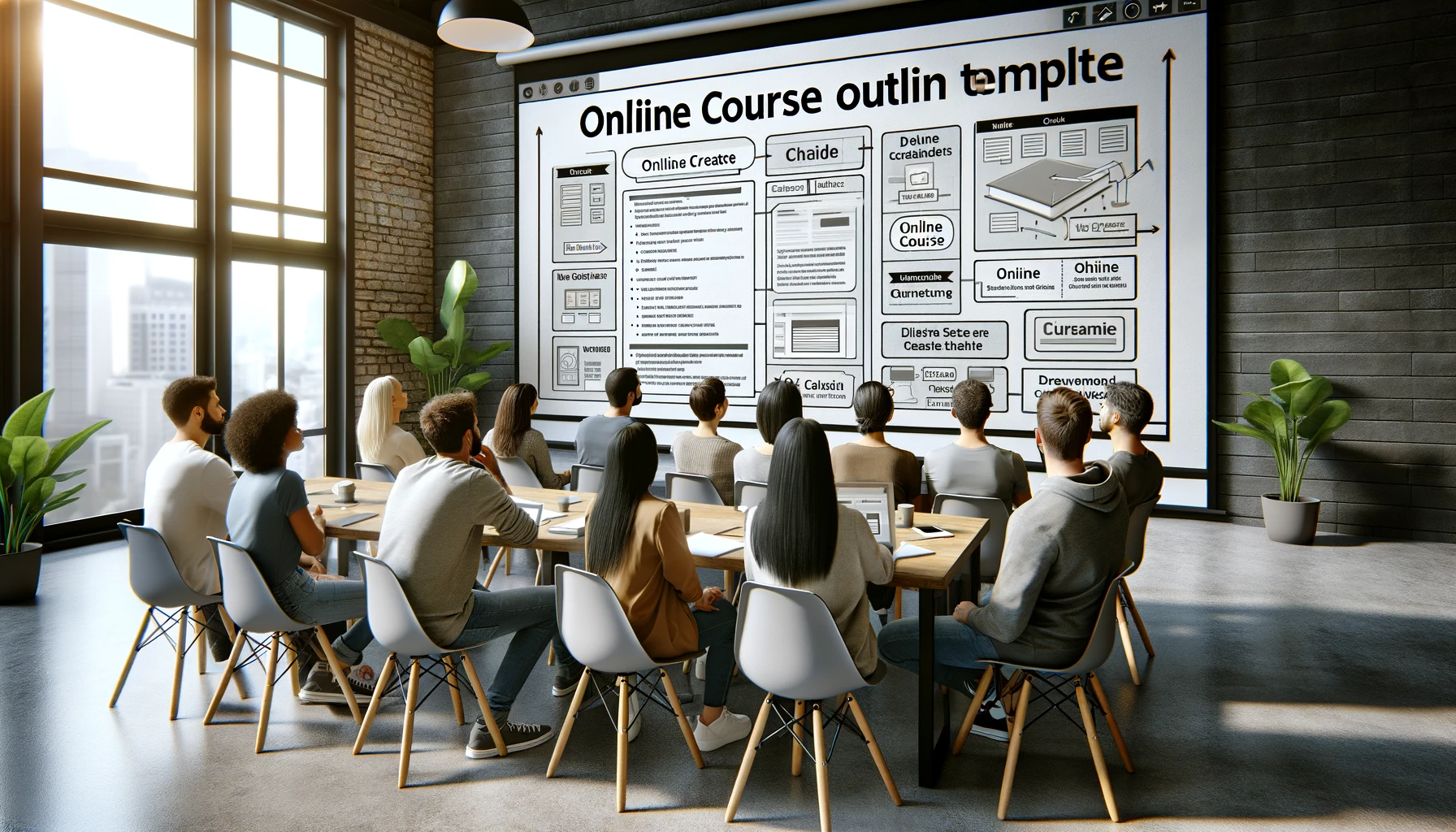
The Foundation of a Successful Online Course
When it comes to creating an online course, the foundation of success lies in meticulous planning. A well-structured course outline serves as the backbone of your educational offering, ensuring that your content is organized, logical, and easy to follow. An effective online course outline template is essential for educators, trainers, and entrepreneurs looking to create engaging and informative learning experiences. In this article, we will explore the importance of a course outline, discuss the key elements of an effective template, and provide practical tips for creating your own.
Understanding the Importance of a Course Outline
A course outline acts as a roadmap for both the instructor and the students. It provides a clear overview of what will be covered, when, and how. This transparency is crucial for setting expectations, fostering engagement, and ensuring that learning objectives are met. A well-crafted outline helps in organizing content in a coherent manner, making it easier for students to grasp complex concepts.
Benefits of a Course Outline
- Enhanced Student Engagement: A clear outline helps students understand the course flow, encouraging them to stay on track and participate actively.
- Improved Content Organization: For instructors, an outline is a tool for ensuring that the course content is logically structured and sequenced.
- Better Time Management: Knowing what needs to be covered and when helps in allocating time effectively, reducing the stress of last-minute preparations.
Key Elements of an Online Course Outline Template
Creating an effective online course outline template involves including several key elements. These elements ensure that your course is comprehensive, engaging, and meets its learning objectives.
1. Course Title and Description
- Course Title: A concise and descriptive title that reflects the course content.
- Course Description: A brief overview that outlines what the course covers and what students can expect to learn.
2. Learning Objectives
Clearly defined learning objectives are crucial. They should specify what students will be able to do or understand by the end of the course. These objectives guide the content creation process and help in measuring the course's success.

3. Course Outline
The course outline should list all the modules or lessons, along with a brief description of each. This section can be structured in a hierarchical manner, breaking down larger topics into smaller, manageable chunks.
4. Assessment and Evaluation
- Assessment Methods: Describe how student learning will be assessed. This could include quizzes, assignments, projects, or exams.
- Evaluation Criteria: Outline how student performance will be evaluated, including grading scales or rubrics.
Choosing the Right Template for Your Needs
There are numerous online course outline templates available, each with its own strengths and weaknesses. The choice of template depends on several factors, including the subject matter, the level of the students, and the preferred learning management system (LMS).
Comparison of Popular Templates
| Template Type | Best for | Features |
|---|---|---|
| Basic Outline | Simple courses, beginners | Simple hierarchy, text-based |
| Interactive Template | Engaging courses, multimedia content | Space for multimedia links, interactive elements |
| Detailed Syllabus | Comprehensive courses, advanced learners | Detailed descriptions, extensive resources |
"The key to a successful online course is not just in the content, but in how it's structured and presented. A well-thought-out course outline template can make all the difference in creating an engaging and effective learning experience." - Instructional Design Expert
Practical Tips for Creating Your Course Outline
- Start with Clear Learning Objectives: Before you begin outlining your course, have a clear understanding of what you want your students to achieve.
- Keep it Flexible: Be open to making changes as you develop your course. Flexibility is key to creating a course that truly meets your students' needs.
- Use Visual Aids: Incorporate diagrams, flowcharts, or mind maps into your outline to visualize the course structure and make it easier to communicate to students.
Common Mistakes to Avoid
- Overloading the Course: Avoid trying to cover too much in one course. This can lead to confusion and decreased engagement.
- Lack of Detail: On the other hand, a too-vague outline can leave students and instructors alike feeling lost.
Frequently Asked Questions
Q: What is the ideal length for an online course?
The ideal length can vary depending on the subject matter and the level of the students. Generally, courses range from a few hours to several weeks.
Q: How do I choose the best template for my online course?
Consider your course content, the experience level of your students, and the features you need (like multimedia integration) when choosing a template.
Q: Can I modify my course outline after the course has started?
Yes, it's okay to make adjustments as needed. Communicate any changes clearly to your students to manage expectations.
Q: How do I ensure my course outline is engaging?
Incorporate interactive elements, use clear and concise language, and ensure the course is well-structured and easy to follow.
Putting It All Together
Creating an effective online course outline template is a critical step in developing a successful online course. By understanding the importance of a course outline, incorporating key elements, choosing the right template, and following practical tips, educators and entrepreneurs can create engaging and informative learning experiences. Remember, the goal is to enhance learning and foster engagement. With a well-crafted course outline, you're well on your way to achieving these objectives.
Final Steps and Next Actions
As you move forward with creating your online course, take the time to review and refine your course outline. Seek feedback from peers or potential students to ensure your course meets their needs and expectations. With careful planning and a focus on student engagement, your online course can be a valuable resource for learners everywhere.
