
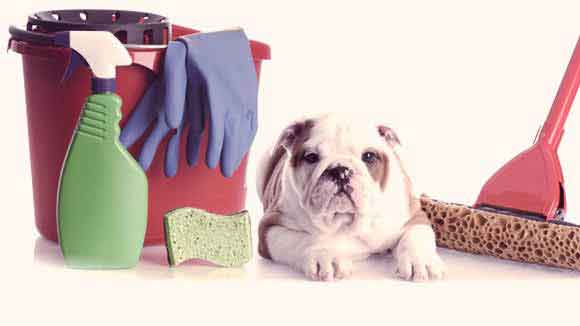
As any pet owner knows, bringing a new furry friend into your home can be a life-changing experience. The joy, companionship, and love they bring are immeasurable. However, with great pet parenthood comes great responsibility. Ensuring your household pet is happy, healthy, and well-cared for requires attention to several key areas. From nutrition and grooming to safety and training, here are five useful things to know about household pet care tips.
Choosing the Right Nutrition for Your Pet
Feeding your pet the right food is crucial for their overall health and well-being. With so many options available, it can be overwhelming to decide on the best food for your furry friend. Here are a few things to consider:
Life stage: Different life stages require different nutritional needs. For example, puppies and kittens require more protein and calories than adult dogs and cats.
Dietary needs: Some pets have specific dietary needs, such as food allergies or sensitivities. Consult with your veterinarian to determine the best food for your pet.
Quality of ingredients: Look for high-quality ingredients, such as named protein sources (e.g., chicken, salmon) and whole grains.
Some pet owners swear by raw or homemade diets, while others prefer commercial pet food. Ultimately, the best food for your pet will depend on their individual needs and health status.
The Importance of Grooming and Hygiene
Grooming is not just about keeping your pet looking their best; it's also essential for their health and hygiene. Regular grooming can help:
Reduce shedding: Regular brushing can reduce shedding and prevent hairballs.
Prevent skin issues: Grooming can help prevent skin issues, such as matting and tangling, which can lead to skin irritation and infection.
Detect health issues: Grooming is a great opportunity to detect any potential health issues, such as fleas, ticks, or skin lesions.
The frequency and type of grooming will depend on your pet's individual needs. For example, dogs with long hair may require daily brushing, while short-haired dogs may only need occasional brushing.

Creating a Safe Environment for Your Pet
Creating a safe environment for your pet is crucial to preventing accidents and injuries. Here are a few things to consider:
Toxic substances: Keep toxic substances, such as cleaning supplies and medications, out of reach.
Electrical cords: Keep electrical cords and wires out of reach to prevent chewing and electrical shock.
Secure toxic plants: Keep toxic plants, such as lilies and snake plants, out of reach to prevent poisoning.
By taking a few simple precautions, you can create a safe and welcoming environment for your pet.
Training and Socialization
Training and socialization are essential for your pet's behavioral and emotional well-being. Here are a few things to consider:
Basic obedience: Teach basic obedience commands, such as "sit," "stay," and "come," to help with communication and boundary setting.
Socialization: Socialize your pet with people, other animals, and new environments to help them become confident and calm.
Positive reinforcement: Use positive reinforcement techniques, such as treats and praise, to encourage good behavior.
By investing time and effort into training and socialization, you can help your pet become a well-behaved and well-adjusted member of your family.
Common Health Issues and How to Prevent Them
As a pet owner, it's essential to be aware of common health issues that can affect your furry friend. Here are a few things to consider:
Dental health: Regular dental care can help prevent dental issues, such as tartar buildup and gum disease.
Parasite control: Regular parasite control measures, such as flea and tick prevention, can help prevent infestations.
- Vaccinations: Stay up-to-date on vaccinations and preventative care to protect your pet from serious diseases.
By being aware of these common health issues and taking preventative measures, you can help keep your pet healthy and happy.
Comparison of Pet Nutrition Options
| <strong>Nutrition Option</strong> | <strong>Pros</strong> | <strong>Cons</strong> |
|---|---|---|
| Commercial Pet Food | Convenient, affordable, nutritionally balanced | May contain low-quality ingredients, preservatives |
| Raw or Homemade Diet | Can be tailored to individual needs, may improve health | Requires research, planning, and veterinary consultation |
| Limited Ingredient Diet | May be beneficial for pets with food allergies or sensitivities | May be expensive, limited nutritional options |
"The best thing you can do for your pet is to educate yourself. Learn about their needs, their behavior, and their health. By doing so, you'll be able to provide the best possible care for your furry friend." - Dr. Jane Smith, Veterinarian
Frequently Asked Questions
Q: How often should I groom my pet?
The frequency of grooming depends on your pet's individual needs. For example, dogs with long hair may require daily brushing, while short-haired dogs may only need occasional brushing.
Q: What are some common household hazards for pets?
Common household hazards for pets include toxic substances, electrical cords, and toxic plants. Take steps to secure these hazards to prevent accidents and injuries.
Q: How can I prevent dental issues in my pet?
Regular dental care, such as brushing and veterinary cleanings, can help prevent dental issues.
Closing
Caring for a household pet is a significant responsibility, but with the right knowledge and attention, it can be an incredibly rewarding experience. By choosing the right nutrition, prioritizing grooming and hygiene, creating a safe environment, investing in training and socialization, and being aware of common health issues, you can help your furry friend thrive. Remember to always consult with your veterinarian for personalized advice and guidance. With love, care, and attention, you can build a happy and healthy life with your pet.
Related: What to Know About Autumn Pet Care Tips
Related: A Practical Guide to Starling Pet Care Tips
Related: How to Master Basic Pet Care Without the Hassle
Related: Easy Meal Prep Ideas for Beginners to Save Time and Eat
