
Getting started with meal prep can feel overwhelming, especially when you're new to cooking or short on time. But with a few simple strategies and some basic planning, you can make healthy eating a breeze. As someone who's likely no stranger to the chaos of daily life, you're probably aware that cooking meals from scratch every day is a luxury few can afford. That's where meal prep comes in – a game-free way to take control of your diet and schedule.
What is Meal Prep, Anyway?
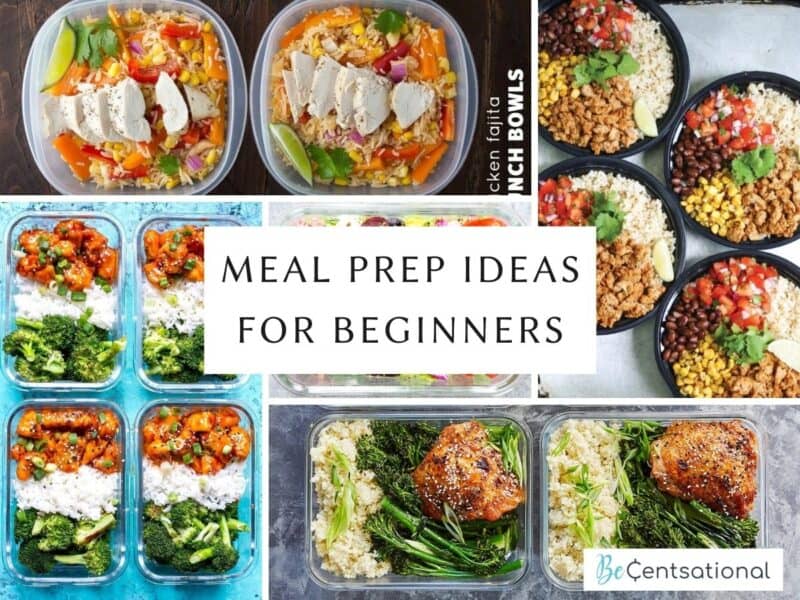
Meal prep is the process of planning, shopping, cooking, and portioning out your meals in advance. This can be as simple as cooking a big batch of rice and roasting some vegetables on the weekend, or as complex as making a week's worth of intricate meals from scratch. For beginners, the key is to start small and focus on making sustainable changes that you can stick to in the long term.Benefits of Meal Prep for Beginners
One of the biggest advantages of meal prep is the amount of time it can save you during the week. When you've got a fridge full of pre-cooked meals, you're less likely to rely on takeout or fast food. Plus, meal prep can help you eat healthier, save money, and reduce food waste. Here are just a few benefits to consider: Save time: With meal prep, you can cook a big batch of food on the weekend and reheat it throughout the week. This can save you up to an hour per day on cooking time.
Eat healthier: When you've got healthy meals prepped and ready to go, you're more likely to make healthy choices.
Save money: Meal prep can help you avoid last-minute takeout or dining out, which can save you money and reduce your food budget.
Simple Meal Prep Ideas for Beginners
So, where do you start with meal prep? Here are a few simple ideas to get you started: Overnight oats: Mix together rolled oats, milk, and your choice of toppings (such as fruit, nuts, or seeds) in a jar or container. Refrigerate overnight and enjoy in the morning.
Salad jars: Layer mixed greens, vegetables, and protein (such as grilled chicken or tofu) in a jar. Add a simple vinaigrette and refrigerate for up to 3 days.
Soup: Cook a big batch of soup on the weekend and portion it out into individual containers. Refrigerate or freeze for up to 5 days.
Meal Planning for Beginners
Meal planning is a crucial part of meal prep. Here are a few tips to help you plan your meals like a pro: Start with a template: Use a meal planning template or app to help you organize your meals and make a grocery list.
Plan around your schedule: Consider your schedule and plan meals that fit your lifestyle. If you're busy on weeknights, plan simple meals that can be reheated.
Keep it simple: Don't feel like you need to make complex meals. Simple meals like salads, soups, and stir-fries can be just as delicious and nutritious.
Common Meal Prep Mistakes to Avoid
As a beginner, it's easy to get caught up in the excitement of meal prep and make a few rookie mistakes. Here are a few common mistakes to avoid: Overcooking: Don't overcook your meals, as this can lead to dry, flavorless food.
Not labeling: Be sure to label your containers with the date and contents, so you know what you're eating and how long it's been stored.
Not reheating safely: When reheating meals, make sure to heat them to a safe temperature (165°F) to avoid foodborne illness.
FAQs About Meal Prep for Beginners
Q: How long does meal prep take?
Meal prep can take anywhere from 30 minutes to several hours, depending on the complexity of your meals and your level of experience.
Q: What are some healthy meal prep ideas?
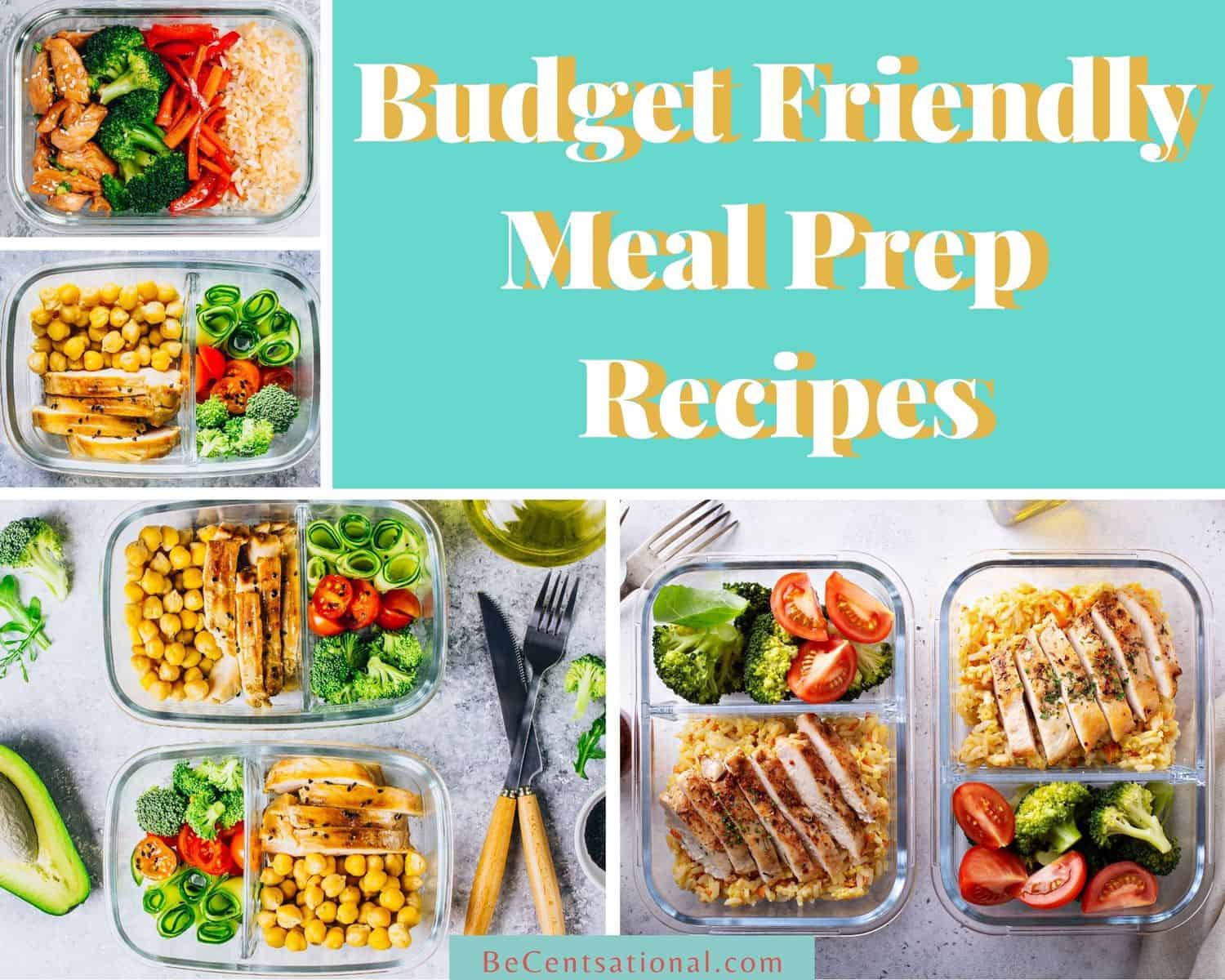
Healthy meal prep ideas include salads, soups, stir-fries, and roasted vegetables. Consider incorporating lean protein sources, whole grains, and a variety of colorful vegetables.
Q: Can I meal prep if I'm a picky eater?
Absolutely! Meal prep is all about making food that you enjoy, so don't be afraid to get creative and experiment with different recipes.
Q: How do I store my meal prep containers?
Store your meal prep containers in airtight containers in the refrigerator or freezer, and be sure to label them with the date and contents.
Final Tips and Encouragement
Meal prep is a journey, not a destination. Don't be too hard on yourself if you miss a day or two – simply get back on track and keep moving forward. With a little practice and patience, you'll be a meal prep pro in no time. And remember, the goal of meal prep is to make healthy eating easier and more sustainable, not to add stress to your life. So take a deep breath, get creative, and have fun with it!Here is a Quick Comparison of popular meal prep containers:
| Container Type | Pros | Cons |
|---|---|---|
| Glass Containers | Durable, non-toxic, easy to clean | Heavy, expensive |
| Plastic Containers | Lightweight, affordable, easy to store | May contain BPA, less durable |
| Mason Jars | Affordable, versatile, easy to clean | Limited storage capacity, may not be airtight |
Choose the container type that best fits your needs and preferences, and don't be afraid to experiment with different options until you find what works best for you.
