
As any pet owner knows, caring for a furry friend is a big responsibility. From feeding and walking to providing a safe and loving environment, there's a lot to consider when it comes to pet care. While there are many great pet care services and products available, there's no substitute for good old-fashioned common sense and attention to your pet's needs. In this article, we'll explore five useful things to know about pet care tips at home, helping you to provide the best possible life for your beloved companion.
Nutrition and Feeding
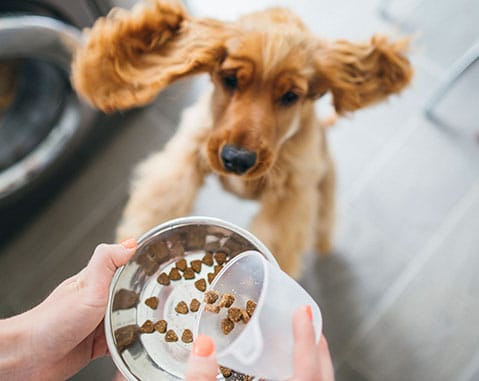
When it comes to feeding your pet, it's easy to get caught up in the latest trends and fashions. But the truth is, every pet is different, and what works for one may not work for another. The key is to find a high-quality food that meets your pet's nutritional needs, and to feed them in a way that's healthy and sustainable. Here are a few things to keep in mind:
Read the labels: When choosing a pet food, make sure to read the labels carefully. Look for foods that are high in protein and low in fillers and by-products.
Consider your pet's life stage: Different pets have different nutritional needs at different stages of their lives. For example, puppies need more protein and calories than adult dogs, while senior pets may need fewer calories and more joint support.
Don't overfeed: It's easy to get carried away with treats and snacks, but overfeeding can lead to obesity and a range of other health problems. Make sure to measure out your pet's food carefully, and limit treats to no more than 10% of their daily calorie intake.
Grooming and Hygiene
Grooming is an essential part of pet care, helping to keep your pet clean, comfortable, and healthy. Here are a few things to keep in mind:
Brush, brush, brush: Regular brushing can help to reduce shedding, prevent matting, and distribute skin oils. It's also a great way to bond with your pet and check for any signs of skin problems or fleas.
Clean those ears: Dirty ears can lead to infections and discomfort. Make sure to clean your pet's ears regularly, using a gentle ear cleaner and cotton balls.
Don't forget the teeth: Dental care is essential for pets, just like it is for humans. Make sure to brush your pet's teeth regularly, using a pet-specific toothpaste and toothbrush.
Safety and Proofing
As any pet owner knows, pets can be curious and accident-prone. Here are a few things you can do to pet-proof your home and keep your furry friend safe:
Secure toxic substances: Make sure to keep toxic substances like cleaning supplies, medications, and toxic foods out of reach.
Block off electrical cords: Electrical cords can be a hazard for pets, who may chew on them or get tangled up. Make sure to block off cords with cord protectors or conceal them behind furniture.
Watch for choking hazards: Small objects like coins, batteries, and marbles can be a choking hazard for pets. Make sure to keep them out of reach.

Emotional Well-being
Just like humans, pets have emotional needs that need to be met. Here are a few things you can do to support your pet's emotional well-being:
Spend quality time: Spending quality time with your pet can help to reduce stress and anxiety. Try activities like walking, playing, or simply cuddling.
Provide mental stimulation: Pets need mental stimulation to stay happy and healthy. Try providing puzzle toys, scent games, or obedience training.
Watch for signs of stress: Pets can exhibit stress in a range of ways, from panting and pacing to destructive behavior. Make sure to watch for signs of stress, and take steps to address them.
Common Mistakes to Avoid
When it comes to pet care, it's easy to make mistakes. Here are a few common ones to avoid:
Not providing enough exercise: Pets need exercise to stay healthy and happy. Make sure to provide regular walks, runs, or playtime.
Not keeping up with veterinary care: Regular veterinary care is essential for pets, helping to prevent and detect health problems. Make sure to keep up with vaccinations, check-ups, and preventatives.
Not providing enough attention: Pets need attention and interaction to stay happy and healthy. Make sure to spend quality time with your pet, and provide mental stimulation and exercise.
Quick Comparison: Pet Care Mistakes
| Mistake | Consequences | Solution |
|---|---|---|
| Not providing enough exercise | Obesity, behavioral problems | Regular walks, runs, or playtime |
| Not keeping up with veterinary care | Health problems, decreased quality of life | Regular vaccinations, check-ups, and preventatives |
| Not providing enough attention | Behavioral problems, stress | Quality time, mental stimulation, and exercise |
Frequently Asked Questions
Here are a few frequently asked questions about pet care:
Q: How often should I bathe my pet?
The frequency of bathing will depend on your pet's individual needs and lifestyle. For example, dogs who spend a lot of time outdoors may need to be bathed more frequently than those who stay indoors.
Q: What are some common toxic foods for pets?
Common toxic foods for pets include chocolate, grapes, and onions. Make sure to keep these foods out of reach, and consult with your veterinarian if you suspect your pet has ingested something toxic.
Q: How can I help my pet with anxiety?
There are a range of things you can do to help your pet with anxiety, from providing a calm and comfortable environment to using pheromone therapy or calming aids. Consult with your veterinarian for personalized advice.
Closing
Caring for a pet is a big responsibility, but it's also incredibly rewarding. By following these pet care tips, you can help to provide a happy, healthy, and fulfilling life for your furry friend. Remember to stay informed, stay vigilant, and always put your pet's needs first. With a little bit of love, care, and attention, you can help your pet thrive and enjoy a long and happy life by your side.
Related: 5 Useful Things to Know About Cheap Final Exam Study Tips
