
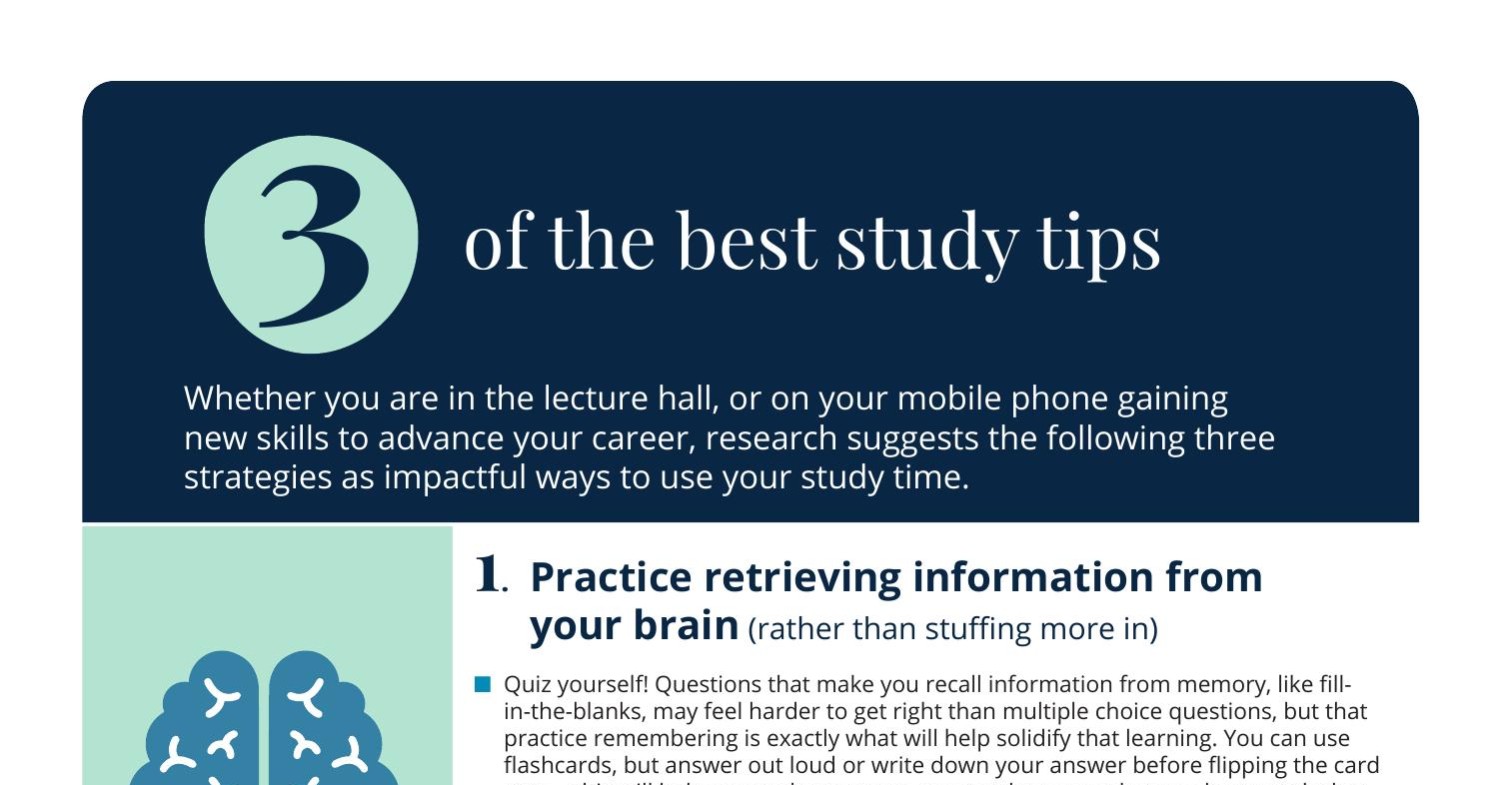
As an adult learner, you're likely no stranger to juggling multiple responsibilities. Between work, family, and other obligations, it can be challenging to find time for learning. However, with the right strategies, you can achieve your educational goals and enhance your skills.
Understanding Your Learning Style
Before diving into study tips, it's essential to understand your learning style. As an adult learner, you may have a different learning approach than younger students. You might be more self-directed, motivated by specific goals, and have a stronger sense of responsibility. Recognizing your learning style will help you tailor your study approach to suit your needs.
Adult learners often benefit from a more flexible and autonomous learning approach. You might prefer to learn at your own pace, set specific goals, and focus on practical applications. Understanding your learning style will enable you to make the most of your study time and stay motivated.
Time Management for Adult Learners
Effective time management is crucial for adult learners. You need to balance your study schedule with work, family, and other commitments. Here are some time management tips to help you succeed:
Create a study schedule: Plan out dedicated study time and stick to it.
Set realistic goals: Break down larger goals into smaller, achievable tasks.
Prioritize: Focus on the most critical tasks and allocate your time accordingly.
Use productivity tools: Explore different tools, such as calendars, apps, or planners, to find what works best for you.

Time Management Comparison
| Tool | Description | Benefits |
|---|---|---|
| Calendar | Schedule study time and set reminders | Visualize your study plan, stay organized |
| Apps | Track study time, set goals, and receive notifications | Accessible, flexible, and customizable |
| Planners | Write down study schedule and goals | Tactile, helps with organization and goal setting |
Goal Setting for Success
Goal setting is vital for adult learners. Clear goals help you stay focused, motivated, and directed. When setting goals, consider the following:
Make your goals specific: Clearly define what you want to achieve.
Set achievable goals: Break down larger goals into smaller, manageable tasks.
Create an action plan: Outline the steps needed to achieve your goals.
Goal Setting Example
Suppose you want to learn a new programming language. Your goal might be to:
Complete an online course within six months
Practice coding for 30 minutes, three times a week
Work on a project to apply your new skills
Leveraging Technology for Learning
Technology can be a powerful tool for adult learners. Online resources, educational apps, and digital libraries can enhance your learning experience. Consider the following:
Online courses: Explore platforms like Coursera, Udemy, or edX for flexible learning.
Educational apps: Utilize apps like Duolingo, Khan Academy, or LinkedIn Learning for on-the-go learning.
Digital libraries: Access e-books, articles, and research papers through online libraries.
Recommended Online Resources
Coursera: Offers a wide range of courses from top universities
Udemy: Provides courses on various topics, with a focus on practical skills
edX: Features courses and certifications from leading institutions
Overcoming Challenges and Staying Motivated
As an adult learner, you may face unique challenges, such as balancing study time with work and family responsibilities. To overcome these challenges, consider the following:
Create a support network: Connect with fellow learners, friends, or family members for encouragement.
Celebrate milestones: Acknowledge your progress and achievements.
Stay flexible: Be willing to adjust your study plan if needed.
Motivation Tips
Reward yourself: Set small rewards for achieving milestones.
Find a study buddy: Collaborate with someone who shares similar goals.
Track progress: Use a journal or spreadsheet to monitor your progress.
Frequently Asked Questions
Q: How do I balance study time with work and family responsibilities?
Create a study schedule, prioritize tasks, and communicate with your family and employer about your goals.
Q: What are some effective study techniques for adult learners?
Experiment with different techniques, such as the Pomodoro Technique, active recall, or summarization, to find what works best for you.
Q: How can I stay motivated as an adult learner?
Celebrate milestones, create a support network, and remind yourself of your goals and reasons for learning.
Q: What are some recommended resources for adult learners?
Explore online courses, educational apps, and digital libraries to find resources that suit your learning style.
Conclusion
As an adult learner, you face unique challenges, but with the right strategies, you can achieve your educational goals. By understanding your learning style, managing your time effectively, setting clear goals, leveraging technology, and staying motivated, you'll be well on your way to success. Remember to stay flexible, celebrate your progress, and seek support when needed. With persistence and dedication, you can enhance your skills, advance your career, and achieve your personal goals.
