
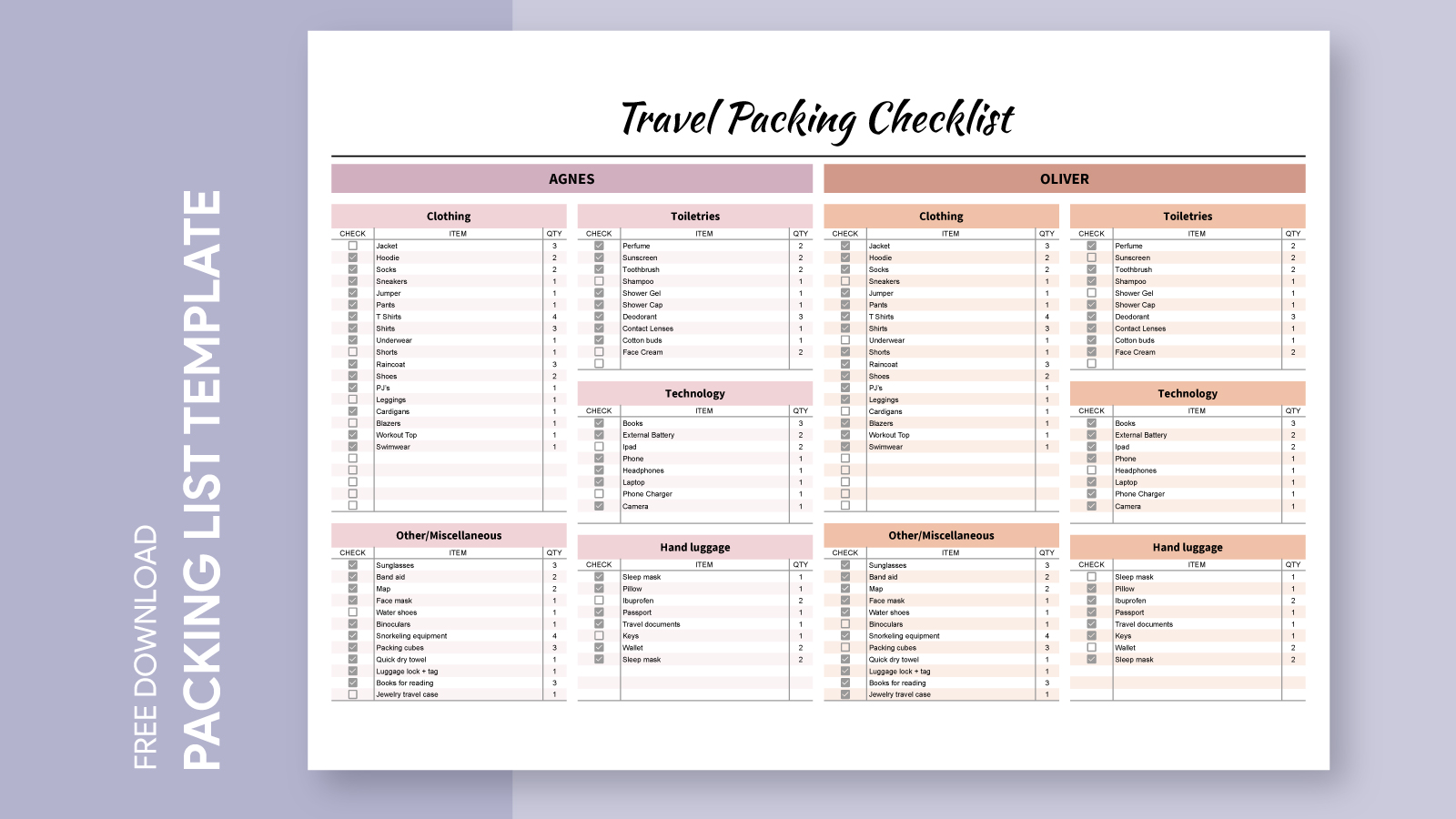
Packing for a trip can be a daunting task
When it comes to traveling, one of the most stressful parts is packing. You want to make sure you have everything you need, but you also don't want to overpack and be lugging around a heavy suitcase. And if you're on a budget, you might be looking for ways to pack without spending a lot of money on fancy packing products or apps.
What is a travel checklist and do I need one?
A travel checklist is essentially a list of things you should pack and consider before embarking on a trip. It can help ensure you don't forget anything important and that you're prepared for your journey. But do you really need one? The answer is yes. A travel checklist can help you stay organized, reduce stress, and even save you money by avoiding last-minute purchases or lost luggage.
How to create a free travel checklist
Creating a free travel checklist is easier than you think. Here are a few options:
Use a pre-made template: There are many free travel checklist templates available online that you can download and customize to fit your needs. You can find templates in Google Docs, Microsoft Word, or even as a printable PDF.
Make your own list: Take some time to think about what you need to pack for your trip. Consider the weather, activities, and cultural norms of your destination. Write down everything you can think of, and then narrow it down to the essentials.
Use a packing app: There are many packing apps available that can help you create a customized packing list. Some popular options include PackPoint, Travel List, and Packing List.
What to include in your travel checklist
So what should you include in your travel checklist? Here are a few essentials to get you started:
Clothing: Pack enough clothing for the duration of your trip, considering the activities you have planned and the dress code required. Don't forget to include undergarments, socks, and a change of clothes in case of unexpected delays.
Toiletries: Pack a toiletry bag with essentials like toothbrush, toothpaste, shampoo, conditioner, and any medications you may need.
Electronics: Don't forget your phone, laptop, and charger. If you're traveling internationally, you may also need a universal power adapter.
Travel documents: Make sure you have a valid passport, visa (if required), and travel insurance documents.

Packing strategies for efficient travel
Now that you have your travel checklist, it's time to think about packing strategies. Here are a few tips to help you pack more efficiently:
Roll your clothes: Rolling your clothes instead of folding them can help reduce wrinkles and save space in your luggage.
Use packing cubes: Packing cubes can help you organize your luggage and find what you need quickly. They can also help you compress your clothing to make the most of your luggage space.
Pack multipurpose items: Pack items that can serve multiple purposes, such as a scarf that can be used as a blanket or a dressy accessory.
The benefits and drawbacks of minimalist packing
Minimalist packing has become increasingly popular in recent years, with many travelers opting to pack only the essentials. But is it right for you? Here are a few benefits and drawbacks to consider:
Benefits:
Less luggage to worry about: With minimalist packing, you'll have less luggage to worry about, which can make traveling easier and less stressful.
More flexibility: With fewer bags to check, you'll have more flexibility to move around and make changes to your itinerary.
Less to clean: With fewer clothes to wash and dry, you'll have less to clean and maintain.
Drawbacks:
Limited options: With minimalist packing, you may feel like you have limited options for what to wear, which can be frustrating if you're traveling for an extended period.
More laundry: Depending on your itinerary, you may need to do more laundry, which can be time-consuming and expensive.
How to pack for free
If you're on a tight budget, you may be wondering how to pack for free. Here are a few tips:
Use what you already have: Before you start shopping for packing products, take stock of what you already have at home. You may have items like packing cubes, reusable bags, or even a luggage scale that you can use.
Borrow from friends: If you have friends who travel frequently, you may be able to borrow packing products from them.
Look for free resources: There are many free resources available online that can help you pack more efficiently, such as packing lists, tutorials, and travel blogs.
Packing for specific types of trips
The type of trip you're taking can greatly impact what you need to pack. Here are a few specific packing lists to consider:
Backpacking: If you're going backpacking, you'll want to pack light and prioritize essentials like a tent, sleeping bag, and camping stove.
Business trip: If you're traveling for business, you'll want to pack professional clothing and any necessary documents or equipment.
Beach vacation: If you're heading to the beach, don't forget to pack sunscreen, a swimsuit, and a beach towel.
Common packing mistakes to avoid
Here are a few common packing mistakes to avoid:
Overpacking: One of the most common packing mistakes is overpacking. Try to pack only what you need, and consider the activities you have planned and the dress code required.
Not checking the weather: Make sure to check the weather forecast before your trip and pack accordingly.
Forgetting important documents: Make sure to pack important documents like your passport, visa (if required), and travel insurance documents.
Frequently Asked Questions
Q: What is the best way to pack for a trip?
The best way to pack for a trip is to create a packing list and prioritize essentials. Consider the activities you have planned, the dress code required, and the weather forecast.
Q: How do I pack light?
To pack light, consider rolling your clothes, using packing cubes, and packing multipurpose items. You should also prioritize essentials and avoid overpacking.
Q: What are some common packing mistakes?
Some common packing mistakes include overpacking, not checking the weather, and forgetting important documents.
Q: How can I pack for free?
To pack for free, consider using what you already have at home, borrowing from friends, and looking for free resources online.
Final tips and recommendations
Packing for a trip doesn't have to be stressful or expensive. By creating a travel checklist, using packing strategies, and avoiding common packing mistakes, you can pack more efficiently and effectively. And with a little creativity, you can even pack for free. Happy travels.
