
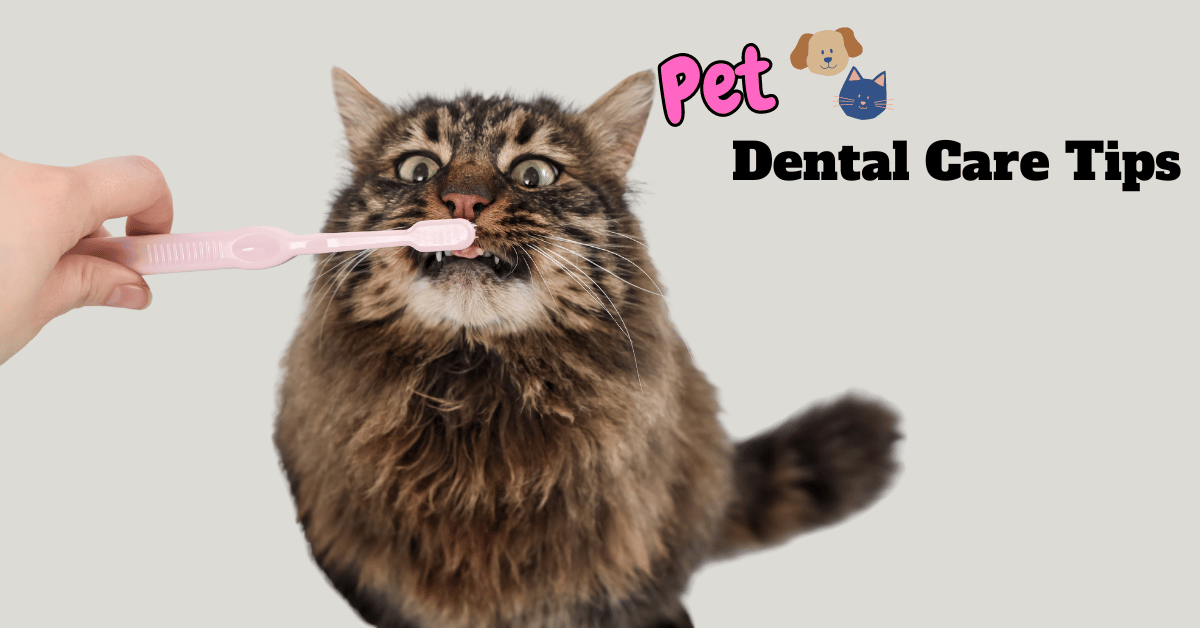
As any pet owner knows, keeping your furry friend healthy and happy can be a costly endeavor. Dental care, in particular, is an essential aspect of pet health that can often be overlooked due to financial constraints. However, neglecting your pet's dental health can lead to severe consequences, including painful infections, tooth loss, and even heart disease. The good news is that providing cheap dental pet care is not an oxymoron. With a little creativity and knowledge, you can keep your pet's teeth clean and healthy without breaking the bank.
Understanding the Importance of Pet Dental Care
Before we dive into the affordable tips and tricks, it's essential to understand why dental care is so crucial for your pet. Just like humans, pets can develop plaque, tartar, and cavities if their teeth are not properly cared for. This can lead to bad breath, painful gum infections, and even affect their overall health. For instance, research has shown that there is a significant link between gum disease and heart disease in pets. The bacteria that cause gum disease can enter the bloodstream and affect the heart, making regular dental care a vital part of your pet's health regimen.
Low-Cost Dental Care Tips for Your Pet
Providing cheap dental pet care doesn't have to mean sacrificing quality. Here are some practical and affordable tips to get you started:
- Brush Their Teeth Regularly: Yes, you read that right. Brushing your pet's teeth is one of the most effective ways to prevent dental problems. While it may seem daunting at first, with a little patience and the right technique, your pet will get used to it. Use a pet-specific toothbrush and toothpaste (human toothpaste is not suitable for pets), and aim to brush their teeth 2-3 times a week.
- Provide Dental Chews and Toys: Dental chews and toys are designed to help remove plaque and tartar from your pet's teeth, reducing the risk of dental problems. Look for products that carry the Veterinary Oral Health Council (VOHC) seal of approval, which indicates that they meet certain standards for dental health.
- Feed a Dental Diet: Some pet foods are specifically designed to help reduce plaque and tartar. These foods often have a unique texture or contain ingredients that help clean your pet's teeth as they eat. While they may be more expensive than regular pet food, they can be a cost-effective way to promote dental health in the long run.
Comparison of Dental Care Options
| <strong>Option</strong> | <strong>Cost</strong> | <strong>Effectiveness</strong> | <strong>Ease of Use</strong> |
|---|---|---|---|
| Brushing Teeth | $5-10 (toothbrush and toothpaste) | High | Medium |
| Dental Chews | $5-10 per month | Medium-High | High |
| Dental Diet | $30-50 per month | Medium | High |
Pros and Cons of Cheap Dental Pet Care Options
When it comes to choosing the right dental care option for your pet, it's essential to weigh the pros and cons. Here are some points to consider:

Brushing Your Pet's Teeth
- Pros: Highly effective, low cost, strengthens bond with pet
- Cons: Requires patience, some pets may resist
Dental Chews and Toys
- Pros: Easy to use, variety of options, helps reduce plaque and tartar
- Cons: May not be suitable for all pets, can be expensive in the long run
Dental Diet
- Pros: Convenient, helps reduce plaque and tartar, can be cost-effective
- Cons: More expensive than regular pet food, may not be suitable for all pets
Finding Affordable Dental Care for Your Pet
If you're looking for more extensive dental care for your pet, there are ways to find affordable options:
- Local Animal Shelters and Clinics: Many animal shelters and clinics offer low-cost dental care services, including cleanings and extractions.
- Veterinary Schools: Veterinary schools often have clinics that offer low-cost dental care services as part of their teaching programs.
- Non-Profit Organizations: Some non-profit organizations provide affordable dental care for pets, including free or low-cost cleanings and surgeries.
Building Trust with Your Veterinarian
When it comes to your pet's health, it's essential to have a good relationship with your veterinarian. Here are some tips for building trust:
- Be Open and Honest: Share your concerns and ask questions about your pet's dental health.
- Follow Their Advice: Your veterinarian has your pet's best interests at heart, so follow their advice on dental care.
- Ask About Financing Options: Some veterinarians offer financing options or payment plans for dental care services.
Frequently Asked Questions
Q: How often should I brush my pet's teeth?
Aim to brush your pet's teeth 2-3 times a week, or as recommended by your veterinarian.
Q: Are dental chews safe for my pet?
Yes, dental chews are safe for most pets, but be sure to choose products that carry the VOHC seal of approval and follow the manufacturer's instructions.
Q: Can I use human toothpaste to brush my pet's teeth?
No, human toothpaste is not suitable for pets. Use a pet-specific toothbrush and toothpaste.
Q: How can I tell if my pet has a dental problem?
Look for signs such as bad breath, yellow or brown teeth, and changes in appetite or behavior. Consult your veterinarian if you suspect a dental problem.
Final Tips for Cheap Dental Pet Care
Providing cheap dental pet care requires a little creativity and knowledge, but it's worth it to keep your furry friend healthy and happy. Remember to brush their teeth regularly, provide dental chews and toys, and consider a dental diet. Don't be afraid to reach out to local animal shelters, clinics, and non-profit organizations for affordable dental care options. By following these tips and building trust with your veterinarian, you can ensure your pet receives the dental care they need without breaking the bank.
Related: Cheap Healthy Meal Prep Ideas: What Actually Makes Sense?
Related: A Practical Guide to Creating a Free Printable Workout Plan
