

Getting Started with the Right Foundation
When creating an online course website, the first step is often the most crucial. You need a solid foundation that not only showcases your courses effectively but also provides a seamless user experience. This is where choosing the right website template comes into play. A well-designed template can make all the difference in attracting and retaining students. In this guide, we'll walk you through the key considerations and steps to select the perfect website template for your online courses.
Understanding Your Needs
Before diving into the vast sea of website templates, it's essential to have a clear understanding of your needs. What type of courses are you offering? Who is your target audience? What are your primary goals for the website? For instance, if you're offering professional certification courses, you might prioritize a template that easily showcases credentials and testimonials. On the other hand, if you're in the creative field, a template with a portfolio-style layout could be more suitable.
Consider the following:
- Course complexity: Are your courses simple and straightforward, or do they involve multiple modules and lessons?
- User engagement: How do you plan to engage with your students? Will you offer forums, live sessions, or direct messaging?
- Content presentation: How will you present your course content? Will it include video, text, quizzes, and assignments?
Key Features to Look for in a Template
Not all website templates are created equal, especially when it comes to hosting online courses. Here are some key features to look for:
- Learning Management System (LMS) integration: Ensure the template supports integration with popular LMS platforms like Moodle, Teachable, or LearnDash.
- Responsive design: With the majority of users accessing websites through mobile devices, a responsive design is crucial.
- Customization options: Your template should offer easy customization options to align with your brand.
- Course layout and organization: Look for templates specifically designed for courses, with features like course catalogs, lesson organizers, and easy navigation.
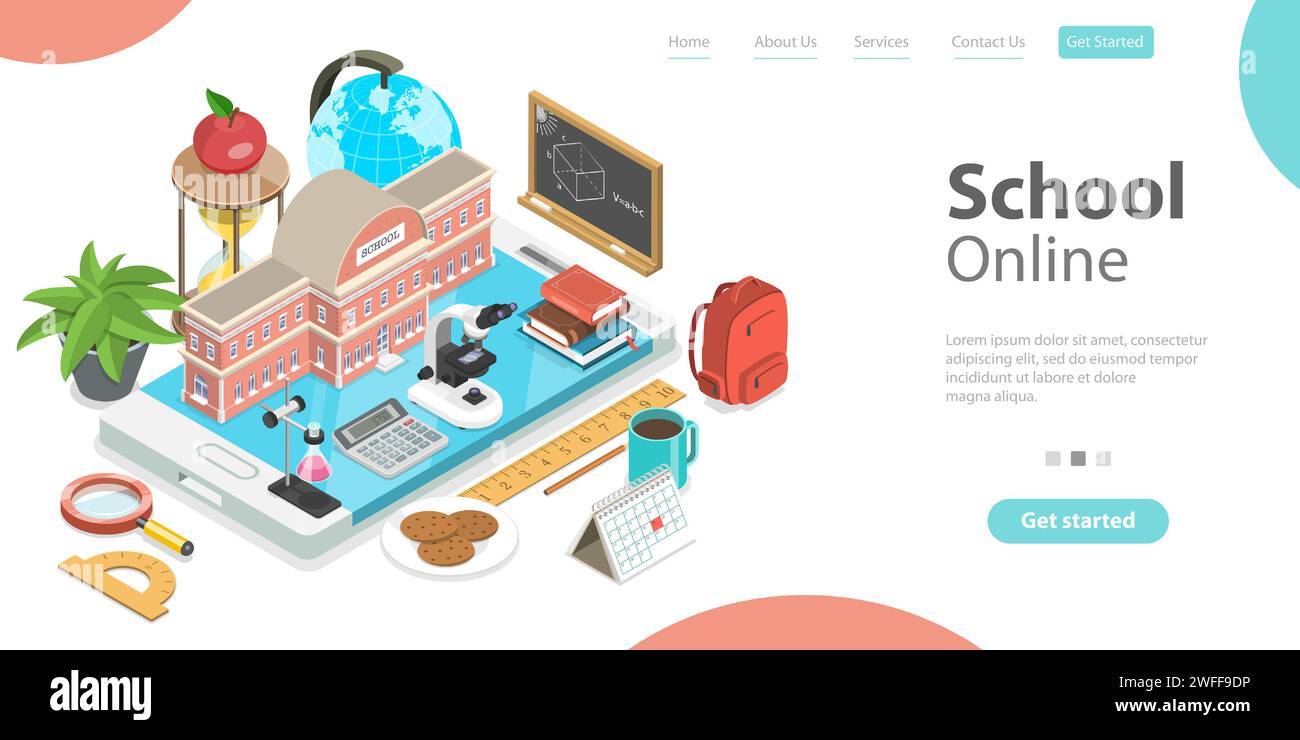
Comparing Popular Website Templates for Online Courses
| Template Name | LMS Integration | Responsive Design | Customization Options | Course Layout |
|---|---|---|---|---|
| CourseCraft | Yes | Yes | High | Excellent |
| Learnify | Yes | Yes | Medium | Good |
| Educate | Limited | Yes | High | Excellent |
When comparing templates like CourseCraft, Learnify, and Educate, consider how each meets your specific needs. For instance, CourseCraft offers excellent course layout features and high customization options but might have a steeper learning curve.
"The right website template acts not just as a foundation but as a catalyst for your online course business. It can significantly reduce development time, improve user experience, and help you achieve your business goals more efficiently." - Emily Wilson, Senior Web Developer
Practical Steps to Choosing Your Template
- Define Your Budget: Determine how much you're willing to spend on a template and any necessary customizations or integrations.
- Research Templates: Look into various marketplaces like ThemeForest, TemplateMonster, or WordPress Themes, and filter by categories related to education or online courses.
- Check for Support and Updates: Ensure the template you choose is regularly updated and has good customer support.
- Test and Preview: Take advantage of live previews and demo sites to get a feel for how the template performs in real-world scenarios.
Building Trust with Your Audience
The design and functionality of your website play a significant role in building trust with your potential students. A professional-looking website with easy navigation and clear information can significantly impact your conversion rates. Consider adding:
- Testimonials and reviews: Showcase feedback from satisfied students.
- Secure payment gateways: Ensure that your payment system is secure and trustworthy.
- Clear calls to action: Make it easy for visitors to know what steps to take next.
Frequently Asked Questions
Q: How important is mobile responsiveness for my online course website?
Extremely important. With a significant portion of internet users accessing websites through mobile devices, a responsive design ensures that your site provides a good user experience across all devices.
Q: Can I change my website template after launching my online course website?
Yes, but it might require some work. Changing a template can affect your site's functionality and design. It's best to plan carefully and choose a template that you'll be happy with long-term.
Q: Are there free website templates suitable for online courses?
Yes, there are free templates available, especially for WordPress and other platforms. However, they might have limitations in terms of features and customization options.
Final Considerations
Choosing the right website template for your online courses is a critical step in creating a successful online learning environment. By understanding your needs, looking for key features, and carefully selecting a template that aligns with your goals, you can create a website that not only looks great but also provides a seamless and engaging experience for your students. Take your time, do your research, and don't hesitate to invest in a quality template that will help you achieve your online course business goals.
Related: 5 Useful Things to Know About Online Course Outline Templates
Related: Online Course Certificate Template
