
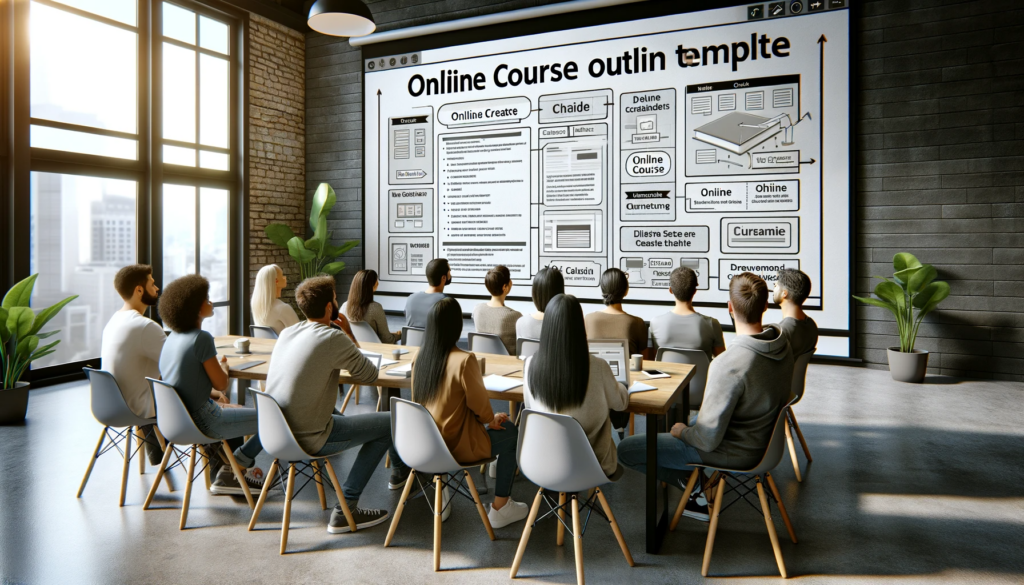
Why a Solid Online Course Outline Template Matters
Creating an online course can be a daunting task, especially when you're trying to juggle multiple aspects such as content creation, student engagement, and technical setup. One of the foundational elements that can make or break your online course is the outline. An effective online course outline template serves as a roadmap, guiding both you and your students through the learning journey. It helps in organizing your thoughts, structuring your content, and ensuring that your course meets its learning objectives.
Understanding the Basics of an Online Course Outline
Before diving into the specifics of creating a template, it's essential to understand what an online course outline should entail. At its core, an online course outline is a structured plan that details the topics to be covered, the sequence of those topics, and the learning activities associated with each. It's not just a list of topics but a comprehensive plan that considers the flow of information, the engagement of students, and the assessment of learning.
Key Components of an Effective Online Course Outline Template
An effective online course outline template should include several key components:
- Course Title and Description: A clear and concise title and description that set the stage for the course.
- Learning Objectives: Specific, measurable, achievable, relevant, and time-bound (SMART) objectives that outline what students will be able to do by the end of the course.
- Course Outline: A detailed breakdown of the topics and subtopics, including the sequence and estimated time for each.
- Learning Activities and Assessments: Descriptions of the activities and assessments that will be used to engage students and measure their progress.
- Resources and Materials: A list of the materials and resources needed for the course.
Choosing the Right Format for Your Online Course Outline Template
When it comes to creating your online course outline template, you have several format options to consider:
| Format | Description | Pros | Cons |
|---|---|---|---|
| Text-based | A simple, narrative outline using a word processor. | Easy to create, flexible. | Can be lengthy, hard to visualize. |
| Mind Map | A visual representation of your course using a mind mapping tool. | Visual, easy to see connections. | Can be complex, not linear. |
| Spreadsheet | A detailed, table format using a spreadsheet application. | Organized, easy to update. | Can be rigid, not intuitive. |
| Template Software | Specialized software designed for creating educational templates. | Structured, includes educational design principles. | May have a learning curve, cost. |
Creating Your Online Course Outline Template
To create your template, start by selecting a format that best suits your needs and preferences. Here are some steps to follow:
- Define Your Course Title and Description: Clearly articulate the focus and scope of your course.
- Establish Learning Objectives: Determine what students should learn and be able to do by the end of the course.
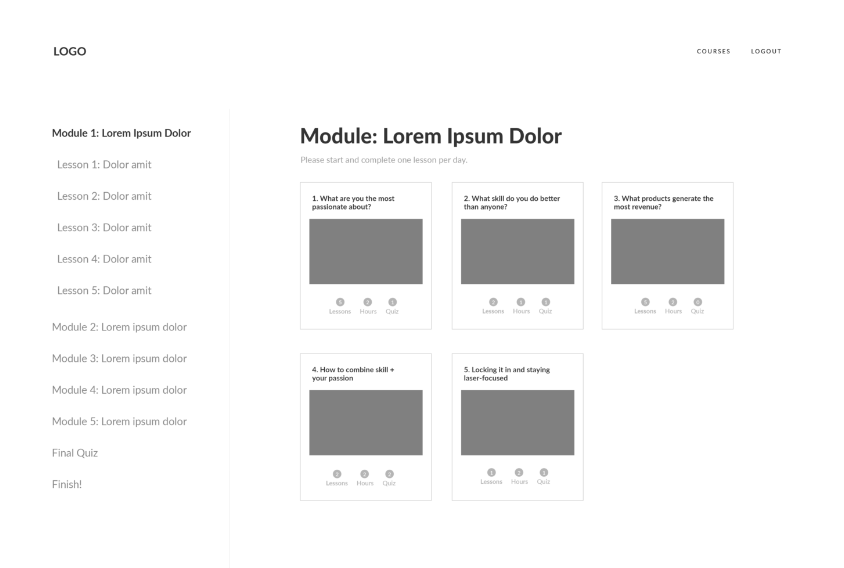
- Outline Your Course Content: Break down your course into modules or lessons, and detail the topics and subtopics.
- Incorporate Learning Activities and Assessments: Decide how you will engage students and measure their learning.
- List Resources and Materials: Identify what you'll need to deliver the course.
Tips for Making Your Online Course Outline Template Effective
- Keep it Flexible: Be open to making changes as your course evolves.
- Make it Detailed: Ensure that your outline is comprehensive and includes all necessary elements.
- Consider Your Audience: Tailor your course to the needs and preferences of your target students.
Common Mistakes to Avoid in Your Online Course Outline Template
- Overloading with Information: Too much content can overwhelm students and dilute the learning objectives.
- Lack of Engagement Strategies: Failing to incorporate engaging activities can lead to low student participation.
- Ignoring Technical Requirements: Not considering the technical aspects can lead to delivery issues.
FAQs on Creating an Online Course Outline Template
Q: What is the best format for an online course outline template?
The best format depends on your personal preference and the complexity of your course. A text-based or spreadsheet format is often a good starting point.
Q: How detailed should my online course outline be?
Your outline should be detailed enough to guide your course creation and delivery but flexible enough to allow for adjustments.
Q: Can I change my online course outline once I've started creating my course?
Yes, it's common to make adjustments as your course evolves. The key is to ensure that changes align with your learning objectives.
Q: How do I ensure my online course outline template engages students?
Incorporate a variety of learning activities and assessments that cater to different learning styles.
Conclusion
Creating an effective online course outline template is a critical step in developing a successful online course. By understanding the basics, choosing the right format, and carefully planning your course, you can create a engaging and effective learning experience for your students. Remember to stay flexible, consider your audience, and continuously evaluate and improve your course outline.
With a well-crafted online course outline template, you'll be well on your way to delivering a high-quality educational experience that meets the needs of your students and achieves your learning objectives.
Related: Free Course Template Download: What Actually Makes Sense?
Related: Create Online Courses on a Budget: Free Tools to Get You
