
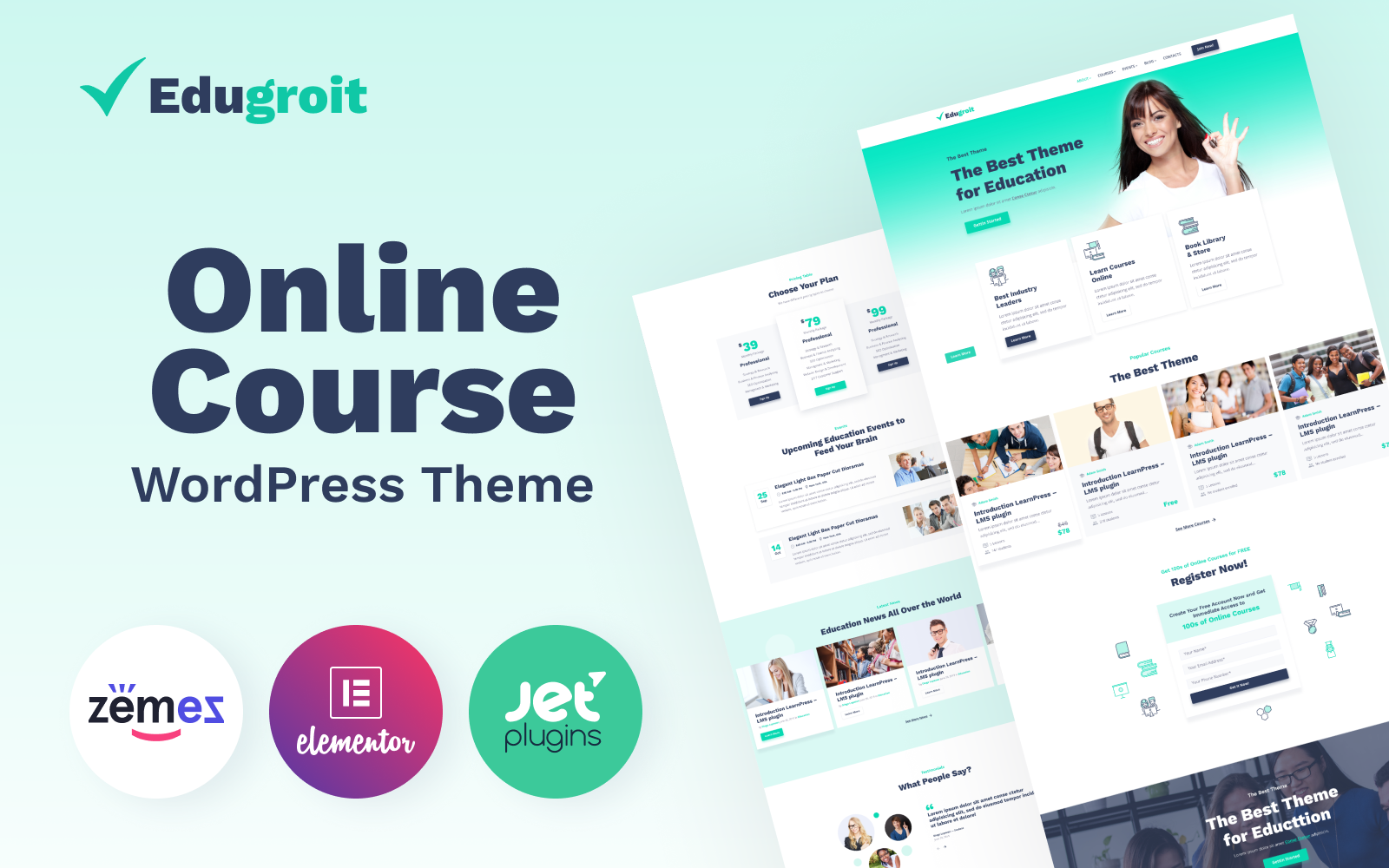
Getting Started with WordPress Online Courses
Creating an online course can be a fantastic way to share your expertise, build a community, and generate revenue. With WordPress, you can easily create a professional-looking online course website using a template. In this guide, we'll walk you through the process of creating a WordPress online courses template that engages learners and boosts sales.
When it comes to creating an online course, the first step is to choose a niche or topic. What are you knowledgeable about? What problems do you want to solve for your learners? Once you have a clear idea of your topic, you can start thinking about your target audience. Who are they? What are their pain points? What are their goals?
Choosing the Right WordPress Theme
The next step is to choose a WordPress theme that supports online courses. You want a theme that is clean, modern, and responsive, meaning it looks great on desktop and mobile devices. Some popular WordPress themes for online courses include:
LearnDash
WP Courseware
Edwify
CoursePress
When choosing a theme, consider the following factors:
Customizability: Can you easily customize the theme to match your brand?
Responsiveness: Does the theme look great on desktop and mobile devices?
LMS integration: Does the theme integrate with a Learning Management System (LMS) plugin?
Setting Up Your Online Course Structure
Once you have chosen a theme, it's time to set up your online course structure. This includes creating pages for your course content, such as:
Course introduction: A page that introduces your course and sets expectations for learners.
Course modules: Pages that contain your course content, such as video lessons, quizzes, and assignments.
Course conclusion: A page that summarizes your course and provides next steps for learners.
You can use a page builder plugin like Elementor or Beaver Builder to create custom pages and layouts.
Creating Engaging Course Content
Now it's time to create engaging course content. This includes:
Video lessons: High-quality video lessons that are easy to follow and understand.
Quizzes and assessments: Quizzes and assessments that help learners reinforce their learning.
Assignments and projects: Assignments and projects that help learners apply what they've learned.
Consider using a variety of content formats to keep learners engaged, such as:
Text-based content: Written lessons, eBooks, and worksheets.
Video content: Video lessons, interviews, and animations.
Audio content: Podcasts, audio lessons, and interviews.
Using a Learning Management System (LMS) Plugin
A LMS plugin can help you manage your online course content, learners, and sales. Some popular LMS plugins for WordPress include:
LearnDash: A comprehensive LMS plugin that supports course creation, learner management, and sales.
WP Courseware: A user-friendly LMS plugin that supports course creation, learner management, and sales.
CoursePress: A simple LMS plugin that supports course creation and learner management.
When choosing an LMS plugin, consider the following factors:
Ease of use: Is the plugin easy to use and navigate?
Features: Does the plugin have the features you need, such as course creation, learner management, and sales?
Integration: Does the plugin integrate with your WordPress theme and other plugins?
Comparison of Popular LMS Plugins
| Plugin | Ease of use | Features | Integration |
|---|---|---|---|
| LearnDash | 8/10 | Course creation, learner management, sales | Integrates with most WordPress themes and plugins |
| WP Courseware | 9/10 | Course creation, learner management, sales | Integrates with most WordPress themes and plugins |
| CoursePress | 7/10 | Course creation, learner management | Limited integration with other plugins |
"The key to creating a successful online course is to focus on engagement and community building. Use a variety of content formats, interactive elements, and discussion forums to keep learners engaged and motivated." - Online Course Expert
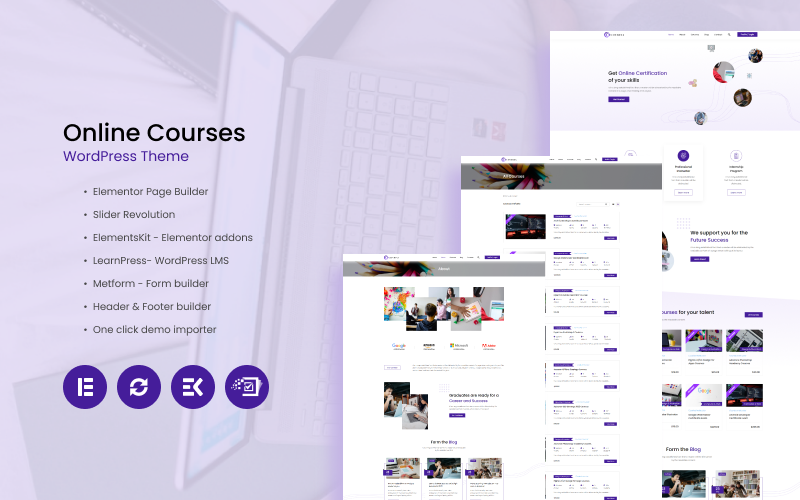
Best Practices for Online Course Creation
Here are some best practices to keep in mind when creating your online course:
Keep it concise: Break up long lessons into smaller, bite-sized chunks.
Use interactive elements: Use quizzes, assessments, and discussions to keep learners engaged.
Provide feedback: Provide regular feedback and support to learners.
Continuously improve: Continuously evaluate and improve your course content and delivery.
Common Mistakes to Avoid
Here are some common mistakes to avoid when creating your online course:
Poor course structure: Make sure your course has a clear and logical structure.
Low-quality content: Invest in high-quality content that is engaging and informative.
- Insufficient support: Provide regular support and feedback to learners.
FAQs
Q: What is the best WordPress theme for online courses?
The best WordPress theme for online courses depends on your specific needs and goals. Consider factors such as customizability, responsiveness, and LMS integration.
Q: How do I create a LMS plugin for WordPress?
You can use a LMS plugin like LearnDash, WP Courseware, or CoursePress to create and manage your online course content.
Q: How do I market my online course?
Use a variety of marketing strategies, such as social media, email marketing, and paid advertising, to promote your online course.
Q: How do I track learner progress and engagement?
Use a LMS plugin to track learner progress and engagement, such as course completion rates, quiz scores, and discussion participation.
Conclusion
Creating a WordPress online courses template requires careful planning, execution, and ongoing evaluation. By following best practices, using the right tools and plugins, and focusing on engagement and community building, you can create a successful online course that attracts and retains learners. Remember to continuously evaluate and improve your course content and delivery to ensure the best possible outcomes for your learners.
