
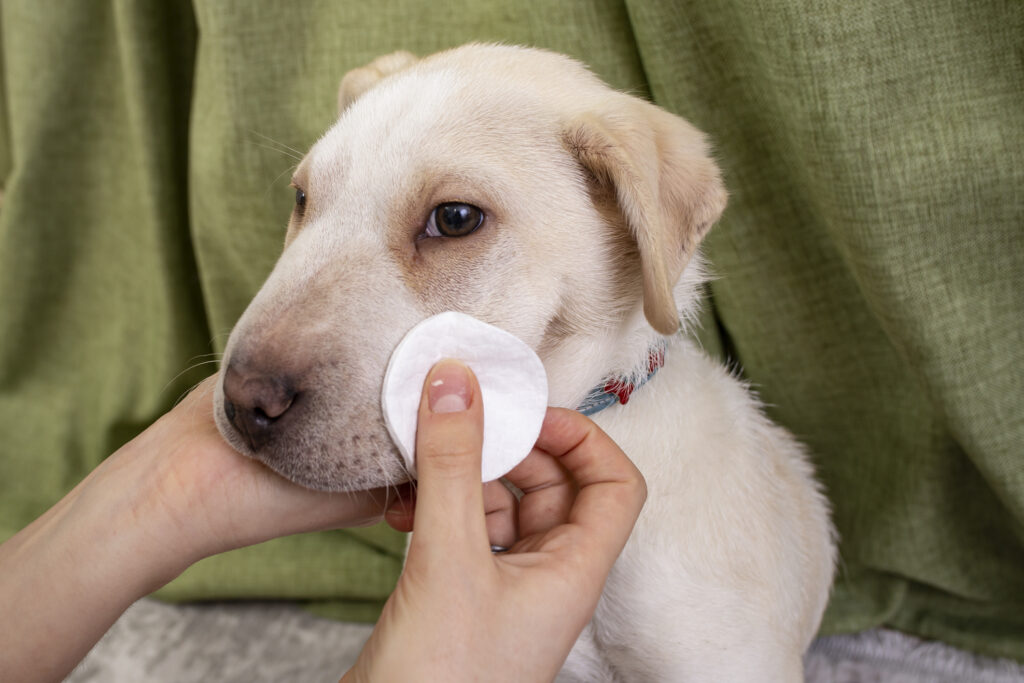
As any dog owner knows, there's nothing quite like the joy of having a furry friend by your side. But with that joy comes a deep sense of responsibility – to provide the best possible life for your dog. And that means staying on top of their health and wellbeing. In this practical guide to dog health, we'll explore the essential pet care tips you need to know to ensure your dog lives a long, happy life.
Nutrition: The Foundation of Dog Health
When it comes to dog health, nutrition is key. A well-balanced diet provides the building blocks for a healthy life, from energy and vitality to a strong immune system. But with so many dog food options on the market, it can be overwhelming to know where to start.
The first step is to choose a high-quality dog food that meets your dog's nutritional needs. Look for a food that's rich in protein, moderate in fat, and low in carbohydrates. You should also consider your dog's life stage – puppy, adult, or senior – as well as any health conditions they may have.
Some essential nutrients to look for in dog food include:
Protein: Look for named protein sources like chicken, beef, or fish
Fat: Essential for energy and skin health
Fiber: Supports digestive health
Vitamins and minerals: Ensure the food is rich in essential vitamins and minerals like vitamin D, calcium, and phosphorus
Grooming: More Than Just a Pretty Coat
Grooming is an essential part of dog care, and it's about more than just keeping your dog looking their best. Regular grooming helps to:
Reduce shedding and prevent hairballs
Prevent skin irritations and infections
Improve circulation and reduce stress
Detect any potential health issues early on
So, how often should you groom your dog? It depends on their breed, age, and individual needs. Some dogs require daily brushing, while others may only need a weekly session. Be sure to research your dog's specific grooming needs to ensure you're giving them the best possible care.
Health Checks: Staying on Top of Your Dog's Health
Regular health checks are crucial for detecting any potential health issues early on. Your veterinarian can help you identify any problems and provide guidance on how to address them.
Some essential health checks to consider include:
Annual check-ups: Schedule a yearly check-up with your veterinarian to monitor your dog's health and detect any potential issues
Dental care: Regular dental checks can help prevent tooth decay and gum disease
Vaccinations: Stay up-to-date on vaccinations to protect your dog from serious diseases
Parasite control: Regularly check for parasites like fleas, ticks, and heartworms

Common Health Issues: What You Need to Know
As a dog owner, it's essential to be aware of common health issues that can affect your furry friend. Some of the most common health issues include:
Hip dysplasia: A genetic condition that affects the hip joint
Ear infections: Caused by bacteria or yeast, ear infections can be painful and uncomfortable
Allergies: Skin allergies and food allergies are common in dogs
Obesity: A growing problem in dogs, obesity can lead to a range of health issues
By being aware of these common health issues, you can take steps to prevent them or detect them early on.
The Benefits of Regular Exercise
Regular exercise is essential for maintaining your dog's physical and mental health. Exercise can help:
Reduce stress and anxiety
Improve cardiovascular health
Support weight management
Increase socialization and training opportunities
So, how much exercise does your dog need? It depends on their age, breed, and individual needs. Some dogs require daily walks, while others may need more intense exercise like running or agility training.
Putting it All Together: A Holistic Approach to Dog Health
When it comes to dog health, it's essential to take a holistic approach. This means considering all aspects of your dog's life, from nutrition and grooming to health checks and exercise.
By following these practical pet care tips, you can help ensure your dog lives a long, happy life. Remember, every dog is different, so be sure to research your dog's specific needs to provide the best possible care.
Comparison of Dog Food Types
| Food Type | Protein Source | Fat Content | Carbohydrate Content |
|---|---|---|---|
| Kibble | Named protein sources like chicken, beef, or fish | Moderate | Low |
| Raw Food | Fresh meat, organs, and bones | High | Low |
| Homemade Food | Variable | Variable | Variable |
Pros and Cons of Regular Grooming
Pros:
Reduces shedding and prevents hairballs
Prevents skin irritations and infections
Improves circulation and reduces stress
Detects potential health issues early on
Cons:
Can be time-consuming and expensive
May cause stress for some dogs
Requires regular commitment
Frequently Asked Questions
Q: How often should I feed my dog?
The frequency of feeding depends on your dog's age, breed, and individual needs. Generally, puppies require more frequent feeding, while adult dogs can be fed once or twice a day.
Q: What are the signs of a healthy dog?
A healthy dog should have a shiny coat, bright eyes, and a wagging tail. They should also have a healthy appetite, regular bowel movements, and plenty of energy.
Q: Can I give my dog human food?
While it's tempting to share human food with your dog, it's essential to be cautious. Some human foods can be toxic to dogs, while others may cause digestive issues. Always consult with your veterinarian before making any changes to your dog's diet.
Q: How often should I take my dog to the vet?
Regular veterinary check-ups are crucial for maintaining your dog's health. Schedule a yearly check-up with your veterinarian, and more frequently as needed based on your dog's individual needs.
Final Tips for a Happy, Healthy Dog
By following these practical dog health and pet care tips, you can help ensure your furry friend lives a long, happy life. Remember to:
Provide a well-balanced diet
Regular grooming and health checks
Stay on top of common health issues
- Prioritize regular exercise and mental stimulation
Every dog is unique, so be sure to research your dog's specific needs to provide the best possible care. With love, attention, and proper care, your dog will thrive and bring joy to your life for years to come.
Related: Simple Meal Prep for Beginners: A Straightforward Guide
