
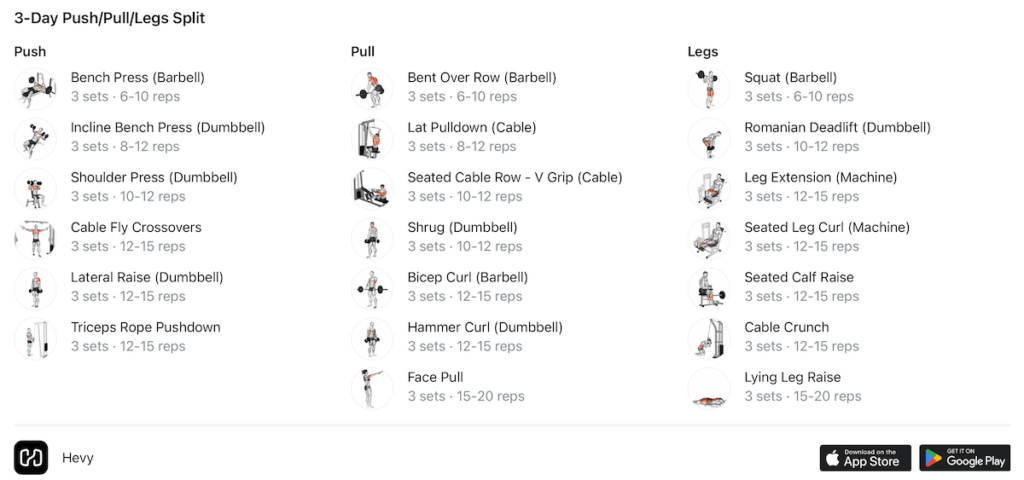
Getting Started with Your Home Workout Plan
Creating a home workout plan can be an efficient and effective way to achieve your fitness goals, especially for those with busy schedules or a preference for exercising in the comfort of their own homes. However, without a well-structured plan, it's easy to lose motivation or not see the desired results.
To start, define your fitness goals. Are you looking to lose weight, build muscle, increase endurance, or perhaps a combination of these? Your goals will dictate the type of exercises you should focus on and the intensity of your workouts. For example, if your goal is to build muscle, you'll want to incorporate more strength training exercises into your routine.
Essential Components of a Home Workout Plan
A successful home workout plan includes a mix of cardiovascular exercises, strength training, and flexibility workouts. Cardio exercises such as running, cycling, or jumping jacks help improve heart health and burn calories. Strength training, which can be achieved with bodyweight exercises or light weights, is crucial for building muscle and boosting metabolism.
Don't neglect flexibility and stretching exercises, as they help prevent injuries and improve mobility. Incorporating yoga or Pilates into your routine can also enhance your core strength and overall flexibility.
Sample Home Workout Routine
Here's a simple yet effective home workout routine that you can follow:
- Monday (Cardio Day):
- Tuesday (Upper Body Strength Training):
- Wednesday (Rest Day)
- Thursday (Lower Body Strength Training):
- Friday (Flexibility and Core):
Pros and Cons of Home Workouts
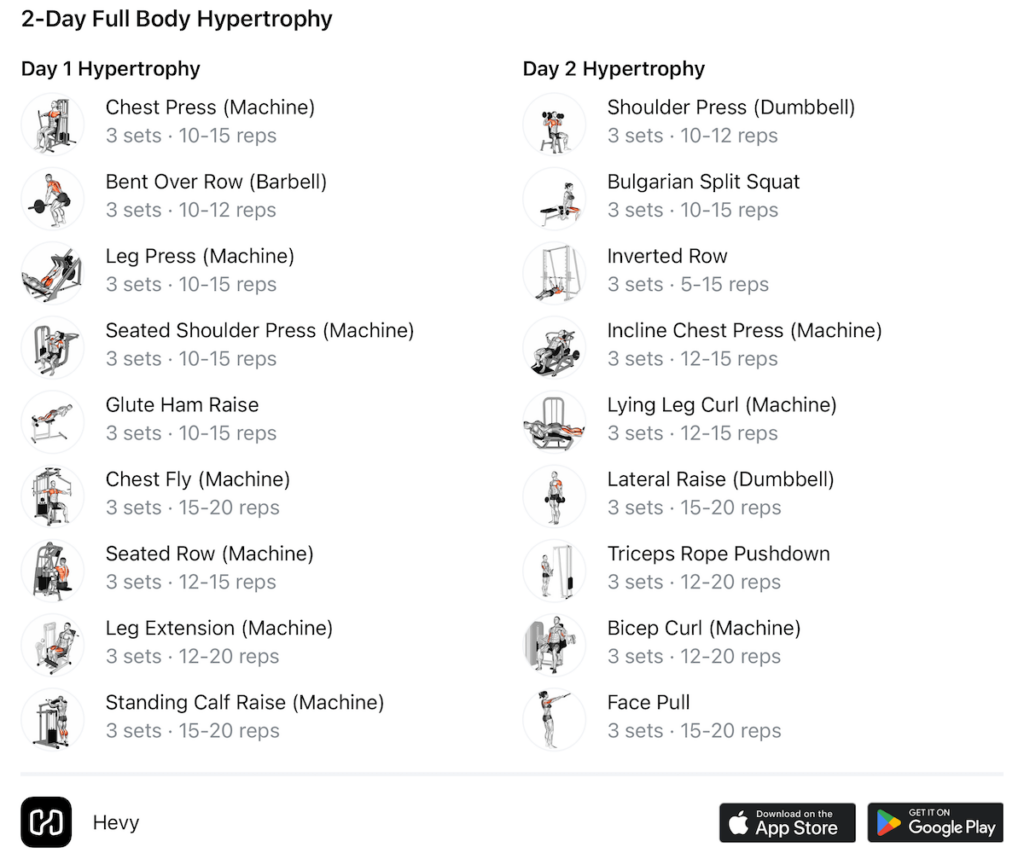
Pros:
- Convenience and flexibility in scheduling
- Cost-effective compared to gym memberships
- Comfort and privacy of exercising at home
- Can be tailored to individual fitness levels and goals
Cons:
- Limited equipment and space
- Potential lack of motivation without a structured environment
- Requires discipline and self-motivation
Staying Motivated and Tracking Progress
Staying motivated is crucial to the success of any workout plan. Here are a few tips to keep you on track:
- Set Realistic Goals: Break down your long-term goals into smaller, achievable milestones.
- Find a Workout Buddy: Exercising with a friend or family member can provide accountability and make workouts more enjoyable.
- Track Your Progress: Use a fitness tracker, journal, or mobile app to monitor your progress and stay motivated.
Equipment for Home Workouts
While many effective home workouts require minimal to no equipment, having some basic gear can enhance your routine. Consider investing in:
- A good pair of dumbbells or adjustable weights
- A yoga mat for comfort during floor exercises
- Resistance bands for added challenge
- A stability ball for core exercises
Frequently Asked Questions
Q: How often should I work out at home?
The frequency of your workouts depends on your fitness goals and current fitness level. Generally, it's recommended to exercise at least 3-4 times a week, with at least one day of rest in between.
Q: Do I need a lot of space to work out at home?
Not necessarily. Many effective home workouts can be done in a small space, such as a living room or bedroom. Bodyweight exercises and yoga, for example, require minimal space.
Q: Can I lose weight with home workouts?
Yes, you can lose weight with home workouts, provided you combine a balanced diet with a consistent and well-structured exercise routine. High-intensity interval training (HIIT) and strength training are particularly effective for weight loss.
Q: How do I stay motivated to work out at home?
Staying motivated involves setting clear goals, finding a workout buddy, tracking your progress, and mixing up your routine to keep things interesting.
Conclusion
Creating an effective home workout plan is about finding a balance between consistency, variety, and progression. By setting clear goals, incorporating a mix of exercise types, and staying motivated, you can achieve significant fitness gains from the comfort of your own home. Whether you're a beginner or an experienced athlete, the key is to make your home workout plan sustainable and enjoyable. With the right approach, home workouts can be a convenient, cost-effective, and highly rewarding way to improve your health and fitness.
Related: Effective Study Tips for Nursing Students to Excel
Related: Study Tips for Adhd
