

Getting Started with Effective Study Habits
Developing good study habits is crucial for academic success. With so much information available, it's easy to get overwhelmed and struggle to retain what you've learned. But what if you could learn how to study effectively, retain more information, and achieve your academic goals? In this article, we'll share practical study tips and techniques to help you do just that.
Understanding Your Learning Style
Before diving into study tips, it's essential to understand your learning style. Are you a visual, auditory, or kinesthetic learner? Knowing your learning style can help you tailor your study approach to what works best for you. For example, if you're a visual learner, you may prefer using diagrams, charts, and videos to learn new concepts. On the other hand, if you're an auditory learner, you may prefer listening to lectures, podcasts, or audiobooks.
Creating a Study Schedule
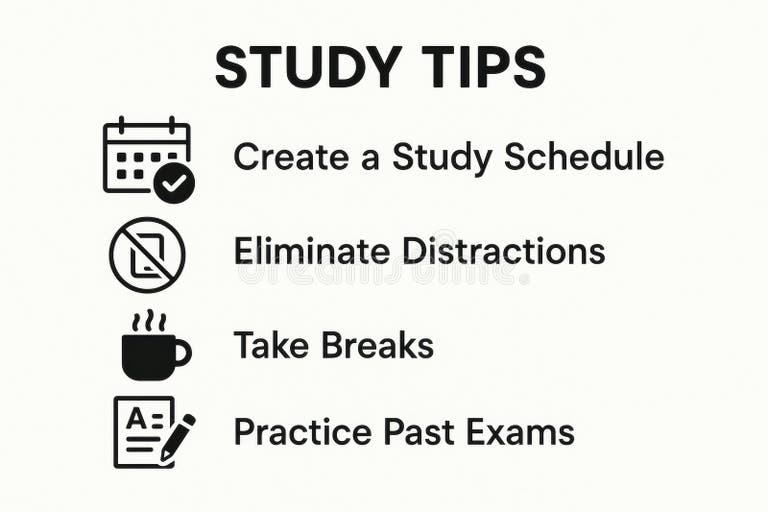
A study schedule is a crucial tool for effective learning. It helps you stay organized, focused, and ensure that you're covering all the material you need to. Here are some tips for creating a study schedule:
Set specific goals for what you want to achieve
Break down large tasks into smaller, manageable chunks
Allocate dedicated blocks of time for studying
Prioritize the most challenging topics or assignments
Leave some buffer time for review and practice
Active Learning Techniques
Active learning techniques are designed to engage you with the material, rather than just passively reading or listening. Some effective active learning techniques include:
Summarizing notes in your own words
Creating concept maps or flashcards
Making self-testing quizzes
Discussing topics with classmates or study groups
Applying what you've learned to real-world scenarios
Using Technology to Enhance Learning
Technology can be a powerful tool for learning, but it's essential to use it effectively. Here are some study tips for using technology:
Use apps like Quizlet or Anki to create digital flashcards
Record lectures or audiobooks for later review
Take notes on a tablet or laptop, but also review and summarize them by hand
Use browser extensions like StayFocusd or Freedom to minimize distractions
Overcoming Procrastination and Staying Motivated
Procrastination is a common challenge many students face. Here are some study tips to help you overcome procrastination and stay motivated:
Break down large tasks into smaller, manageable chunks
Set specific goals and deadlines
Create a conducive study environment
Reward yourself for achieving milestones
Find a study buddy or accountability partner
Comparison of Study Techniques
| Study Technique | Description | Effectiveness |
|---|---|---|
| Flashcards | Reviewing key terms and concepts | High |
| Summarization | Summarizing notes in own words | High |
| Self-testing | Testing understanding with quizzes | High |
| Mnemonics | Using associations to remember information | Medium |
| Re-reading | Re-reading notes or textbook | Low |
"The most effective study techniques are those that engage you with the material, challenge you to think critically, and help you retain information over time."
Common Study Mistakes to Avoid
Here are some common study mistakes to avoid:
Procrastination and cramming
Lack of organization and time management
Not reviewing or practicing material regularly
Relying too heavily on a single study technique
Not seeking help when needed
Checklist for Effective Studying
Set specific goals and deadlines
Create a study schedule and stick to it
Use active learning techniques
Review and practice material regularly
- Seek help when needed

FAQs
Q: How can I stay focused while studying?
Use the Pomodoro Technique, which involves studying in focused 25-minute increments, followed by a 5-minute break.
Q: What's the best way to take notes?
The best way to take notes is to use a combination of methods, such as summarizing in your own words, creating concept maps, and using flashcards.
Q: How can I overcome procrastination?
Break down large tasks into smaller chunks, set specific goals and deadlines, and create a conducive study environment.
Q: What's the importance of reviewing material regularly?
Reviewing material regularly helps solidify information in your long-term memory, reducing the need for last-minute cramming and improving retention.
Final Tips and Next Steps
Effective studying is a skill that takes practice, patience, and persistence. By incorporating these study tips and techniques into your daily routine, you'll be well on your way to achieving academic success. Remember to stay flexible, adapt to new challenges, and continually evaluate and improve your study approach. With time and effort, you'll develop a personalized study system that works for you, helping you achieve your academic goals and beyond.
Related: Small Business Cheap Ideas: What Actually Makes Sense?
