
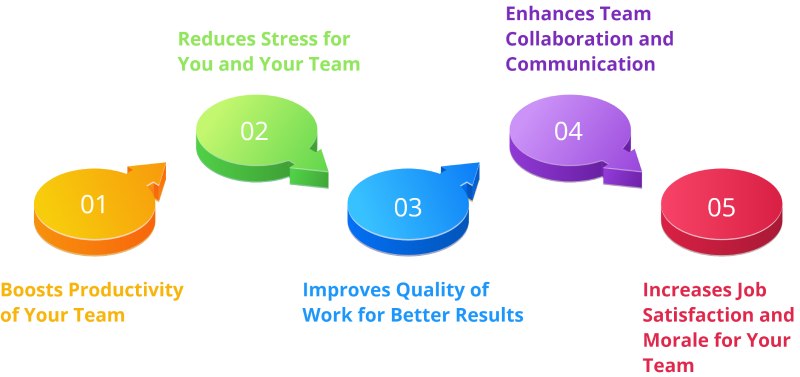
Mastering the Art of Time Management
As an employee, you're constantly juggling multiple tasks, deadlines, and responsibilities. Effective time management is crucial to staying on top of your work, reducing stress, and achieving a better work-life balance. But with so many demands on your time, it's easy to get bogged down and lose focus. In this practical guide, we'll explore actionable time management tips to help you prioritize tasks, manage distractions, and maximize your productivity.
Understanding Your Time Management Style
Before we dive into specific strategies, it's essential to understand your time management style. Are you a morning person or a night owl? Do you work best in short, focused intervals or long, uninterrupted blocks? Take some time to reflect on your habits and preferences. Consider keeping a time log to track how you spend your time over a week or two. This will help you identify areas where you can improve and develop a personalized approach to time management.
Prioritizing Tasks: The Eisenhower Matrix
One of the most effective tools for prioritizing tasks is the Eisenhower Matrix. This simple decision-making framework helps you categorize tasks into four quadrants based on their urgency and importance.
| <strong>Urgency</strong> | <strong>Importance</strong> | <strong>Action</strong> |
|---|---|---|
| High | High | Do first |
| High | Low | Delegate |
| Low | High | Schedule |
| Low | Low | Eliminate |
By using the Eisenhower Matrix, you can quickly identify which tasks require immediate attention, which ones can be delegated, and which ones can be scheduled or eliminated. This helps you focus on high-priority tasks and avoid wasting time on non-essential activities.
Managing Distractions and Minimizing Procrastination
Distractions are everywhere, from social media and email notifications to chatty coworkers and meetings. To stay focused, you need to develop strategies for minimizing distractions and overcoming procrastination. Here are a few techniques to try:
The Pomodoro Technique: Work in focused, 25-minute increments, followed by a 5-minute break. After four cycles, take a longer break of 15-30 minutes.
Time blocking: Schedule large blocks of uninterrupted time to focus on critical tasks.
- The "2-minute rule": If a task can be done in less than 2 minutes, do it immediately.
Setting Realistic Goals and Deadlines
Setting realistic goals and deadlines is critical to effective time management. Be honest with yourself about what you can accomplish in a given timeframe, and don't be afraid to say no to non-essential tasks. Consider using the SMART goal framework to set specific, measurable, achievable, relevant, and time-bound goals.
Avoiding Multitasking and Batching Similar Tasks
Multitasking is a productivity killer. When you try to do multiple things at once, you're likely to make mistakes, decrease your productivity, and increase your stress levels. Instead, focus on batching similar tasks together. For example, check and respond to all your emails at once, rather than constantly throughout the day.
Taking Breaks and Practicing Self-Care
Taking breaks and practicing self-care are essential to maintaining your productivity and overall well-being. Make time for activities that nourish your mind, body, and spirit, such as exercise, meditation, or spending time with loved ones.
Frequently Asked Questions
Q: How can I prioritize tasks when everything seems urgent?
Use the Eisenhower Matrix to categorize tasks into four quadrants based on their urgency and importance. Focus on high-priority tasks first, and delegate or eliminate less important tasks.
Q: What are some common time management mistakes employees make?
Common time management mistakes include multitasking, procrastination, and failing to set realistic goals and deadlines. Additionally, employees often struggle with distractions, such as social media and email notifications.
Q: How can I avoid burnout and maintain my productivity?
To avoid burnout and maintain your productivity, make sure to take breaks, practice self-care, and set realistic goals and deadlines. It's also essential to establish a healthy work-life balance and prioritize activities that nourish your mind, body, and spirit.
Q: What are some effective tools for time management?
Effective tools for time management include the Eisenhower Matrix, the Pomodoro Technique, and time blocking. Additionally, consider using project management software, such as Trello or Asana, to help you stay organized and focused.
Conclusion
Effective time management is a skill that takes practice, patience, and persistence. By understanding your time management style, prioritizing tasks, managing distractions, and taking breaks, you can maximize your productivity and achieve a better work-life balance. Be gentle with yourself, and don't be afraid to try new strategies until you find what works best for you. With time and effort, you can become a master of time management and achieve your goals with greater ease and confidence.
