
Taking Control of Your Free Time
Are you tired of feeling like your free time is slipping away from you? Do you find yourself constantly playing catch-up, with no time for the things you enjoy? You're not alone. Many of us struggle to manage our free time effectively, leading to feelings of stress, guilt, and frustration. But what if you could take control of your free time and use it to boost your productivity, reduce stress, and achieve a better work-life balance?
Assessing Your Free Time
Before you can manage your free time effectively, you need to understand how you're currently using it. Take a week or two to track how you spend your free time. Write down everything you do, from watching TV to browsing social media to exercising. This will help you identify areas where you can improve and give you a baseline to work from.
For example, you might be surprised at how much time you spend scrolling through your phone or watching YouTube videos. Or you might realize that you're not spending as much time with loved ones or pursuing hobbies as you'd like. Whatever your habits, being aware of them is the first step to making positive changes.
Setting Goals for Your Free Time
Once you have a sense of how you're currently using your free time, it's time to set some goals. What do you want to achieve with your free time? Do you want to learn a new skill, spend more time with family and friends, or simply relax and recharge?
Make sure your goals are specific, measurable, achievable, relevant, and time-bound (SMART). For example, instead of saying "I want to read more," say "I want to read one book per month for the next six months." This will help you stay focused and motivated.
Prioritizing Your Free Time
Not all free time activities are created equal. Some activities are more important to you than others, and some have a greater impact on your well-being and productivity. To prioritize your free time, ask yourself:
Which activities make me feel most fulfilled and happy?
Which activities align with my values and goals?
Which activities can I realistically fit into my schedule?
Use the Eisenhower Matrix to categorize your free time activities into four quadrants:
| <strong>Urgent</strong> | <strong>Not Urgent</strong> |
|---|---|
| <strong>Important</strong> | Do first (e.g., exercise, spend time with loved ones) |
| <strong>Not Important</strong> | Eliminate (e.g., excessive social media use) |
Strategies for Managing Your Free Time
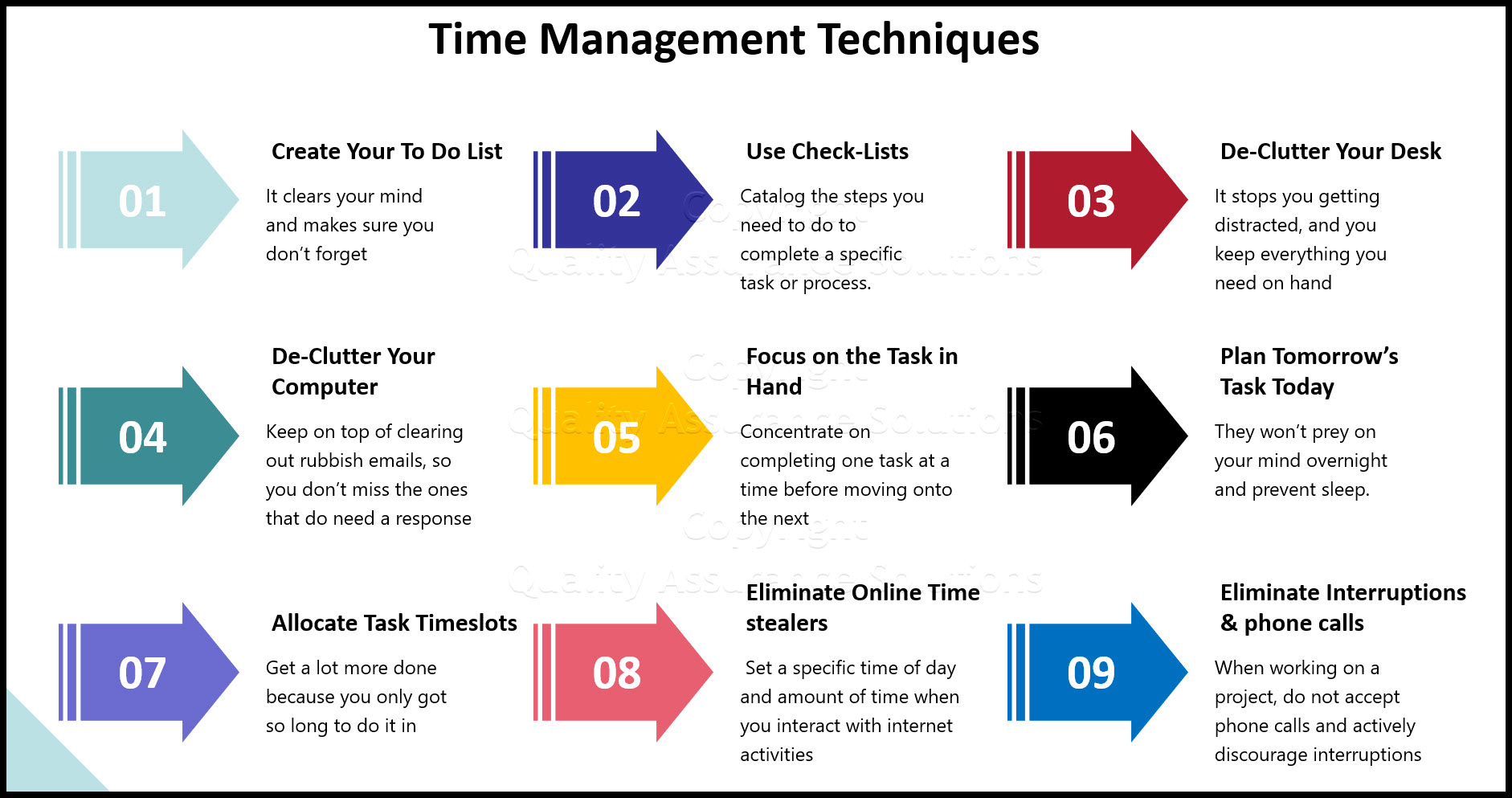
Now that you have a sense of your goals and priorities, it's time to explore strategies for managing your free time effectively. Here are a few tips to get you started:
Use a calendar: Write down all your free time activities, including appointments, exercise, and hobbies. This will help you visualize your schedule and make sure you have enough time for everything.
Set boundaries: Learn to say no to activities that drain your energy or don't align with your goals. Remember, it's okay to prioritize your own needs and desires.
Batch similar activities: Group similar activities together, such as checking email or doing household chores. This can help you stay focused and save time.
"The way to get started is to quit talking and begin doing." - Walt Disney
Overcoming Obstacles to Free Time Management
One of the biggest obstacles to free time management is procrastination. We often put off activities we don't enjoy or feel overwhelmed by, leading to feelings of guilt and stress. To overcome procrastination, try:
Breaking tasks into smaller steps: Make large tasks feel more manageable by breaking them down into smaller, achievable steps.
Creating a "stop doing" list: Identify activities that are no longer serving you and eliminate them from your schedule.
Finding accountability: Share your goals and schedule with a friend or family member and ask them to hold you accountable.
Free Time Management in Practice
Let's say you're a freelance writer with a busy schedule. You want to use your free time to learn a new skill, spend time with loved ones, and relax. Here's an example of how you might prioritize your free time:
Learning a new skill: 2 hours per week (e.g., online courses or tutorials)
Spending time with loved ones: 4 hours per week (e.g., dinner with family or a walk with a friend)
Relaxation: 2 hours per week (e.g., reading or meditation)
Frequently Asked Questions
Q: How do I prioritize my free time when I have a lot of responsibilities?
Start by identifying your most important responsibilities and scheduling them first. Then, use your remaining free time to pursue activities that bring you joy and fulfillment.
Q: What if I don't have a lot of free time?
Even small amounts of free time can be beneficial. Try to find ways to use your free time efficiently, such as taking a short walk during your lunch break or practicing deep breathing exercises.
Q: How can I avoid distractions during my free time?
Try to eliminate distractions by turning off notifications, finding a quiet space, or using a tool like a website blocker.
Q: What if I'm not sure what I want to do with my free time?
Try exploring different activities and hobbies to see what you enjoy. You can also ask friends or family members for suggestions or try online courses or tutorials.
Taking Action
Now that you've read these free time management tips, it's time to take action. Start by assessing your current free time habits and setting goals for how you want to use your time. Prioritize your activities, use strategies like calendars and boundaries, and overcome obstacles like procrastination. Remember, managing your free time effectively takes practice, but the benefits are well worth it.
By taking control of your free time, you can:
Boost your productivity and efficiency
Reduce stress and feelings of overwhelm
Achieve a better work-life balance
Pursue activities that bring you joy and fulfillment
So what are you waiting for? Start taking control of your free time today.
Related: How to Understand Top Pet Care Tips Without the Confusion
