
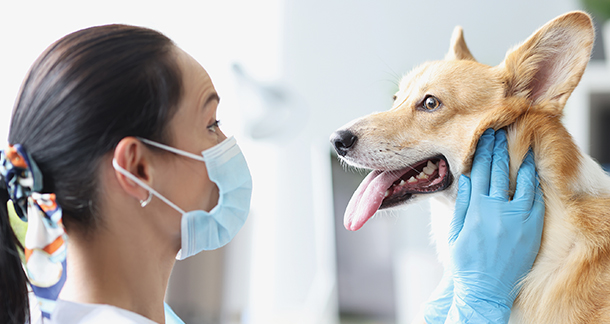
As any pet owner knows, providing the best life for your furry friends is a top priority. One crucial aspect of pet care is healthcare, which can be overwhelming with the numerous options and advice available. In this guide, we'll break down essential healthcare tips for pets, covering preventative care, common health issues, and what to expect from your veterinarian.
Understanding Preventative Care
Preventative care is the foundation of pet healthcare. Regular check-ups with your veterinarian, vaccinations, and parasite control can help prevent a range of health issues. But what does preventative care entail, and how often should you visit your vet?
For dogs, the American Animal Hospital Association recommends annual check-ups for healthy adults, while puppies and senior dogs may require more frequent visits. Cats, on the other hand, can often get away with bi-annual check-ups, but this may vary depending on their health and lifestyle.
A key component of preventative care is vaccinations. Core vaccinations, such as rabies and distemper, are essential for all pets, while non-core vaccinations, like Bordetella, may be recommended based on your pet's lifestyle and risk factors.

The Importance of Nutrition and Diet
Nutrition plays a critical role in maintaining your pet's overall health. With so many pet food options available, selecting the right one can be daunting. Here's a comparison of some popular pet food types:
| <strong>Pet Food Type</strong> | <strong>Description</strong> | <strong>Pros</strong> | <strong>Cons</strong> |
|---|---|---|---|
| <strong>Kibble</strong> | Convenient, affordable dry food | Easy to store, helps maintain dental health | May contain fillers, preservatives |
| <strong>Canned Food</strong> | Moist, often higher in protein | Palatable, can be more digestible | More expensive, shorter shelf life |
| <strong>Raw Food</strong> | Unprocessed, often homemade diet | May improve digestion, reduce allergies | Risk of bacterial contamination, requires careful balancing |
When choosing a pet food, consider your pet's age, health, and lifestyle. Consult with your veterinarian to determine the best diet for your furry friend.

Common Health Issues in Pets
As pets age, they're more prone to certain health issues. Here are some common conditions to watch out for:
Dental Disease: Regular dental care can prevent tartar buildup, gum disease, and tooth loss.
Obesity: Maintaining a healthy weight through diet and exercise can reduce the risk of obesity-related issues, like diabetes and arthritis.
Skin Allergies: Identifying and addressing allergies can help alleviate symptoms, such as itching and scratching.
What to Expect from Your Veterinarian
Your veterinarian is a valuable resource for pet healthcare. When visiting your vet, you can expect:
A thorough physical examination
A review of your pet's medical history and vaccination records
Discussion of preventative care, nutrition, and health issues
Building a strong relationship with your veterinarian can help ensure your pet receives the best possible care.
Navigating Pet Insurance Options
Pet insurance can provide financial peace of mind in case of unexpected veterinary expenses. When selecting a policy, consider the following:
Coverage: What health issues and treatments are covered?
Deductible: What's the out-of-pocket cost for each visit or treatment?
- Reimbursement: How quickly are claims reimbursed?
Research and compare policies to find the best fit for your pet and budget.
Frequently Asked Questions
Q: How often should I take my pet to the vet?
The frequency of vet visits depends on your pet's age, health, and lifestyle. Consult with your veterinarian to determine the best schedule.
Q: What's the best way to prevent fleas and ticks?
Regular use of preventative medications, such as topical treatments or oral medications, can help control flea and tick populations.
Q: Can I give my pet human medication?
No, human medication should never be given to pets without consulting a veterinarian, as it can be toxic or cause adverse reactions.
Q: How can I tell if my pet is overweight?
Consult with your veterinarian to determine your pet's ideal weight. Monitor their food intake, and adjust as needed to maintain a healthy weight.
Closing
Providing the best life for your pet requires attention to their healthcare needs. By understanding preventative care, nutrition, common health issues, and what to expect from your veterinarian, you can give your furry friend the best chance at a long, happy life. Regular check-ups, a balanced diet, and staying informed can help you navigate the world of pet healthcare with confidence.
Related: Basic Pet Health Care Tips
Related: 5 Useful Things to Know About High Protein Meal Prep Ideas
