

Getting Started with Healthy Meal Prep
As a beginner, embarking on a healthy meal prep journey can seem daunting. The idea of planning, shopping, and preparing meals in advance can be overwhelming, especially when you're unsure where to start. However, with a little guidance, you can set yourself up for success and make healthy eating a sustainable part of your lifestyle. In this guide, we'll explore practical healthy meal prep ideas for beginners, covering the essentials of meal planning, grocery shopping, and food preparation.
Meal Planning Essentials
Before you begin prepping meals, it's crucial to have a solid plan in place. This involves setting your nutritional goals, considering your dietary needs, and choosing recipes that align with your preferences. Here are some steps to help you get started:
Define Your Goals: Determine what you want to achieve through meal prep. Is it to lose weight, gain muscle, or simply eat healthier? Your goals will influence your meal choices and portion sizes.
Assess Your Dietary Needs: Consider any dietary restrictions or preferences you may have, such as vegetarian, gluten-free, or dairy-free. This will help you select recipes that cater to your needs.
Choose Recipes: Look for simple and nutritious recipes that can be prepared in advance. Consider meals that can be cooked in bulk and refrigerated or frozen for later use.
Grocery Shopping for Meal Prep
Once you have your meal plan, it's time to go grocery shopping. Here are some tips to help you shop smart:
Make a List: Stick to your meal plan and write down the ingredients you need. This will help you avoid impulse purchases and reduce food waste.
Shop the Perimeter: Focus on whole foods like fruits, vegetables, lean proteins, and whole grains. These foods are generally healthier and less processed than packaged goods.
Buy in Bulk: Purchasing items like rice, quinoa, and canned goods in bulk can save you money and reduce packaging waste.
Healthy Meal Prep Ideas for Beginners
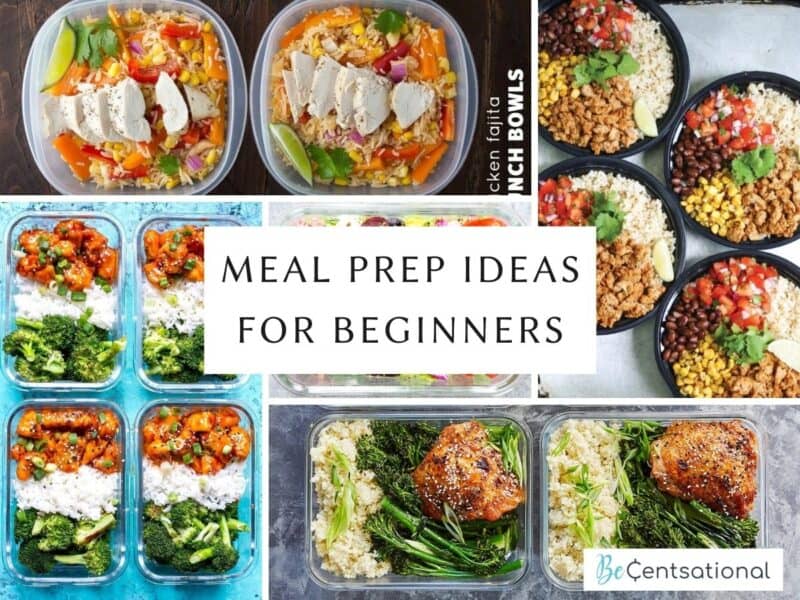
Now that you have your ingredients, it's time to start prepping. Here are some healthy meal prep ideas perfect for beginners:
Breakfast Options
Overnight Oats: Mix together rolled oats, milk, and your choice of toppings, such as fruit or nuts, in a jar or container. Refrigerate overnight and enjoy in the morning.
Muffin Tin Frittatas: Whisk together eggs, milk, and diced vegetables, then pour into muffin tins. Bake until set and refrigerate or freeze for later use.
Lunch and Dinner Options
Salad Jars: Layer mixed greens, cherry tomatoes, cucumber, and protein like grilled chicken or tofu in a jar. Add a simple vinaigrette just before serving.
Slow Cooker Meals: Use a slow cooker to prepare meals like chili, stew, or curry. These meals can be cooked in bulk and refrigerated or frozen for later use.
Balancing Macronutrients in Meal Prep
A well-balanced meal should include a mix of protein, healthy fats, and complex carbohydrates. Here's how to balance your macronutrients:
Protein: Include sources like lean meats, fish, eggs, tofu, and legumes in your meals.
Healthy Fats: Nuts, seeds, avocado, and olive oil are all great sources of healthy fats.
Complex Carbohydrates: Focus on whole grains like brown rice, quinoa, and whole wheat bread.
Common Meal Prep Mistakes to Avoid
Here are some common mistakes to watch out for:
Overcooking: Cook meals until they're just done, as overcooking can lead to dry, unappetizing food.
Not Labeling: Label your meals with the date and contents to ensure you use the oldest items first.
Not Reheating Safely: Reheat meals to an internal temperature of at least 165°F (74°C) to ensure food safety.
Advanced Meal Prep Tips
Once you've mastered the basics, here are some advanced tips to take your meal prep to the next level:
Portion Control: Use containers to portion out your meals and avoid overeating.
Variety: Mix up your meals to avoid boredom and ensure you're getting a range of nutrients.
- Freezing: Consider freezing meals like soups, stews, and casseroles for later use.
Frequently Asked Questions
Q: How long can I store meal prep in the fridge?
Most meal prep can be stored in the fridge for 3 to 5 days. Make sure to label and date your meals to ensure you use the oldest items first.
Q: Can I freeze meal prep?
Yes, many meal prep items can be frozen for later use. Consider freezing meals like soups, stews, and casseroles.
Q: How do I reheat meal prep safely?
Reheat meals to an internal temperature of at least 165°F (74°C) to ensure food safety.
Q: Can I customize meal prep to my dietary needs?
Absolutely. Meal prep can be tailored to suit any dietary need or preference, including vegetarian, gluten-free, and dairy-free.
Conclusion
Healthy meal prep is a powerful tool for achieving a balanced diet and saving time during the week. By following these practical tips and ideas, beginners can set themselves up for success and make healthy eating a sustainable part of their lifestyle.
