
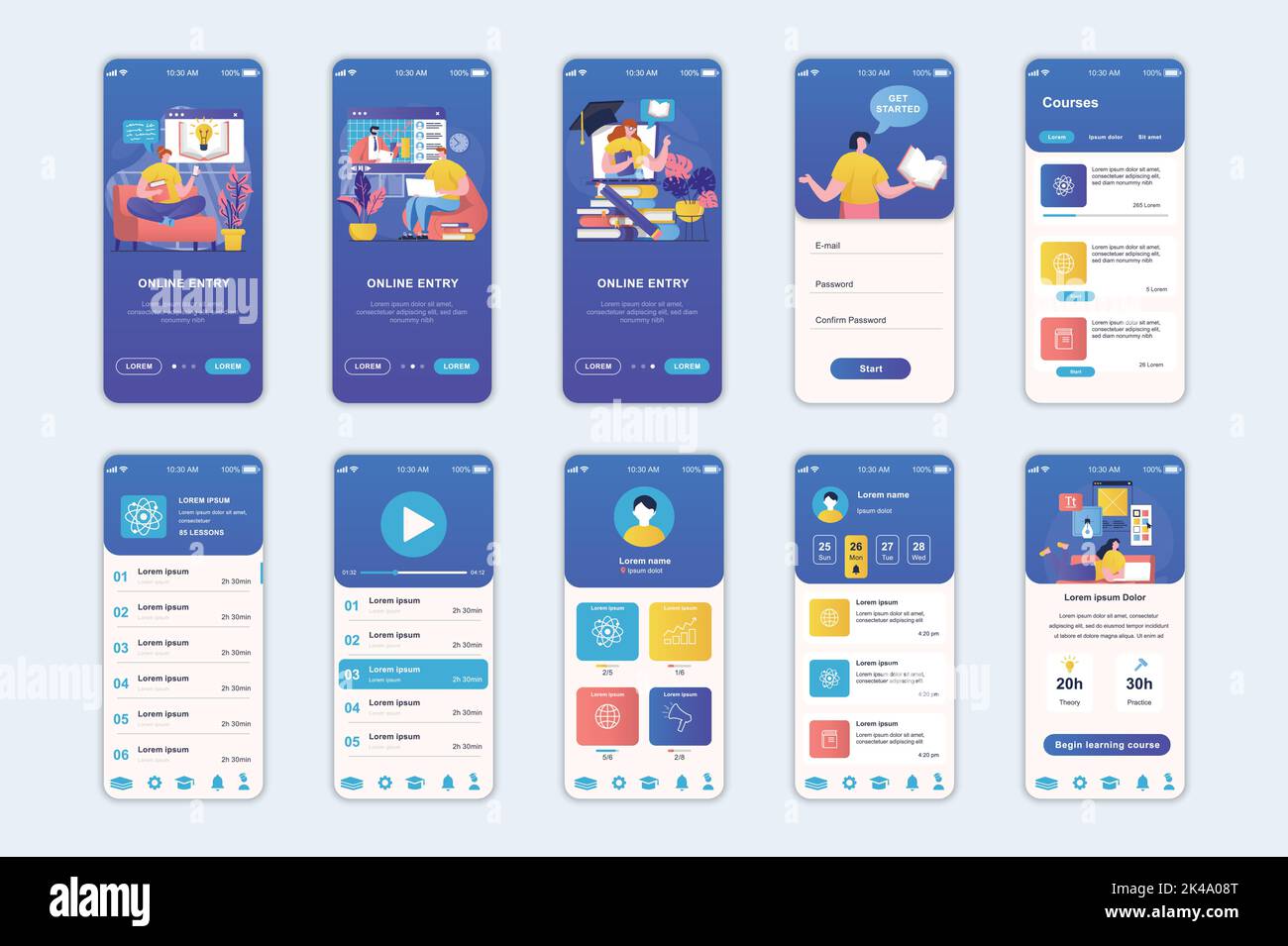
Getting Started with Online Courses
The shift to online learning has become a norm, offering flexibility and accessibility to education. However, this flexibility can sometimes be a double-edged sword, leading to procrastination and decreased motivation. To navigate the world of online courses effectively, it's crucial to establish a solid foundation for learning.
Creating a Conducive Learning Environment
Your learning environment plays a significant role in your ability to focus and retain information. Here are a few practical tips to create a conducive learning space:
- Dedicate a specific area for learning: This helps in establishing a clear boundary between study and leisure time.
- Minimize distractions: Turn off notifications on your phone, log out of social media, and consider using a website blocker for non-essential sites during study hours.
- Invest in good equipment: A comfortable chair, a decent pair of headphones, and a reliable computer can make a significant difference in your learning experience.
Time Management Strategies for Online Courses
Effective time management is critical for the success of online learning. Without a structured schedule, it's easy to fall behind.
Setting Realistic Goals
- Break down your course into manageable chunks: Divide your course material into smaller, manageable sections to avoid feeling overwhelmed.
- Set specific goals for each study session: Knowing what you want to achieve in each session helps maintain focus.
.jpg)
Utilizing a Schedule
- Create a study schedule: Plan out your study sessions in advance, including when and what you will study.
- Prioritize tasks: Focus on the most challenging topics or those that require the most time first.
Active Learning Techniques
Passive learning, such as simply watching videos or reading text, is not the most effective way to retain information. Engaging actively with the material can significantly improve learning outcomes.
Summarization and Self-Quizzing
- Summarize what you've learned: After each study session, summarize the key points in your own words.
- Test yourself: Create flashcards or quizzes to test your understanding of the material.

Engagement through Discussion
- Join online forums or study groups: Engaging with peers can provide new insights and keep you motivated.
- Participate in live sessions: If your course offers live sessions, participate actively by asking questions and contributing to discussions.
Overcoming Common Challenges
Online learners often face unique challenges, such as isolation and technical issues. Here's how to overcome some common hurdles:
Staying Motivated
- Celebrate small victories: Acknowledge and celebrate your progress, no matter how small.
- Find a study buddy: Learning with a friend can increase motivation.
Technical Issues
- Ensure you have the necessary technical skills: Familiarize yourself with the course platform and required software.
- Have a backup plan: Keep your course materials and assignments backed up to avoid loss in case of technical issues.
Comparison of Study Environments
| <strong>Environment Aspect</strong> | <strong>Home Office</strong> | <strong>Public Library</strong> | <strong>Coffee Shop</strong> |
|---|---|---|---|
| Distractions | Moderate | Low | High |
| Comfort | High | Medium | Medium |
| Accessibility | High | Medium | High |
| Cost | $0 | $0 (public) | $5-$10 |
Insights from Successful Online Learners
"The key to successful online learning is to treat it like any other class. Show up, participate, and put in the work. The flexibility of online courses can be a blessing or a curse. Make it work for you, not against you."
Frequently Asked Questions
Q: How can I stay motivated in an online course?
Setting clear goals, celebrating small achievements, and engaging with your peers can help maintain motivation.
Q: What are the best tools for online learning?
The best tools vary depending on the course requirements but generally include a reliable computer, headphones, and software specific to your course.
Q: Can online courses be as effective as traditional classroom learning?
Yes, with the right approach and discipline, online courses can be just as effective, if not more so, due to their flexibility and accessibility.
Q: How do I deal with technical issues in online courses?
Ensure you have the technical prerequisites for your course, have a backup plan for your materials, and don't hesitate to reach out to your course support for help.
Final Tips for Success
Mastering online courses requires discipline, organization, and a proactive approach to learning. By creating a conducive learning environment, managing your time effectively, engaging actively with the material, and overcoming common challenges, you can achieve your educational goals. Remember, the flexibility of online learning is a powerful tool; use it to your advantage by staying focused, motivated, and committed to your success.
