

Mastering the Art of Time Management
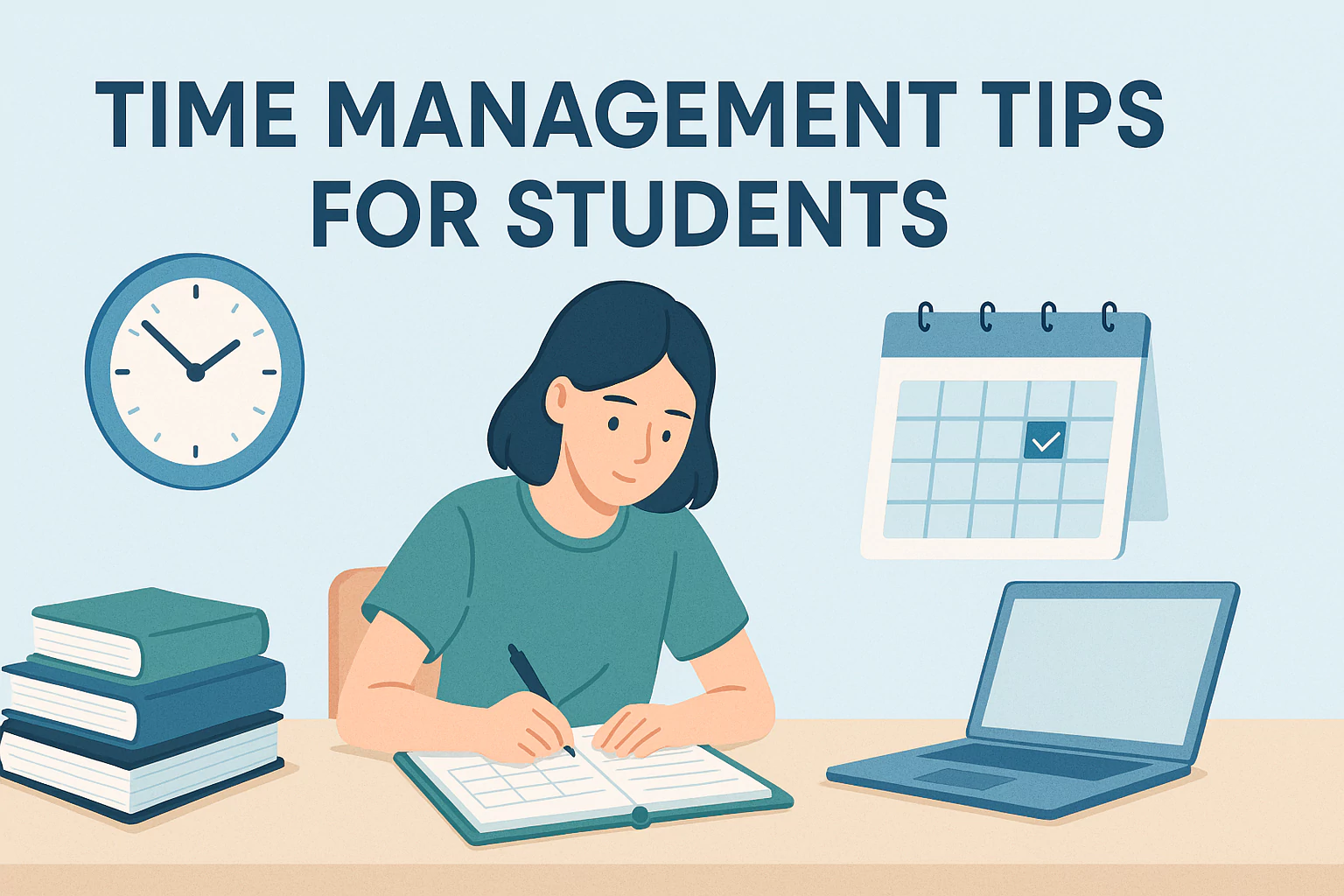
As a student, juggling classes, assignments, and a social life can be overwhelming. Effective time management is crucial to achieving academic success, reducing stress, and maintaining a healthy work-life balance. In this guide, we'll explore practical time management tips and strategies to help students make the most of their time.
Setting Clear Goals
Before diving into time management techniques, it's essential to set clear goals. What do you want to achieve in the short-term and long-term? What are your academic priorities? Write down your goals and make sure they're specific, measurable, achievable, relevant, and time-bound (SMART). For example:
Short-term goal: Complete a research paper within the next two weeks
Long-term goal: Graduate with honors within the next four years
Having clear goals in mind will help you focus on what's important and allocate your time accordingly.
Prioritizing Tasks
Not all tasks are created equal. To manage your time effectively, you need to prioritize tasks based on their urgency and importance. Use the Eisenhower Matrix to categorize tasks into four quadrants:
| <strong>Urgency</strong> | <strong>Importance</strong> | <strong>Action</strong> |
|---|---|---|
| High | High | Do first |
| High | Low | Delegate |
| Low | High | Schedule |
| Low | Low | Eliminate |
Focus on tasks that are both urgent and important, and delegate or eliminate less critical tasks.
Creating a Schedule
A schedule is a powerful tool for managing time. Plan out your day, week, or month, and set realistic goals for what you want to achieve. Use a planner, calendar, or app to stay organized and on track. Be sure to include:
Study sessions
Class times
Assignment deadlines
Break times
Social activities
Avoiding Procrastination
Procrastination is a common pitfall for students. To avoid putting off tasks until the last minute, try the Pomodoro Technique:
- Work in focused 25-minute increments
- Take a 5-minute break
- Repeat for a total of 4-6 cycles
- Take a longer break (30-60 minutes)
This technique can help you stay focused and avoid burnout.
Managing Distractions
Distractions are everywhere, from social media to email notifications. To stay on track, try these strategies:
Turn off notifications during study sessions
Use website blockers or productivity apps
Create a quiet study space
Set aside specific times for checking email or social media
Staying Organized
Staying organized is crucial for effective time management. Use tools like:
A task list or to-do list
A note-taking system
A file organization system
A digital calendar
to keep track of your assignments, notes, and deadlines.

Seeking Help When Needed
Don't be afraid to ask for help when you need it. Reach out to:
Teachers or professors for guidance on assignments or coursework
Classmates or study groups for support and collaboration
Tutors or academic advisors for additional help
Overcoming Time Management Challenges
Time management challenges are inevitable, but there are ways to overcome them. Here are some common obstacles and strategies for overcoming them:
Procrastination
Break tasks into smaller, manageable chunks
Set realistic deadlines and goals
Use the Pomodoro Technique
Distractions
Create a quiet study space
Turn off notifications during study sessions
Use website blockers or productivity apps
Burnout
Take regular breaks
Prioritize self-care activities (exercise, meditation, etc.)
- Set realistic goals and deadlines
Frequently Asked Questions
Q: How can I balance school and social life?
Prioritize your tasks, set realistic goals, and make time for social activities. Use a schedule to stay organized and ensure you have time for both.
Q: What are some effective time management tools for students?
Use a planner, calendar, or app to stay organized. Consider tools like Todoist, Trello, or RescueTime to help you manage your time.
Q: How can I avoid procrastination?
Break tasks into smaller chunks, set realistic deadlines, and use the Pomodoro Technique. Eliminate distractions and create a quiet study space.
Q: What if I'm struggling with a particular assignment or course?
Don't hesitate to ask for help. Reach out to teachers, classmates, or tutors for support and guidance.
Final Tips and Encouragement
Effective time management is a skill that takes practice, but it's worth the effort. By prioritizing tasks, creating a schedule, and avoiding distractions, you can achieve academic success and maintain a healthy work-life balance. Remember to stay flexible, seek help when needed, and be kind to yourself when faced with challenges. With these practical tips and strategies, you'll be well on your way to mastering the art of time management.
Related: Online Side Hustle Ideas: What Actually Makes Sense?
Related: Online Course Creation Platforms: A Practical Guide
Related: Meal Prep Ideas for a Week: What Actually Makes Sense?
