
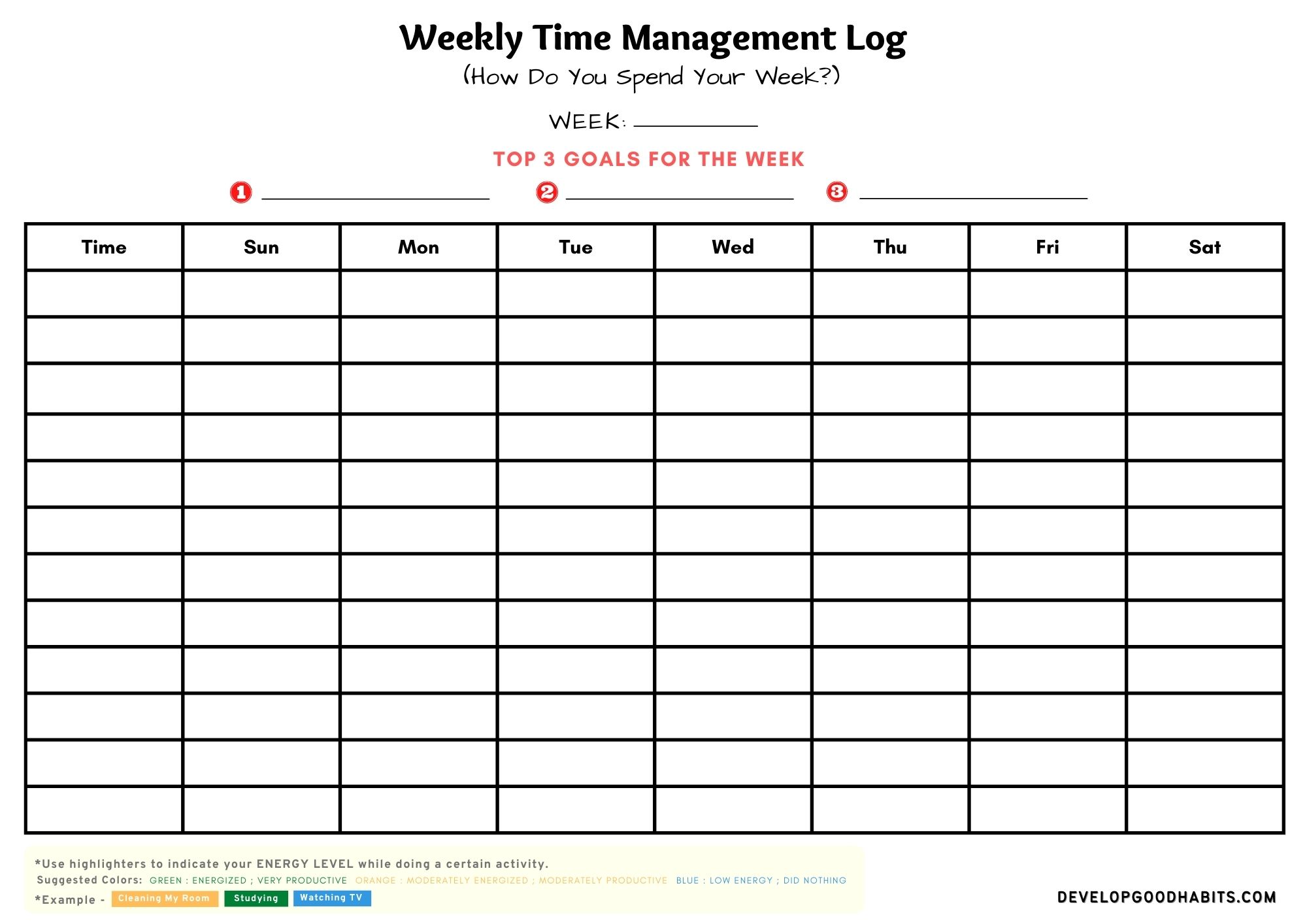
Effective time management is a crucial aspect of maintaining a healthy work-life balance. With the demands of modern life, it's easy to get bogged down in tasks, responsibilities, and distractions. That's where Therapist Aid comes in – a valuable resource offering practical advice and strategies for managing time more efficiently. In this article, we'll explore some actionable time management tips from Therapist Aid, helping you to prioritize tasks, reduce stress, and make the most of your time.
Understanding the Importance of Time Management
time management is more than just a skill; it's a mindset. It's about recognizing that time is a limited resource and making conscious decisions about how to allocate it. Poor time management can lead to increased stress, decreased productivity, and a sense of burnout. On the other hand, effective time management can boost energy levels, improve focus, and create a sense of control over your life.
Setting Goals and Priorities
One of the fundamental principles of time management is setting clear goals and priorities. This involves identifying what's truly important to you and allocating your time accordingly. Therapist Aid recommends using the SMART goal framework:
Specific: Clearly define what you want to achieve
Measurable: Quantify your goals to track progress
Achievable: Ensure your goals are realistic and attainable
Relevant: Align your goals with your values and priorities
Time-bound: Establish deadlines for achieving your goals
By setting SMART goals, you'll be able to focus on what's truly important and allocate your time more effectively.
Time Management Strategies
Therapist Aid offers a range of time management strategies to help you stay on track. Here are a few:
Pomodoro Technique: Work in focused 25-minute increments, followed by a 5-minute break. This technique can help you stay focused and avoid burnout.
Time blocking: Schedule large blocks of uninterrupted time to focus on critical tasks. This strategy can help you make significant progress on important projects.
The Eisenhower Matrix: Categorize tasks into urgent vs. important and focus on the most critical ones first. This decision-making tool can help you prioritize tasks more effectively.
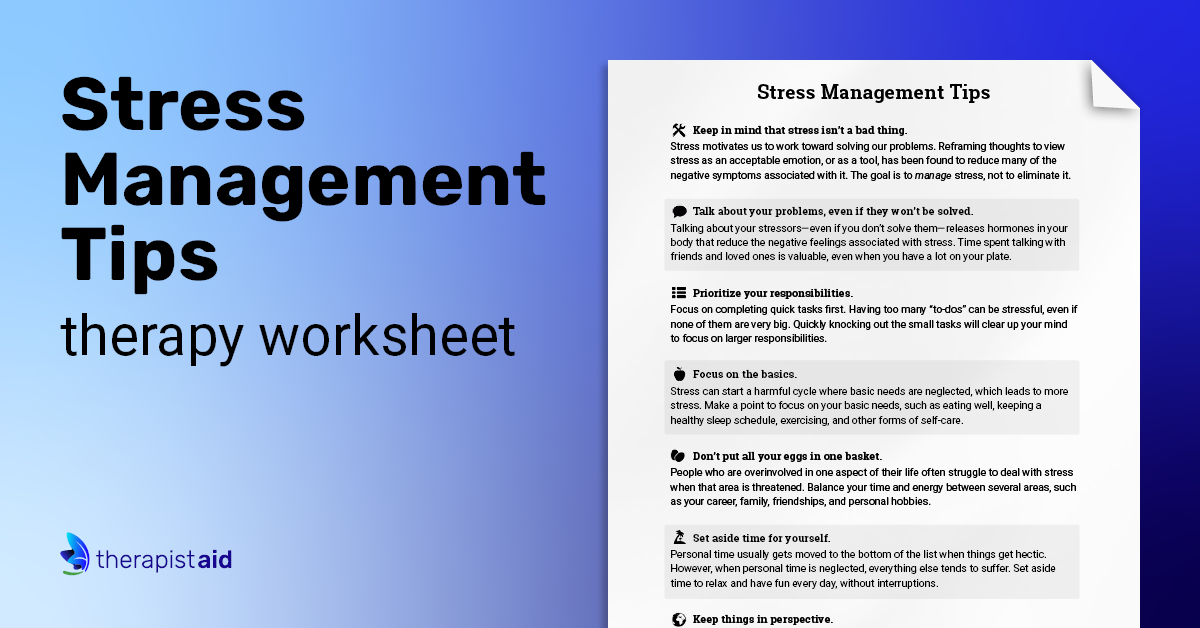
Avoiding Distractions and Procrastination
Distractions and procrastination are two of the biggest obstacles to effective time management. Therapist Aid suggests several strategies to overcome these challenges:
Minimize digital distractions: Turn off notifications, log out of social media, and consider using website blockers to stay focused.
Break tasks into smaller steps: Divide large tasks into manageable chunks to reduce feelings of overwhelm and increase motivation.
Use the "2-minute rule": If a task can be done in less than 2 minutes, do it immediately. This strategy can help you avoid procrastination and get more done in less time.
Managing Stress and Burnout
Effective time management is not just about getting more done; it's also about maintaining a healthy work-life balance. Therapist Aid emphasizes the importance of self-care and stress management:
Take regular breaks: Take short breaks throughout the day to recharge and reduce stress.
Prioritize self-care: Make time for activities that bring you joy and relaxation, such as exercise, meditation, or spending time with loved ones.
Set realistic boundaries: Learn to say "no" to non-essential tasks and maintain a healthy work-life balance.
Putting it all Together
Effective time management is a personal and ongoing process. It requires patience, self-awareness, and a willingness to adapt. By incorporating these strategies from Therapist Aid into your daily routine, you'll be better equipped to manage your time, reduce stress, and achieve your goals.
Time Management Comparison Table
| Strategy | Description | Benefits |
|---|---|---|
| Pomodoro Technique | Work in focused 25-minute increments | Improved focus, reduced burnout |
| Time blocking | Schedule large blocks of uninterrupted time | Increased productivity, reduced distractions |
| Eisenhower Matrix | Categorize tasks into urgent vs. important | Better prioritization, reduced stress |
"The key to effective time management is not to be more productive, but to be more intentional." – Therapist Aid
Time Management Checklist
Set SMART goals
Prioritize tasks using the Eisenhower Matrix
Use the Pomodoro Technique to stay focused
Take regular breaks to reduce stress
- Prioritize self-care and maintain a healthy work-life balance
Frequently Asked Questions
Q: What is the most effective time management strategy?
The most effective time management strategy is one that works for you and your unique situation. Experiment with different techniques, such as the Pomodoro Technique, time blocking, or the Eisenhower Matrix, to find what works best.
Q: How can I avoid procrastination?
Break tasks into smaller steps, use the "2-minute rule," and minimize digital distractions to avoid procrastination.
Q: What is the importance of self-care in time management?
Self-care is essential for maintaining a healthy work-life balance and reducing stress. Prioritize activities that bring you joy and relaxation.
Q: How can I stay motivated and focused?
Set clear goals, use positive self-talk, and celebrate small wins to stay motivated and focused.
Final Thoughts
Effective time management is a journey, not a destination. It requires effort, patience, and a willingness to adapt. By incorporating these strategies from Therapist Aid into your daily routine, you'll be better equipped to manage your time, reduce stress, and achieve your goals. Remember to prioritize self-care, stay focused, and celebrate your successes along the way. With time and practice, you'll become a master of time management, achieving a better work-life balance and living a more fulfilling life.
