

A Practical Guide to Choosing the Best Platform for Online Courses
Understanding Your Needs
Creating and selling online courses has become a lucrative way to share knowledge, build authority, and generate income. With numerous platforms available, choosing the right one can be overwhelming. Before diving into the specifics of each platform, it's essential to understand your needs. What type of content do you want to create? Who is your target audience? What are your technical skills? Knowing the answers to these questions will help you make an informed decision.
Platform Overview
The most popular platforms for online courses are Udemy, Teachable, Kajabi, and Thinkific. Each has its strengths and weaknesses, which we'll explore in detail.
Udemy
Udemy is one of the largest and most established online course marketplaces. With over 300 million students, it's an attractive platform for reaching a broad audience. Udemy offers a range of features, including course creation tools, a user-friendly interface, and built-in marketing and promotion.
However, Udemy's business model has some drawbacks. The platform takes a significant commission on course sales, and instructors have limited control over pricing and course content. Additionally, with so many courses available, competition can be fierce.
Teachable
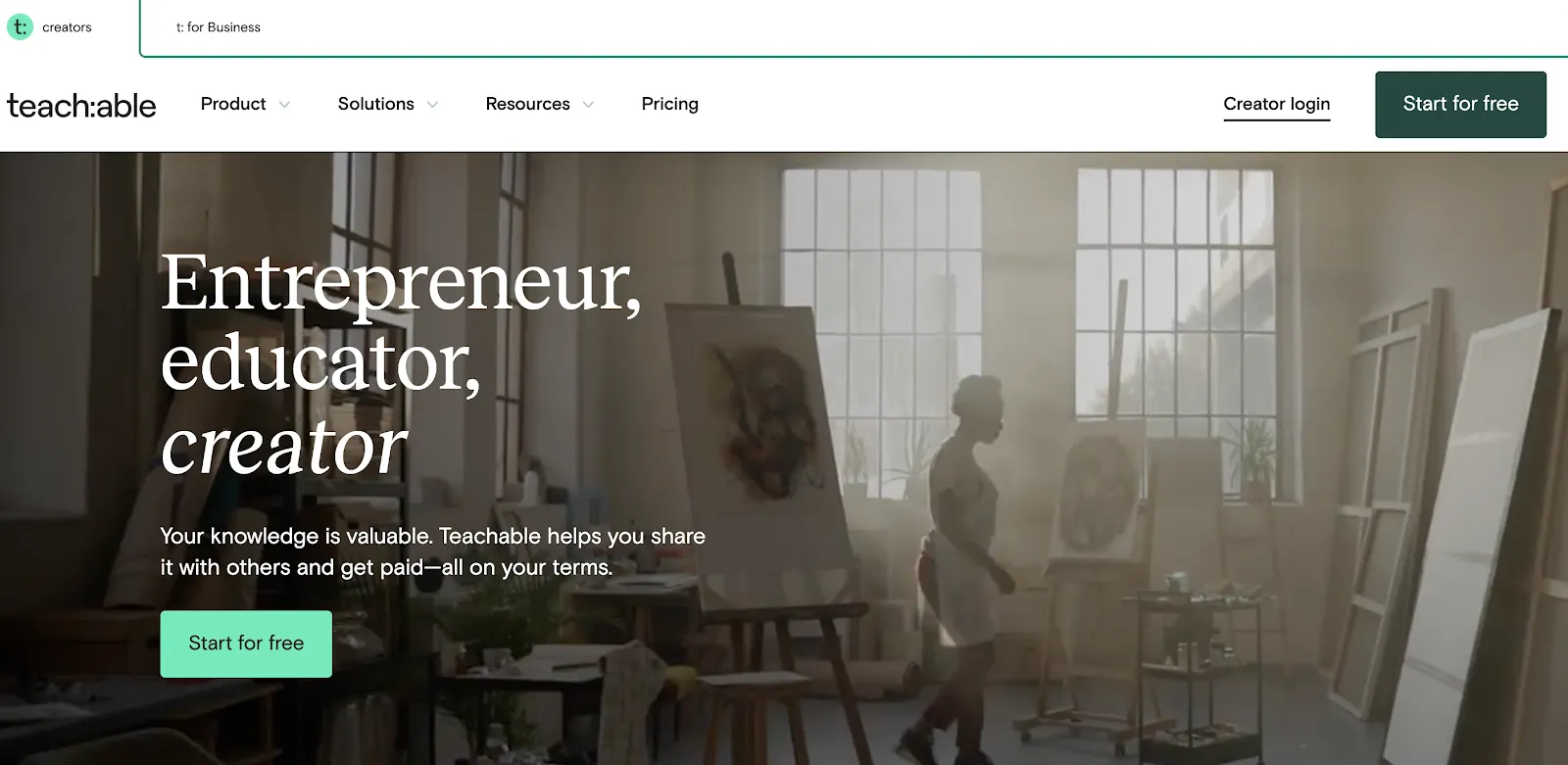
Teachable is a popular platform for creating and selling online courses, with a focus on ease of use and customization. It offers a range of features, including course creation tools, customizable templates, and integrated payment processing.
Teachable's business model is more flexible than Udemy's, with instructors able to set their own prices and retain control over course content. However, Teachable charges a transaction fee, which can eat into profits.
Kajabi
Kajabi is an all-in-one platform for creating and selling online courses, with a focus on marketing and sales. It offers a range of features, including course creation tools, customizable templates, and integrated marketing and sales tools.
Kajabi's business model is more comprehensive than Teachable's, with a focus on helping instructors create and sell high-ticket courses. However, Kajabi is more expensive than Teachable, with a higher monthly fee.
Thinkific
Thinkific is a popular platform for creating and selling online courses, with a focus on ease of use and customization. It offers a range of features, including course creation tools, customizable templates, and integrated payment processing.
Thinkific's business model is similar to Teachable's, with instructors able to set their own prices and retain control over course content. However, Thinkific offers more advanced features, including course bundles and subscriptions.
Comparison Table
| Platform | Commission/Fees | Customization | Marketing and Sales | Target Audience |
|---|---|---|---|---|
| Udemy | 50% commission | Limited | Built-in | Mass market |
| Teachable | 5% transaction fee | High | Basic | Entrepreneurs, small businesses |
| Kajabi | $99-$399/month | High | Advanced | Coaches, consultants, experts |
| Thinkific | $0-$49/month | High | Basic | Entrepreneurs, small businesses |
"The key to success on any online course platform is to understand your target audience and create content that resonates with them." - Online course creator
Choosing the Right Platform
When choosing an online course platform, consider the following factors:
Target audience: Who is your ideal student? Different platforms cater to different audiences.
Content type: What type of content do you want to create? Some platforms are better suited for video content, while others support text-based courses.
Technical skills: How comfortable are you with technology? Some platforms are more user-friendly than others.
Pricing and fees: What are the costs associated with each platform? Consider commission fees, transaction fees, and monthly subscriptions.
Customization and control: How much control do you want over course content and design?
Practical Considerations
When creating and selling online courses, practical considerations can make a big difference. Here are a few tips:
Use high-quality equipment: Invest in good camera equipment and editing software to ensure professional-looking video content.
Create engaging content: Use storytelling techniques, interactive elements, and clear instructions to keep students engaged.
Market and promote: Use social media, email marketing, and paid advertising to reach your target audience.
Trust and Credibility
When choosing an online course platform, trust and credibility are essential. Look for platforms with:
Strong customer support: Responsive support teams can help you resolve issues quickly.
Secure payment processing: Ensure that the platform uses secure payment processing to protect student data.
- Good reputation: Research the platform's reputation online, reading reviews and testimonials from other instructors.
FAQs
What is the best platform for online courses?
The best platform for online courses depends on your specific needs and goals. Consider factors like target audience, content type, and technical skills when choosing a platform.
How do I create a successful online course?
Creating a successful online course requires understanding your target audience, creating engaging content, and marketing and promoting your course effectively.
Can I sell courses on multiple platforms?
Yes, you can sell courses on multiple platforms, but consider the commission fees and terms of each platform.
How do I ensure the quality of my online course?
Ensure the quality of your online course by using high-quality equipment, creating engaging content, and testing and refining your course before launch.
Final Considerations
Choosing the best platform for online courses requires careful consideration of your needs, goals, and target audience. By understanding the strengths and weaknesses of each platform, you can make an informed decision and create a successful online course. Remember to focus on creating high-quality content, marketing and promoting your course effectively, and providing excellent customer support. With the right platform and strategy, you can build a loyal audience and generate significant income.
Related: Free Designing Tools Online
Related: 5 Useful Things to Know About Free Checklist Apps for PC
Related: 5 Useful Things to Know About Finding the Best Website
