
Setting Realistic Expectations
When it comes to event planning, setting a realistic budget is crucial. It's easy to get carried away with grandiose ideas, but the harsh reality is that overspending can lead to financial stress and a decreased return on investment. A well-planned budget ensures that your event is both memorable and financially sustainable.
Consider the following scenario: you're planning a corporate conference for 100 attendees. You've allocated $10,000 for venue rental, catering, and entertainment. However, upon closer inspection, you realize that you can reduce costs by opting for an off-peak season venue and a more modest catering option. By making these adjustments, you can save $2,000 without compromising the overall experience.
Understanding Your Event Goals
Before diving into the nitty-gritty of budgeting, it's essential to define your event goals. What is the purpose of your event? Who is your target audience? What type of experience do you want to create? Answering these questions will help you prioritize your spending and allocate resources effectively.
For instance, if you're hosting a charity gala, your primary goal might be to raise funds for a specific cause. In this case, you may want to focus on securing high-profile sponsors and donors, rather than splurging on extravagant decorations.
Budget Allocation Strategies
When it comes to allocating your event budget, consider the following general guidelines:
Venue rental and catering: 40-50%
Entertainment and programming: 20-30%
Marketing and promotion: 15-25%
Audio-visual and technical equipment: 5-10%
Miscellaneous (gifts, decorations, etc.): 5-10%
Keep in mind that these are rough estimates, and your specific allocation will depend on your event goals and priorities.
Cost-Saving Strategies
There are several ways to save money without sacrificing the quality of your event:
Venue Selection
Consider off-peak season or weekday events to reduce venue rental costs
Look for venues that offer all-inclusive packages (catering, audio-visual, etc.)
Negotiate with the venue to see if they can offer any discounts or perks
Catering
Opt for a food truck or family-style service instead of a traditional sit-down dinner
Choose a catering option that offers a price-per-head model
Consider having a dessert reception or brunch event, which can be less expensive than a full dinner
Entertainment
Hire local talent or up-and-coming artists, who may charge lower fees than established performers
Consider having a DIY entertainment option, such as a photo booth or lawn games
Negotiate with the performer or entertainment company to see if they can offer any discounts
Real-World Example: A Budget-Friendly Wedding
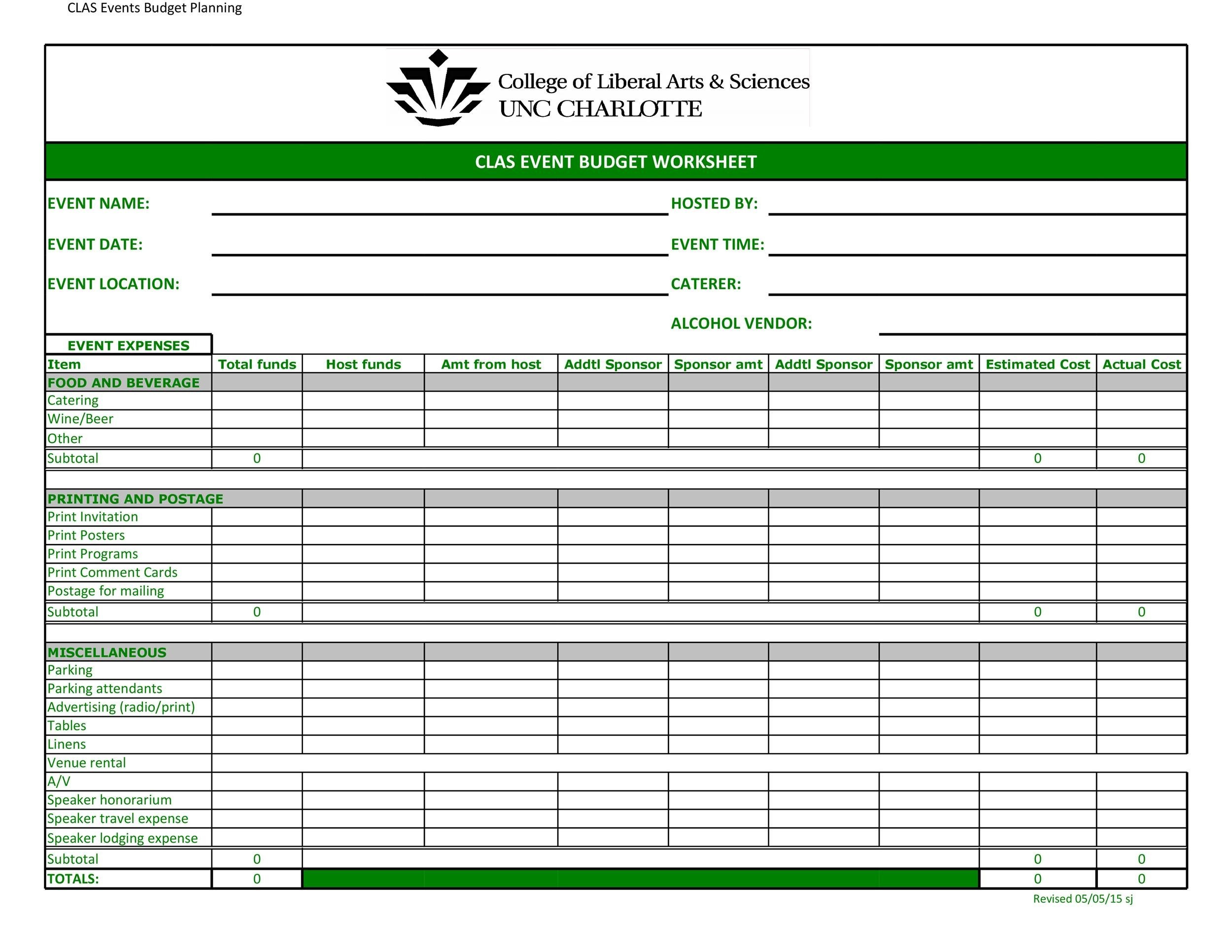
Let's say you're planning a wedding with 50 guests. You've allocated $10,000 for the entire event. Here's a possible breakdown:
Venue rental: $2,000 (a small, family-owned venue with a beautiful garden)
Catering: $3,000 (a food truck with a variety of options)
Entertainment: $1,000 (a local musician playing acoustic guitar)
Marketing and promotion: $1,000 (social media ads and invitations)
Miscellaneous: $2,000 (gifts, decorations, etc.)
By prioritizing your spending and making smart choices, you can have a beautiful and memorable wedding without breaking the bank.
Common Event Planning Mistakes
When planning an event on a budget, it's easy to make costly mistakes. Here are a few common pitfalls to avoid:
Not setting a realistic budget from the start
Not prioritizing your spending based on event goals
Not negotiating with vendors and suppliers
- Not having a contingency plan in case of unexpected expenses
Event Planning on a Shoestring Budget: FAQs
Q: How do I plan an event with no budget?
While it's ideal to have some budget allocated for events, you can still plan a successful event with no budget. Consider free or low-cost venues, DIY entertainment, and volunteer help.
Q: What is a good budget for an event?
A good budget for an event depends on the specific goals and scope of the event. As a general rule, allocate 10-20% of your overall budget for events.
Q: How do I plan a corporate event on a budget?
When planning a corporate event on a budget, prioritize your spending based on event goals. Consider having the event during off-peak season, opting for a more modest catering option, and negotiating with vendors.
Trust the Process
Planning an event on a budget requires creativity, flexibility, and a willingness to take calculated risks. By setting realistic expectations, understanding your event goals, and allocating resources effectively, you can create an unforgettable experience without breaking the bank. Remember to stay focused on what's truly important – your attendees, your message, and your desired outcome.
Closing Thoughts
Budget-friendly event planning is all about making smart choices and prioritizing your spending. With a little creativity and a lot of planning, you can create an event that exceeds your attendees' expectations without exceeding your budget. By following these tips and strategies, you'll be well on your way to hosting a successful and memorable event that leaves a lasting impression.
Related: What to Know About Side Hustle Ideas in Australia
Related: Profitable Online Business Ideas with Low Competition
Related: Side Hustle Ideas in India: What Actually Makes Sense?
