
What to Know About Crafting a Winning Content Strategy Calendar
Planning for Success: The Importance of a Content Strategy Calendar
As a content marketer, you're likely no stranger to the chaos that can ensue when trying to manage multiple content pieces across various channels. A content strategy calendar can be a lifesaver in these situations, helping you organize, prioritize, and execute your content marketing efforts with ease. But what makes a content strategy calendar effective, and how can you create one that truly drives results?
Understanding Your Content Goals and Objectives
Before you start building your content strategy calendar, it's essential to define your content goals and objectives. What do you want to achieve through your content marketing efforts? Are you looking to increase website traffic, generate leads, or boost engagement on social media? Having a clear understanding of your goals will help you create a calendar that aligns with your overall marketing strategy.
For example, let's say you're a marketing manager for a fashion e-commerce brand, and your goal is to increase website traffic by 20% within the next six months. Your content strategy calendar should focus on creating content that drives traffic, such as blog posts, social media content, and email newsletters.
Choosing the Right Tools and Templates
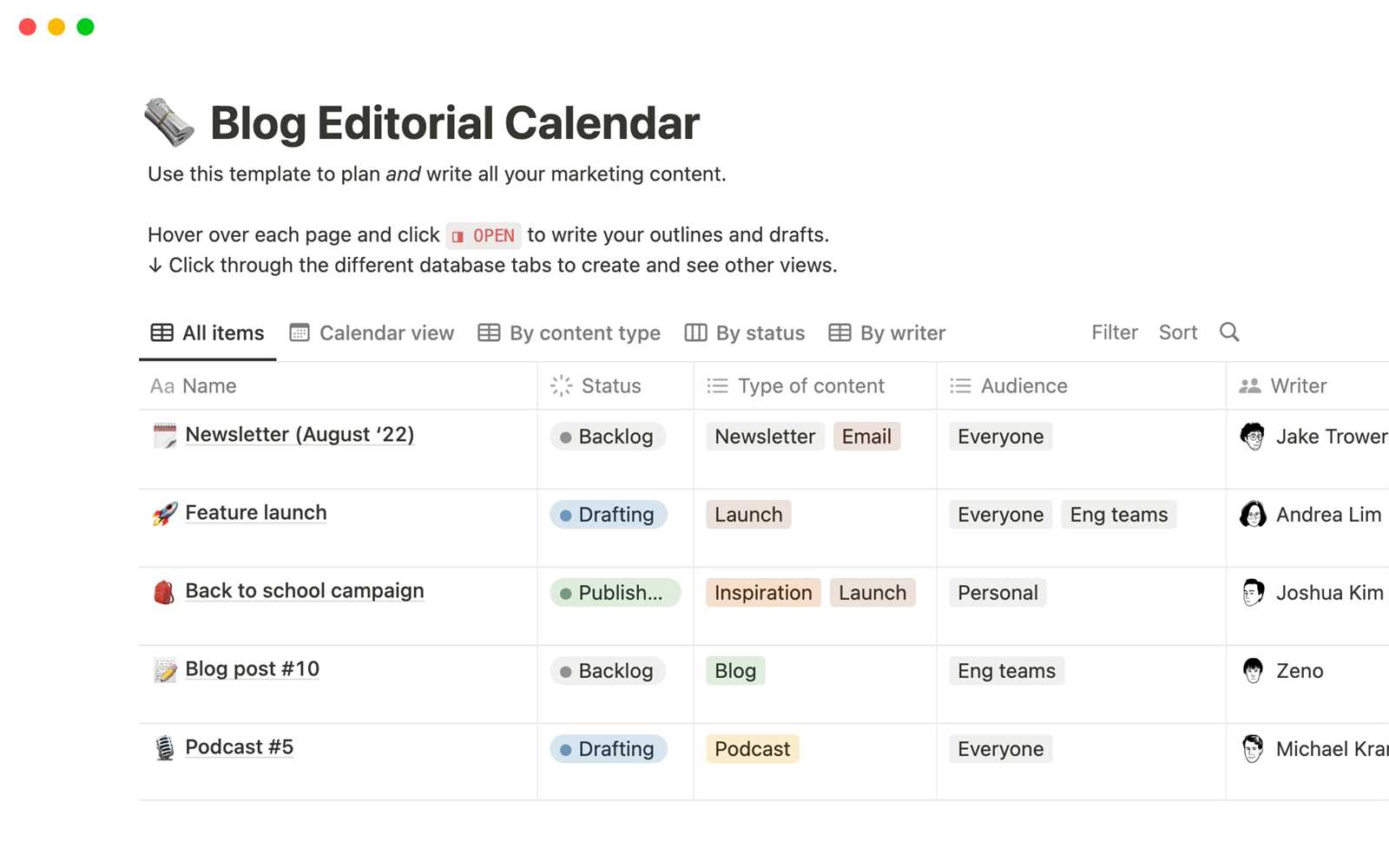
When it comes to creating a content strategy calendar, there are numerous tools and templates available. You can use a simple spreadsheet, a project management tool like Asana or Trello, or a dedicated content calendar platform like CoSchedule or Content Blossom. The key is to choose a tool that works for you and your team.
Here's a quick comparison of some popular content calendar tools:
| Tool | Features | Pricing |
|---|---|---|
| Google Sheets | Simple, collaborative, and customizable | Free |
| Asana | Project management features, task assignments, and deadlines | $0 - $50/month |
| CoSchedule | Dedicated content calendar platform, team collaboration, and analytics | $29 - $299/month |
Building Your Content Strategy Calendar
Now that you've defined your goals and chosen your tool, it's time to start building your content strategy calendar. Here are some practical tips to get you started:
Identify your content themes: Determine the topics and themes that align with your goals and objectives. For example, if you're a fashion e-commerce brand, your content themes might include style tips, product showcases, and behind-the-scenes stories.
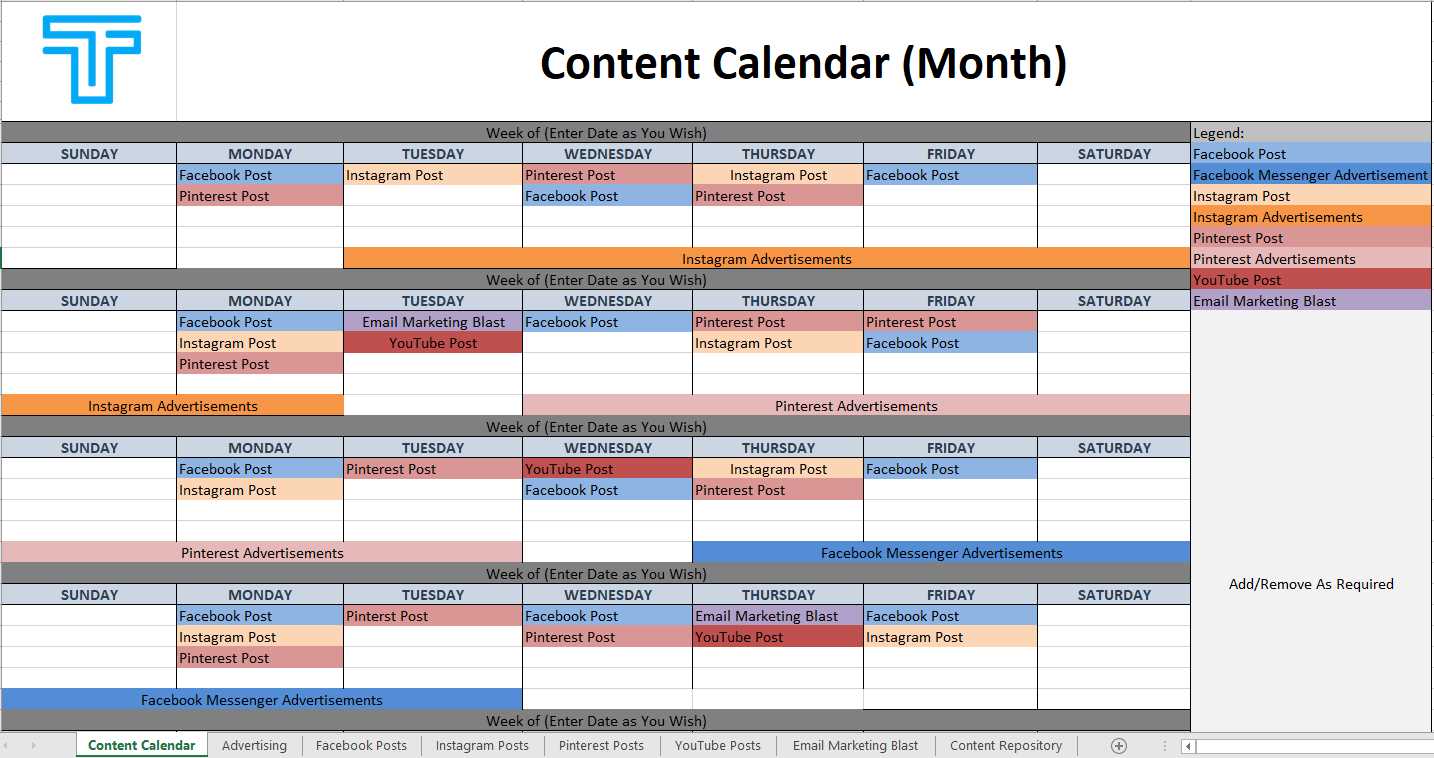
Create a content matrix: Develop a matrix that outlines your content themes, formats, and channels. This will help you visualize your content strategy and ensure that you're covering all your bases.
Assign tasks and deadlines: Once you have your content matrix in place, start assigning tasks and deadlines to your team members. Make sure to include all relevant details, such as word counts, image requirements, and publishing dates.
Balancing Content Types and Channels
A successful content strategy calendar should include a mix of content types and channels. Here are some examples of content types and channels to consider:
Blog posts: In-depth articles that showcase your expertise and drive traffic to your website.
Social media content: Short-form posts, images, and videos that engage your audience and drive brand awareness.
Email newsletters: Regular newsletters that keep your subscribers informed and up-to-date on your latest news and offers.
Video content: Product demos, explainer videos, and behind-the-scenes footage that showcase your brand's personality.
Measuring Success and Making Adjustments
Finally, it's essential to measure the success of your content strategy calendar and make adjustments as needed. Here are some key metrics to track:
Website traffic: Monitor your website traffic to see how your content is driving visitors to your site.
Engagement: Track engagement metrics, such as likes, comments, and shares, to see how your audience is responding to your content.
Lead generation: Monitor lead generation metrics, such as form submissions and email sign-ups, to see how your content is driving conversions.
FAQs
Here are some frequently asked questions about content strategy calendars:
Q: What is a content strategy calendar, and why do I need one? A content strategy calendar is a plan that outlines your content marketing efforts across various channels. It helps you organize, prioritize, and execute your content strategy, ensuring that you're driving results and achieving your goals.
Q: How often should I update my content strategy calendar?
You should update your content strategy calendar regularly, ideally on a monthly or quarterly basis. This will help you stay on track, adjust to changes in your industry, and ensure that your content remains relevant and effective.
- Q: What are some common mistakes to avoid when creating a content strategy calendar?
Some common mistakes to avoid include failing to define your goals and objectives, not choosing the right tools and templates, and not balancing content types and channels. Additionally, make sure to track your metrics and adjust your calendar as needed.
Putting it All Together: A Winning Content Strategy Calendar
Creating a winning content strategy calendar takes time and effort, but the payoff is well worth it. By defining your goals and objectives, choosing the right tools and templates, building a comprehensive calendar, balancing content types and channels, and measuring success, you'll be well on your way to driving results and achieving your content marketing goals. Remember to stay flexible, adjust to changes in your industry, and continually evaluate and improve your content strategy calendar. With these tips and insights, you'll be able to create a content strategy calendar that truly drives success.
Related: A Practical Guide to Low Competition Online Business Ideas
Related: A Practical Guide to Low Competition Online Business Ideas
Related: Small Business Ideas in Trinidad: What Actually Makes Sense?
