

A late payment can be more than just a minor setback for businesses; it can strain customer relationships and tarnish a company's reputation. When a payment delay occurs, a well-crafted apology message can be a crucial step in mitigating damage and preserving trust. In this article, we'll explore the importance of a sincere apology for late payments, discuss key elements to include, and provide practical examples to help you write your own.
Understanding the Impact of Late Payments
Late payments are more than just a financial hiccup; they can have a ripple effect on your business relationships. Customers expect timely transactions, and delays can lead to frustration and doubt about your company's reliability. An apology message for a late payment serves as a first step in addressing the issue, showing that you acknowledge the inconvenience caused and are committed to making it right.
Key Elements of an Effective Apology Message
When crafting an apology message for a late payment, several key elements should be included to ensure it is well-received:
- Acknowledgment of the delay: Recognize that a delay occurred and take responsibility.
- Apology: Offer a sincere apology for the inconvenience caused.
- Explanation: Provide a brief explanation for the delay, without making excuses.
- Solution: Outline the steps being taken to rectify the situation and prevent future delays.
- Reaffirmation of commitment: Reaffirm your commitment to the customer and the relationship.
Writing Your Apology Message
The tone of your apology message should be sincere, professional, and customer-centric. Here's a simple structure you can follow:
- Start with a sincere apology: Begin your message by apologizing for the delay. Acknowledge the customer's time and the inconvenience caused.
Example:
"Dear [Customer's Name], I am writing to apologize sincerely for the delay in processing your payment. Your time is valuable, and we understand that delays can cause inconvenience."
- Provide a brief explanation: Offer a concise explanation for the delay. Be honest but avoid making excuses.
Example:
"The delay was caused by an unexpected issue with our payment processing system. We are taking immediate action to resolve the issue and prevent such delays in the future."
- Outline the solution: Explain the steps you are taking to rectify the situation. If a new payment schedule is in place, communicate that clearly.
Example:
"We are expediting your payment processing and anticipate that it will be completed by [specific date]. We will notify you once the payment has been processed successfully."
- Reaffirm your commitment: Close your message by reaffirming your commitment to the customer and your business relationship.
Example:
"Thank you for your patience and understanding. We value our relationship with you and are committed to providing the best possible service moving forward."
Examples of Apology Messages for Late Payments
Example 1: For a One-Time Delay
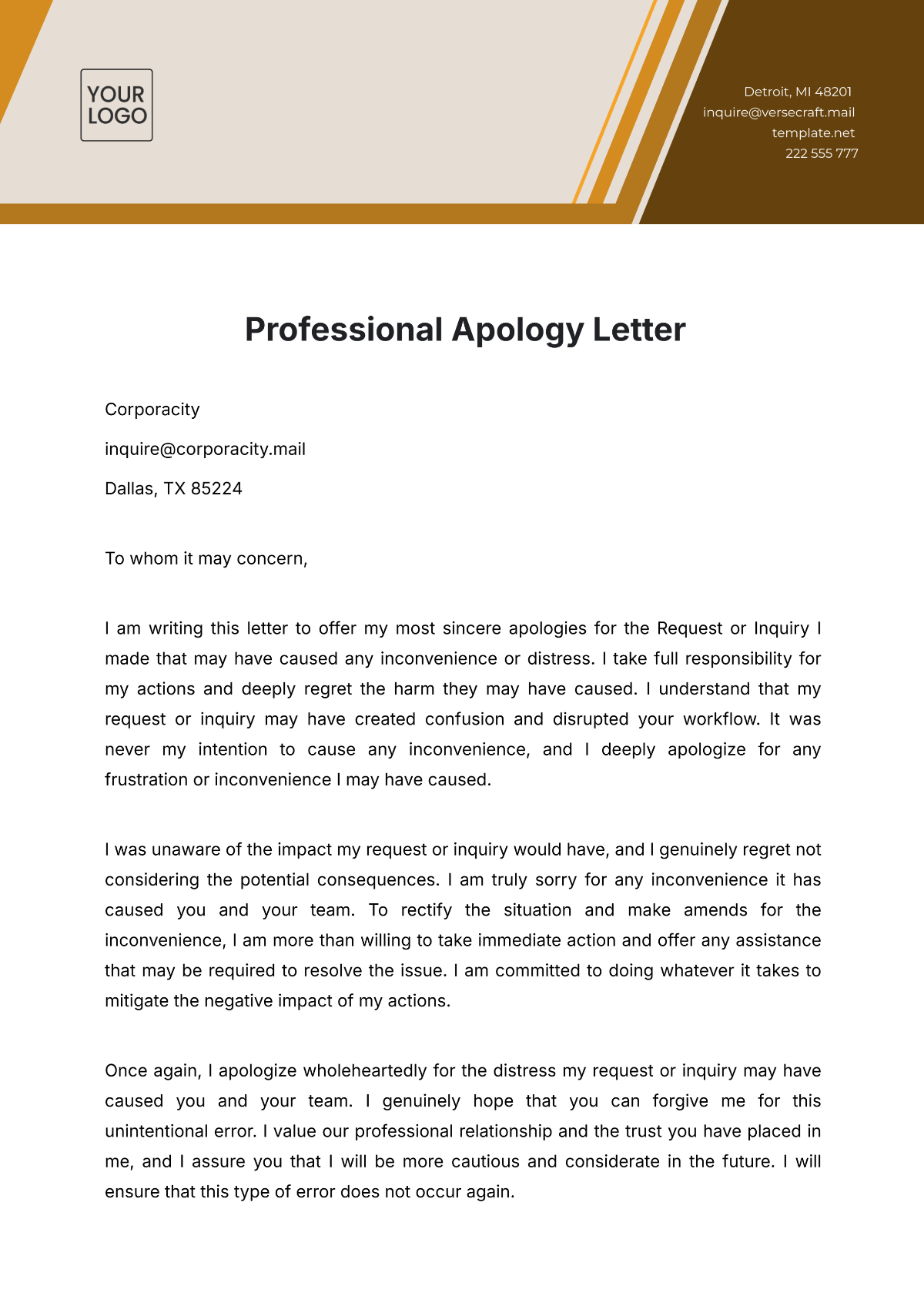
"Dear [Customer's Name],
I am writing to apologize for the delay in your recent payment. We understand the importance of timely transactions and regret any inconvenience this has caused.
The delay was due to an internal processing error, which we are rectifying. Your payment will be processed by [date].
Thank you for your understanding and continued partnership.
Best regards,
[Your Name]"
Example 2: For Recurring Payments
"Dear [Customer's Name],
We are reaching out to apologize for the recent delays in your monthly payments. We know how crucial it is to receive payments on schedule.
We are implementing new procedures to ensure timely payments moving forward. Your account will be updated shortly, and you will receive a notification once the payment has been processed.
If you have any questions or concerns, please do not hesitate to contact us.
Sincerely,
[Your Name]"
Preventing Future Delays
While apologizing for a late payment is crucial, preventing future delays is equally important. Here are some strategies to help minimize the risk of payment delays:
- Streamline your payment processing: Regularly review and improve your payment processing systems to reduce errors and inefficiencies.
- Communicate proactively: Keep customers informed about any potential delays or issues that might affect their payments.
- Set realistic deadlines: Ensure that your payment deadlines are realistic and achievable, considering your processing time and potential obstacles.
Maintaining Customer Relationships After a Late Payment
After a late payment, maintaining a positive relationship with your customer is vital. Here are some tips:
- Follow up: After resolving the issue, follow up with the customer to ensure they are satisfied with the outcome.
- Offer solutions for future issues: Propose solutions or alternatives that could prevent similar issues in the future.
- Show appreciation: Express gratitude for the customer's understanding and continued business.
FAQs
Q: How soon should I send an apology message after a late payment?
You should send an apology message as soon as possible after realizing the payment delay. Prompt communication shows that you are proactive and concerned about the customer's experience.
Q: What if I'm not sure why the payment was delayed?
If the cause of the delay is unclear, it's still important to apologize and commit to finding a solution. You can say something like, "We are investigating the cause of the delay and will provide an update soon."
Q: Should I offer compensation for a late payment?
Depending on the situation and your relationship with the customer, offering compensation (like a discount on the next service or a small fee waiver) can be a gesture of goodwill.
Q: How can I prevent payment delays in the future?
Regularly review your payment processing systems, communicate proactively with customers about potential delays, and set realistic deadlines to minimize the risk of future delays.
Closing
A simple apology message for a late payment is more than just a nicety; it's a critical component of maintaining healthy customer relationships and preserving your business's reputation. By acknowledging the delay, apologizing sincerely, explaining the cause, outlining solutions, and reaffirming your commitment, you can turn a potentially negative situation into a demonstration of your company's integrity and customer-centric approach.
Related: 5 Useful Things to Know About Crafting Excuse Messages for
Related: What to Know About Affordable Online Side Hustle Ideas
Related: Streamline Your Business with Free Small Business Templates
Related: A Practical Guide to Popular Business Ideas in 2024
Related: Boosting Online Course Sales: 15 Marketing Tips for Success
