

Understanding the Allure of Low Competition Online Business Ideas
The digital landscape is crowded, with countless entrepreneurs and businesses vying for attention online. However, within this vast expanse, there exist niches and opportunities that are relatively untapped. These low competition online business ideas can offer a refreshing alternative to the saturated markets that dominate search engine results and social media feeds.
For anyone looking to establish an online presence, whether as a side hustle or a full-time venture, identifying and capitalizing on these niches can be incredibly rewarding. Not only can you establish a profitable online business, but you can also do so with less effort and resources compared to trying to compete in crowded markets.
Identifying Low Competition Niches
The first step in finding a profitable low competition online business idea is to identify niches that have relatively low competition but still offer significant demand. Here are some strategies to help you find these hidden gems:
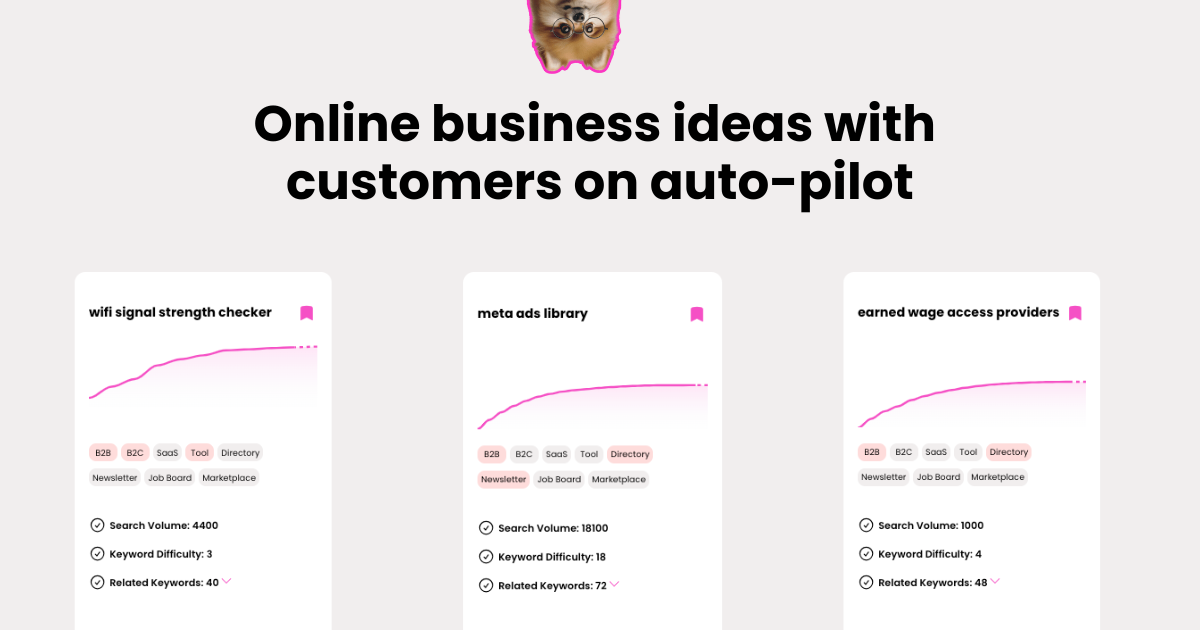
- Use keyword research tools: Tools like Google Keyword Planner, Ahrefs, and SEMrush can help you identify keywords and phrases with low competition but high search volume. For instance, if you're interested in the health and wellness niche, you might find that "vegan meal planning for beginners" has lower competition compared to the broader term "vegan recipes."
- Analyze online communities: Platforms like Reddit, Quora, and Facebook groups can provide insights into what people are talking about and what problems they're trying to solve. By engaging with these communities, you can identify gaps in the market that your business can fill.
- Look for emerging trends: Keeping an eye on emerging trends and technologies can help you identify low competition niches. For example, the rise of sustainable living has created opportunities for businesses focused on eco-friendly products and practices.
Evaluating the Profit Potential of Low Competition Niches
Not all low competition niches are created equal. It's crucial to evaluate the profit potential of a niche before diving in. Here are some factors to consider:
- Monetization opportunities: Can you sell products, offer services, or generate revenue through advertising or affiliate marketing? For example, a blog about budget travel could generate revenue through affiliate marketing, sponsored content, and selling digital travel guides.
- Customer willingness to pay: Are people willing to pay for solutions or products within this niche? If so, how much are they willing to pay? This will help you determine the potential revenue streams for your business.
- Competition from established players: Even if a niche has low competition, established players can still pose a threat. Evaluate their strengths and weaknesses to understand how you can differentiate your business.
Low Competition Online Business Ideas
Here are some low competition online business ideas that have the potential to be profitable:
Digital Product Creation
Creating and selling digital products, such as ebooks, courses, and software, can be a lucrative online business idea. With platforms like Gumroad and Teachable, it's easier than ever to create and distribute digital products.
Niche Affiliate Marketing
Affiliate marketing involves promoting other people's products and earning a commission on sales. By focusing on a specific niche, you can build a targeted audience and promote products that are relevant to their interests.
Online Coaching or Consulting
If you have expertise in a particular area, you can offer online coaching or consulting services. Platforms like Zoom and Skype make it easy to connect with clients remotely.
E-commerce Store with a Twist
Starting an e-commerce store is a popular online business idea, but adding a twist can help you stand out. For example, you could focus on sustainable products, products for a specific demographic, or products that solve a particular problem.
Practical Steps to Launch Your Online Business
Launching a successful online business requires careful planning and execution. Here are some practical steps to get you started:
- Conduct market research: Understand your target audience, their needs, and the competition.
- Create a business plan: Outline your goals, strategies, and financial projections.
- Build a professional website: Your website is often the first impression people have of your business, so make sure it's professional and user-friendly.
- Develop a marketing strategy: Determine how you'll attract and engage with your target audience.
Common Mistakes to Avoid
When starting an online business, it's easy to get caught up in the excitement and overlook potential pitfalls. Here are some common mistakes to avoid:
- Lack of market research: Not understanding your target audience and the competition can lead to a business that doesn't meet the needs of your market.
- Poor website design: A poorly designed website can drive visitors away and harm your credibility.
- Inconsistent marketing: Failing to consistently market your business can lead to a lack of visibility and engagement.
FAQs
Q: How do I find low competition keywords?
Use keyword research tools like Google Keyword Planner, Ahrefs, and SEMrush to identify keywords with low competition but high search volume.
Q: Can I start an online business with no money?
While it's possible to start an online business with little to no money, having some initial investment can help you get off the ground faster.
Q: How long does it take to see results from an online business?
The time it takes to see results from an online business varies widely depending on your niche, marketing strategy, and effort. Some businesses can see results in a few weeks, while others may take months or even years.
Q: Do I need technical skills to start an online business?
While technical skills can be helpful, they're not always necessary. Many online business ideas can be started with little to no technical expertise.
Conclusion
Finding and capitalizing on low competition online business ideas can be a great way to establish a profitable online presence. By understanding your target audience, identifying niches with low competition, and avoiding common mistakes, you can build a successful online business that meets the needs of your market. With careful planning, execution, and a willingness to adapt, you can turn your online business idea into a reality.
