

Household pet care Tips: What Actually Makes Sense?
As any pet owner knows, caring for a household pet is a big responsibility. From feeding and grooming to providing a safe and loving environment, there's a lot to consider when it comes to keeping your furry friends healthy and happy. But with so much information out there, it can be hard to know what actually makes sense. In this article, we'll explore some practical household pet care tips to help you create a nurturing environment for your pets.
Setting Up a Safe Environment
When it comes to household pet care, safety should always be top of mind. One of the most important things you can do is to pet-proof your home. This means removing any hazardous materials or objects that could harm your pet, such as toxic substances, electrical cords, and sharp objects.
For example, if you have a curious cat, you may want to consider blocking off areas of your home that could pose a risk, such as the kitchen or bathroom. You can do this by installing baby gates or pet gates that allow you to control access to certain areas.
Another important consideration is to make sure your home is escape-proof. This means making sure that your pet can't slip out of the house or get stuck in a room.
Nutrition and Feeding
When it comes to feeding your pet, there are a lot of different factors to consider. One of the most important things is to choose a high-quality food that meets your pet's nutritional needs.
For example, if you have a dog, you may want to consider a food that's specifically formulated for their life stage (e.g. puppy, adult, or senior). You may also want to consider a food that's grain-free or hypoallergenic if your pet has food sensitivities.
In addition to choosing the right food, it's also important to consider your pet's feeding schedule. For example, if you have a cat, you may want to consider feeding them multiple small meals throughout the day rather than one or two large meals.
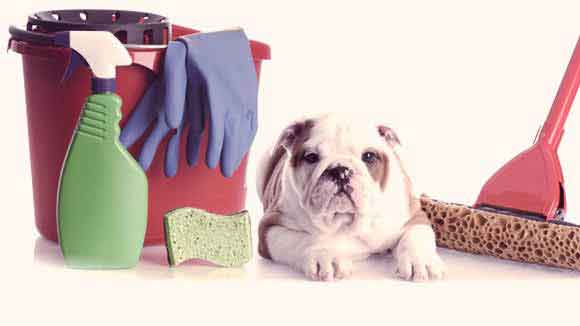
Grooming and Hygiene
Grooming and hygiene are important aspects of household pet care. Regular grooming can help to reduce shedding, prevent matting, and improve your pet's overall health.
For example, if you have a dog, you may want to consider brushing their coat regularly to prevent matting and tangling. You may also want to consider trimming their nails regularly to prevent overgrowth.
In addition to grooming, it's also important to consider your pet's hygiene. For example, if you have a cat, you may want to consider cleaning their litter box regularly to prevent the spread of disease.
Common Health Issues
As a pet owner, it's inevitable that you'll encounter some common health issues at some point. One of the most important things you can do is to stay informed and know what to look out for.
For example, if you have a dog, you may want to be aware of the signs of parvovirus (parvo), a highly contagious and potentially life-threatening virus. These signs include vomiting, diarrhea, and lethargy.
Another common health issue is flea and tick infestations. These can be prevented with regular use of flea and tick preventatives, such as topical treatments or oral medications.
Flea and Tick Prevention Options
| <strong>Option</strong> | <strong>Description</strong> | <strong>Cost</strong> |
|---|---|---|
| Topical treatments | Applied directly to the pet's skin | $10-$20 per application |
| Oral medications | Given by mouth to prevent infestations | $20-$50 per month |
| Flea and tick collars | Worn around the pet's neck to prevent infestations | $10-$30 per collar |
Behavioral Issues
Behavioral issues are common in household pets, and can range from barking and whining to destructive behavior and aggression.
One of the most important things you can do is to identify the underlying cause of the behavior. For example, if your dog is barking excessively, it may be due to boredom, anxiety, or attention-seeking.
In addition to identifying the underlying cause, it's also important to provide your pet with adequate exercise, mental stimulation, and training. For example, if you have a high-energy dog, you may want to consider providing them with regular exercise, such as walks or runs.
Building Trust with Your Pet
Building trust with your pet is an important aspect of household pet care. One of the most important things you can do is to spend quality time with your pet, such as playing with them, going on walks, and simply sitting with them.
For example, if you have a cat, you may want to consider spending time with them in a quiet room, simply sitting and petting them. This can help to build trust and strengthen your bond.
Another important consideration is to be consistent and predictable in your interactions with your pet. This can help to reduce stress and anxiety, and build trust.
Frequently Asked Questions
Q: How often should I bathe my dog?
The frequency of bathing depends on your dog's breed, age, and lifestyle. As a general rule, dogs should be bathed every 1-3 months.
Q: What are the most common household hazards for pets?
Common household hazards for pets include toxic substances, electrical cords, sharp objects, and escape routes.
Q: How can I prevent flea and tick infestations?
Flea and tick infestations can be prevented with regular use of flea and tick preventatives, such as topical treatments or oral medications.
Q: How can I build trust with my pet?
Building trust with your pet involves spending quality time with them, being consistent and predictable, and providing a safe and nurturing environment.
Final Tips and Reminders
Caring for a household pet is a big responsibility, but with the right information and approach, it can be incredibly rewarding. By following these practical household pet care tips, you can create a safe and nurturing environment for your pets, and build a strong and lasting bond with them.
Some final tips and reminders include:
Always supervise your pet, especially in new or unfamiliar environments
Keep toxic substances and hazardous materials out of reach
Provide regular exercise, mental stimulation, and training
Stay informed about common health issues and behavioral problems
- Spend quality time with your pet, and prioritize building trust and strengthening your bond.
By following these tips and reminders, you can help to ensure that your household pet lives a happy, healthy, and fulfilling life.
Related: A Practical Guide to Basic Pet Care Tips
Related: Bible Study Tips for Beginners: What Actually Makes Sense?
Related: Effective Study Tips for Kinesthetic Learners to Boost
