
The Art of Resume Editing
Editing a resume can be a daunting task. You've spent hours crafting the perfect document, but one misstep can send your application to the reject pile. A well-edited resume is essential to making a strong first impression on potential employers. It's not just about fixing typos; it's about refining your narrative, highlighting your strengths, and showcasing your achievements in a clear and concise manner.
Understanding the Importance of Resume Templates
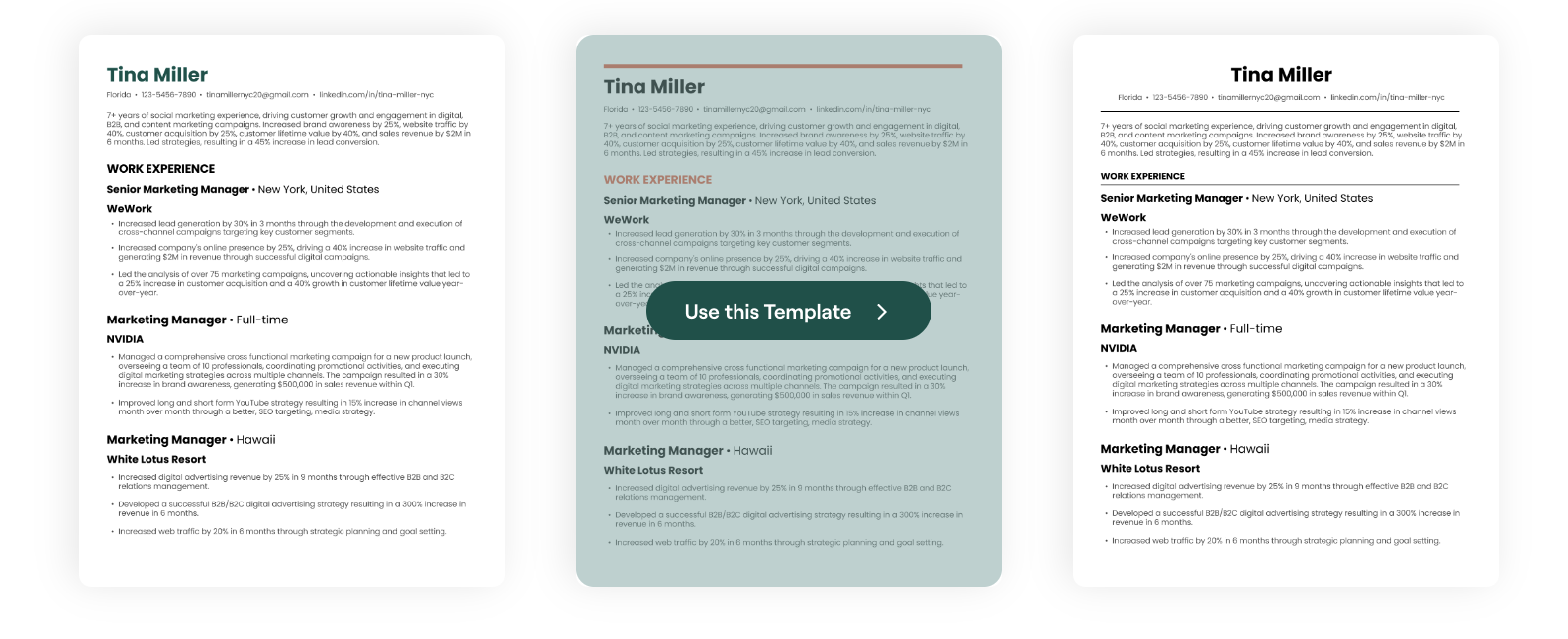
resume templates are a great starting point for creating a well-structured document. They provide a framework for organizing your information and help you stay focused on the most important details. However, relying solely on a template can lead to a generic, cookie-cutter resume. To stand out, you need to tailor your resume to the specific job you're applying for, using language from the job posting and highlighting your relevant skills and experiences.
Effective Resume Editing Strategies
So, how do you edit a resume effectively? Here are some strategies to keep in mind:
Focus on achievements, not responsibilities: Instead of just listing your job responsibilities, focus on the specific achievements and results you've achieved in your previous roles.
Use action verbs and keywords: Use action verbs like "managed," "created," and "developed" to describe your achievements, and incorporate keywords from the job posting to help your resume pass through applicant tracking systems (ATS).
Quantify your achievements: Use numbers and statistics to demonstrate the impact of your work. For example, instead of saying "increased sales," say "increased sales by 25%."
Emphasize transferable skills: Highlight the skills you've developed in previous roles that can be applied to the job you're applying for.
Choosing the Right Resume Template
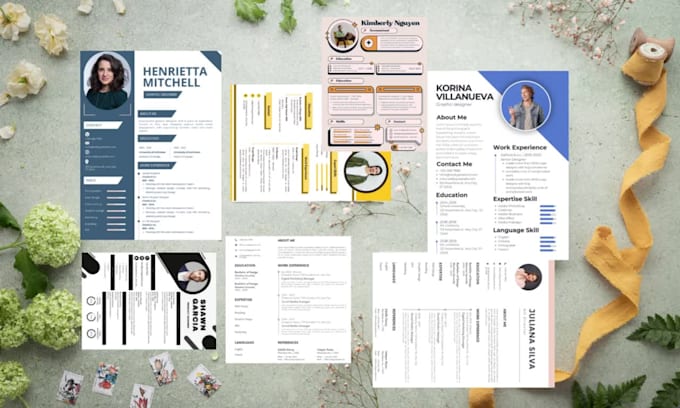
With so many resume templates available, it can be overwhelming to choose the right one. Here are some popular options:
| <strong>Template Style</strong> | <strong>Best for</strong> | <strong>Pros</strong> | <strong>Cons</strong> |
|---|---|---|---|
| <strong>Chronological</strong> | Traditional industries, those with extensive work experience | Easy to read, emphasizes work history | Can be lengthy, may highlight gaps in employment |
| <strong>Functional</strong> | Creative fields, those with gaps in employment | Emphasizes skills, can hide gaps in employment | May not be suitable for ATS, can be seen as lacking experience |
| <strong>Combination</strong> | Most industries, those with some work experience | Balances work history and skills, versatile | Can be challenging to format |
Tailoring Your Resume to the Job
To increase your chances of getting noticed by potential employers, you need to tailor your resume to the specific job you're applying for. Here are some tips:
Read the job posting carefully: Study the job posting and make a list of the required skills and qualifications.
Use language from the job posting: Incorporate keywords and phrases from the job posting into your resume, especially in your summary and skills section.
Emphasize relevant experience: Highlight your relevant work experience and achievements, and downplay or omit irrelevant information.
Common Resume Editing Mistakes
Even with the best intentions, it's easy to make mistakes when editing a resume. Here are some common errors to watch out for:
Typos and grammatical errors: A single mistake can make a negative impression and hurt your chances of getting hired.
Inconsistent formatting: Make sure your formatting is consistent throughout the document, including font, spacing, and bullet points.
Lack of relevance: Failing to tailor your resume to the specific job can make it seem like you're not a strong candidate.
Building Trust with Your Resume
A well-edited resume is not just about showcasing your skills and experience; it's also about building trust with potential employers. Here are some tips to help you establish credibility:
Be honest and transparent: Make sure your resume accurately reflects your work history and achievements.
Use specific examples: Use concrete examples to demonstrate your skills and achievements, rather than just listing them.
- Show enthusiasm and interest: Express your passion for the industry or field, and show that you've done your research on the company.
Frequently Asked Questions
Q: How often should I update my resume?
You should update your resume every 6-12 months, or whenever you change jobs, acquire new skills, or achieve significant accomplishments.
Q: Can I use a resume template for any job?
While resume templates can be a great starting point, it's essential to tailor your resume to the specific job you're applying for.
Q: How long should my resume be?
The ideal length for a resume is one to two pages, depending on your level of experience.
Q: What if I don't have much work experience?
Focus on highlighting your education, skills, and any relevant projects or volunteer work.
Final Check
Editing a resume is a crucial step in the job search process. By using effective strategies, choosing the right template, and tailoring your resume to the job, you can increase your chances of getting noticed by potential employers. Remember to focus on achievements, use action verbs and keywords, and quantify your achievements. With a well-edited resume, you'll be well on your way to landing your dream job.
Related: A Practical Guide to Resume Templates for Digital Marketing
Related: A Practical Guide to Choosing the Right Resume Template
