
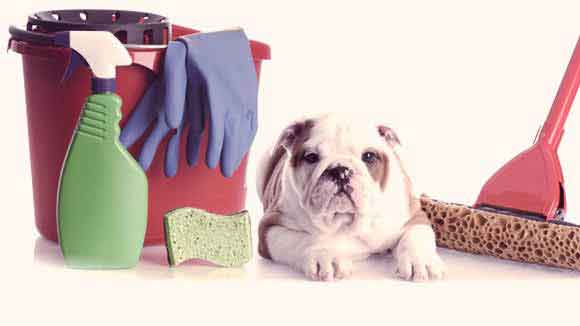
As any pet owner knows, bringing a new furry friend into your home can be a joyful experience, but it also comes with a lot of responsibility. From feeding and grooming to providing a safe and healthy environment, caring for a pet can be overwhelming, especially for first-time owners. However, with the right guidance and knowledge, you can create a happy and healthy home for your pet.
Understanding Your Pet's Needs
Before we dive into the nitty-gritty of household pet care, it's essential to understand that every pet is unique, with its own set of needs and requirements. Factors such as age, breed, size, and health status all play a significant role in determining what your pet needs to thrive. For instance, puppies require more frequent feeding and training, while older pets may need more attention to their health and mobility.
Nutrition and Feeding
One of the most critical aspects of pet care is nutrition. A well-balanced diet is essential for maintaining your pet's overall health, energy levels, and coat condition. Here are some tips for feeding your pet:
Choose a high-quality pet food that meets your pet's nutritional needs
Feed your pet at regular intervals to maintain a healthy weight and prevent overeating
Consider adding supplements to your pet's diet, especially if they have specific health requirements
Avoid giving your pet table scraps or human food, as this can lead to nutritional imbalances and unhealthy eating habits
Grooming and Hygiene
Grooming is not only essential for your pet's appearance but also for their overall health and well-being. Regular grooming can help prevent matting and tangling, reduce shedding, and detect any skin problems early on. Here are some grooming tips:
Brush your pet regularly to prevent matting and tangling
Bathe your pet as needed, taking care not to over-bathe, which can strip their coat of natural oils
Trim your pet's nails regularly to prevent overgrowth
Clean your pet's ears and teeth regularly to prevent infections and promote good oral health
Health and Safety
As a pet owner, it's essential to be aware of potential health risks and take steps to prevent them. Here are some health and safety tips:
Regular veterinary check-ups are crucial for maintaining your pet's health and detecting any potential problems early on
Keep toxic substances out of reach, such as cleaning supplies, medications, and toxic plants
Provide a safe and comfortable environment, including a warm and dry place to rest
Consider microchipping your pet to ensure they can be identified and returned if they ever become lost
Common Household Hazards
As a pet owner, it's essential to be aware of common household hazards that can pose a risk to your pet's safety. Here are some common hazards to watch out for:
Electrical cords and wires
Toxic substances, such as cleaning supplies and medications
Sharp objects, such as knives and scissors
Hot surfaces, such as stovetops and radiators
Creating a Pet-Friendly Home
Creating a pet-friendly home is essential for ensuring your pet's safety and comfort. Here are some tips for creating a pet-friendly home:
Provide a comfortable and safe place for your pet to rest
Keep toxic substances out of reach
Secure any loose wires or cords
Consider pet-proofing your home, especially if you have a new or curious pet
Pet-Proofing Your Home
Pet-proofing your home is an essential step in ensuring your pet's safety. Here are some tips for pet-proofing your home:
Secure any loose wires or cords
Keep toxic substances out of reach
Block off any areas you don't want your pet to access, such as certain rooms or areas
Consider installing pet gates or barriers to restrict access

Tips for New Pet Owners
If you're new to pet ownership, here are some tips to get you started:
Research your pet's specific needs and requirements
Create a routine and stick to it
Provide a safe and comfortable environment
Consider enrolling in a pet training class to help with socialization and behavior
The Benefits of Regular Veterinary Check-Ups
Regular veterinary check-ups are essential for maintaining your pet's health and detecting any potential problems early on. Here are some benefits of regular veterinary check-ups:
Early detection of health problems
Preventative care, such as vaccinations and parasite control
Advice on nutrition and feeding
Help with behavioral issues
Comparison of Pet Care Costs
| <strong>Pet Care Service</strong> | <strong>Average Cost</strong> |
|---|---|
| Veterinary check-up | $50-$100 |
| Pet grooming | $30-$90 |
| Pet training class | $50-$100 |
| Pet sitting or boarding | $20-$50 per day |
Frequently Asked Questions
Q: How often should I feed my pet?
The frequency of feeding depends on your pet's age, size, and breed. Generally, puppies require more frequent feeding, while adult pets may only need to be fed once or twice a day.
Q: How often should I groom my pet?
The frequency of grooming depends on your pet's coat type and length. Generally, pets with long coats require more frequent grooming to prevent matting and tangling.
Q: What are some common household hazards for pets?
Common household hazards for pets include electrical cords and wires, toxic substances, sharp objects, and hot surfaces.
Q: How can I create a pet-friendly home?
Creating a pet-friendly home involves providing a comfortable and safe environment, keeping toxic substances out of reach, securing any loose wires or cords, and considering pet-proofing your home.
Final Tips and Reminders
Caring for a pet is a big responsibility, but with the right guidance and knowledge, you can create a happy and healthy home for your furry friend. Remember to:
Research your pet's specific needs and requirements
Create a routine and stick to it
Provide a safe and comfortable environment
Consider enrolling in a pet training class to help with socialization and behavior
By following these tips and being mindful of your pet's needs, you can help ensure a happy and healthy life for your furry friend.
Related: What to Know About Travel Packing Checklists: Free PDFs
Related: Free Online Landscape Design Tools to Transform Your Outdoor
Related: A Practical Guide to Meal Prep Templates Free
Related: 5 Useful Things to Know About Downloading a Free Travel
