
Finding Your Content Rhythm
As a content creator or marketer, you're likely no stranger to the chaos of planning and publishing content. Between brainstorming ideas, coordinating with team members, and meeting deadlines, it's easy to get lost in the process. A content planning calendar can be a lifesaver, but with so many approaches out there, it's hard to know where to start.
Let's consider two common scenarios:
- The Spontaneous Creator: You thrive on inspiration, often coming up with ideas on the fly. However, this approach can lead to disorganization, missed deadlines, and a lack of cohesive storytelling.
- The Rigid Planner: On the other end of the spectrum, some marketers plan every detail months in advance. While this can ensure consistency, it may stifle creativity and make it difficult to adapt to changing circumstances.
Understanding Content Planning Calendars
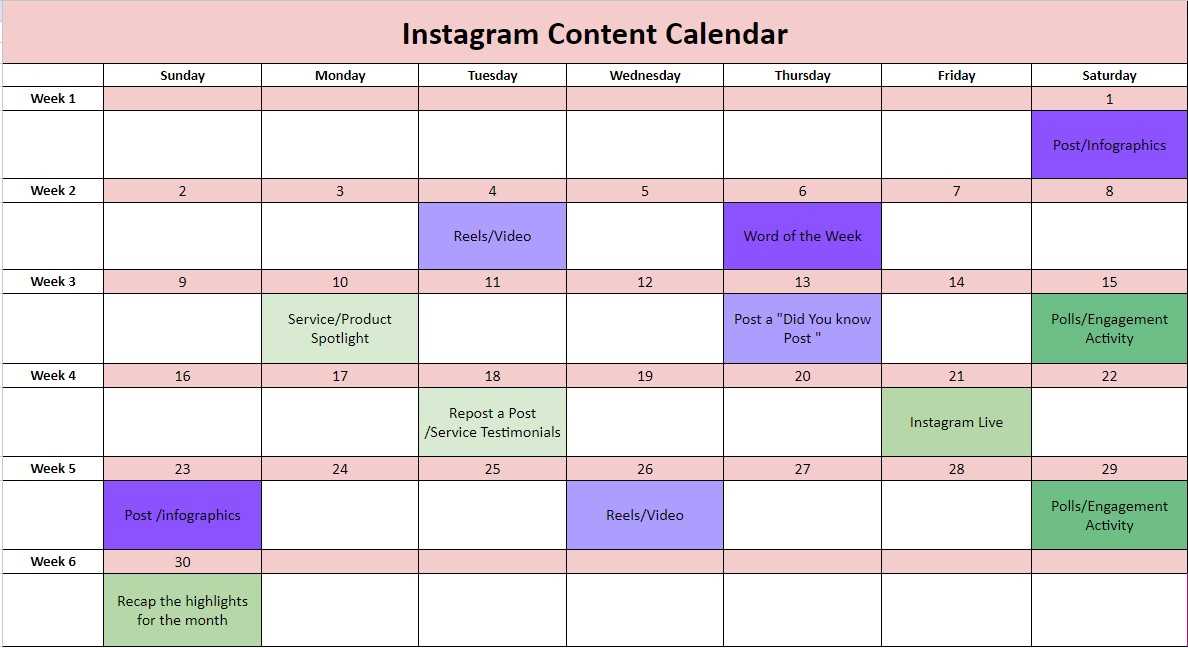
A content planning calendar is essentially a tool that helps you organize, schedule, and publish content in a structured and efficient manner. It's not just about throwing a bunch of dates and topics into a calendar; it's about creating a cohesive strategy that aligns with your business goals.
There are many types of content planning calendars, including:
Editorial calendars: Focus on publishing schedules for blog posts, articles, and other written content.
Social media calendars: Plan and schedule social media posts across various platforms.
Content marketing calendars: Encompass a broader range of content types, including blog posts, videos, podcasts, and more.
Choosing the Right Calendar Approach
When selecting a content planning calendar approach, consider the following factors:
Content types: What types of content do you create? Do you need a calendar that can handle multiple formats, such as blog posts, videos, and social media posts?
Team size and structure: How many people are involved in your content creation process? Do you need a calendar that can accommodate multiple contributors and stakeholders?
Goals and objectives: What are your content goals? Do you need a calendar that can help you track engagement, conversions, or other metrics?
Comparison of Popular Content Planning Calendars
| Calendar Type | Description | Pros | Cons |
|---|---|---|---|
| Editorial Calendar | Focuses on written content, such as blog posts and articles. | Easy to use, great for solo creators or small teams. | Limited to written content, may not be suitable for teams with diverse content needs. |
| Social Media Calendar | Plans and schedules social media posts across various platforms. | Ideal for teams with a strong social media presence, allows for easy tracking of engagement. | May not be suitable for teams with diverse content needs, can be time-consuming to manage. |
| Content Marketing Calendar | Encompasses a broad range of content types, including blog posts, videos, podcasts, and more. | Flexible and adaptable, suitable for teams with diverse content needs. | Can be overwhelming to manage, requires significant planning and coordination. |
Building Your Content Planning Calendar
Once you've chosen a calendar approach, it's time to start building your content planning calendar. Here are some steps to follow:
- Define your content goals: What do you want to achieve with your content? Are you looking to increase website traffic, generate leads, or boost engagement?
- Identify your target audience: Who are you creating content for? What are their pain points, interests, and preferences?
- Brainstorm content ideas: Use tools like keyword research, social media listening, and customer feedback to come up with content ideas that resonate with your audience.
- Create a content schedule: Plan and schedule your content in advance, taking into account factors like seasonality, holidays, and industry events.
Tips for Successful Content Planning
Be flexible: Don't be afraid to adjust your content plan if circumstances change or new opportunities arise.
Collaborate with your team: Make sure all team members are on the same page and have a clear understanding of their roles and responsibilities.
Track and measure performance: Use analytics tools to track engagement, conversions, and other metrics, and adjust your content plan accordingly.
Common Content Planning Mistakes
Overplanning: Don't try to plan too much content at once. This can lead to burnout and decreased quality.
Underplanning: On the other hand, don't leave your content planning to the last minute. This can result in missed deadlines and a lack of cohesion.
Not considering SEO: Don't neglect search engine optimization (SEO) when planning your content. This can impact your content's visibility and engagement.
FAQs
Q: What is the best content planning calendar approach for small teams?
For small teams, an editorial calendar or social media calendar may be a good starting point. These calendars are easy to use and can help you plan and schedule content efficiently.
Q: How far in advance should I plan my content?
The amount of time you plan in advance will depend on your content goals, team size, and industry. A good rule of thumb is to plan at least 2-3 months in advance.
Q: What tools can I use to create a content planning calendar?
There are many tools available, including Google Calendar, Trello, Asana, and Hootsuite. Choose a tool that fits your needs and workflow.
Q: How do I measure the success of my content planning calendar?
Use analytics tools to track engagement, conversions, and other metrics. Adjust your content plan accordingly to optimize performance.
Putting it All Together
A content planning calendar is a powerful tool that can help you create and publish content more efficiently. By choosing the right calendar approach, building a solid content plan, and avoiding common mistakes, you can achieve your content goals and drive business results. Remember to stay flexible, collaborate with your team, and track performance to ensure ongoing success.
