
The thought of traveling internationally can be both exhilarating and overwhelming. You've got your passport, a rough itinerary, and a sense of adventure – but are you really prepared for everything that comes with exploring a new country? From visa requirements to vaccinations, and from packing essentials to emergency contacts, there's a lot to consider before you even board the plane.
Before You Leave: Research and Planning
Before you start packing, take some time to research your destination. Understand the local culture, customs, and laws. Check the official government website for travel advisories and requirements, such as visa applications, vaccinations, and travel insurance. Make photocopies of important documents like your passport, driver's license, and health insurance card, and leave a copy with a trusted friend or family member.
Understanding Visa Requirements
Visa requirements vary greatly depending on your destination and nationality. Some countries offer visa-free travel, while others require a visa application well in advance. Make sure you understand the requirements and regulations for your destination.
Packing Essentials: The Must-Haves
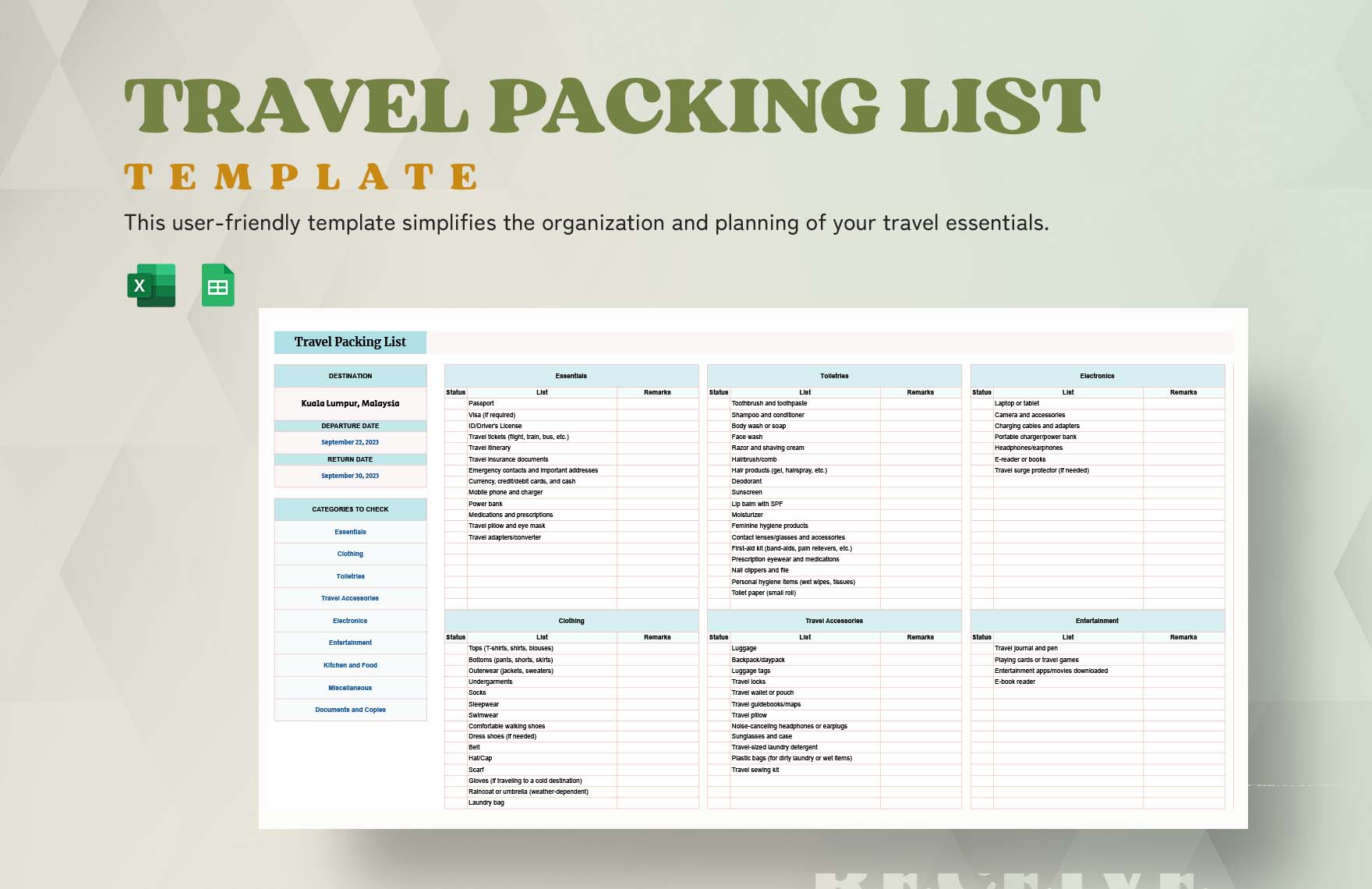
When it comes to packing, it's easy to get overwhelmed. What are the essentials, and what's merely nice to have? Here's a general list of must-haves to get you started:
- Travel documents (passport, visa, travel insurance)
- Plane ticket and hotel reservation
- Driver's license or government-issued ID
- Debit/credit cards and cash
- A small daypack for daily excursions
The Art of Packing Light
Packing light is an art that requires some practice, but the benefits are well worth it. Not only will you save on baggage fees, but you'll also avoid the hassle of lugging around a heavy suitcase. Consider packing clothes that can be easily mixed and matched, and choose items that serve multiple purposes.
Health and Safety Precautions
When traveling internationally, it's essential to take health and safety precautions seriously. Consult your doctor or a travel clinic to determine if any vaccinations or medications are required for your destination. Additionally, make sure you have a basic first-aid kit with essentials like pain relievers, antacids, and band-aids.
Staying Healthy Abroad
Staying healthy while traveling abroad requires some common sense and preparation. Make sure you drink bottled water, eat at reputable restaurants, and avoid undercooked meat or raw vegetables.
Financial Preparations: Money and Insurance
Financial preparations are a crucial aspect of international travel. Notify your bank and credit card companies of your travel plans, so they don't flag your transactions as suspicious. Consider purchasing travel insurance to cover unexpected medical or travel-related expenses.
Understanding Local Currency
Understanding local currency and exchange rates can save you a lot of hassle. Consider exchanging some money before you leave, and make sure you have a credit or debit card that doesn't charge foreign transaction fees.
Staying Connected: Technology and Communication
In today's connected world, staying in touch with family and friends back home is easier than ever. Consider purchasing a portable Wi-Fi hotspot or an international data plan to stay connected. Make sure your phone is compatible with the local network, and consider purchasing a local SIM card.
Power Adapters and Converters
Power adapters and converters can be a real challenge when traveling internationally. Research the types of power sockets and voltage requirements for your destination, and pack accordingly.
Printable International Travel Checklist
Here's a basic printable international travel checklist to get you started:
| <strong>Category</strong> | <strong>Item</strong> | <strong>Status</strong> |
|---|---|---|
| Travel Documents | Passport | |
| Visa (if required) | ||
| Travel insurance | ||
| Health and Safety | Vaccinations | |
| Medications | ||
| First-aid kit | ||
| Financial | Debit/credit cards | |
| Cash | ||
| Traveler's checks (optional) | ||
| Technology | Phone and charger | |
| Laptop and charger (if necessary) | ||
| Portable Wi-Fi hotspot |
Pros and Cons of Using a Printable Checklist
Using a printable checklist can have its advantages and disadvantages. Here are a few:
Pros:
Helps you stay organized and focused
Ensures you don't forget important items or tasks
Can be customized to fit your specific travel needs
Cons:
Can be time-consuming to create and update
May not account for last-minute changes or unexpected events
Requires you to physically check off items
Frequently Asked Questions
Q: What are the most important items to include in an international travel checklist?
The most important items to include are travel documents, health and safety precautions, financial preparations, and technology and communication essentials.
Q: How can I ensure that my international travel checklist is comprehensive?
Research your destination thoroughly, and consider consulting with a travel expert or a government website for specific requirements and recommendations.
Q: Can I use a digital checklist instead of a printable one?
Yes, you can use a digital checklist, but make sure it's accessible and easy to use on your mobile device.
Q: How can I stay organized and focused during the travel planning process?
Break down the planning process into smaller tasks, and prioritize the most important ones. Use a checklist or a planner to stay on track.
Final Check
International travel can be a thrilling experience, but it requires some planning and preparation. By using a comprehensive international travel checklist printable, you can ensure a smooth and stress-free journey. Remember to research your destination, pack essentials, take health and safety precautions, and make financial preparations. Stay connected with family and friends back home, and don't hesitate to ask for help if you need it. With a little planning and preparation, you'll be ready for an adventure of a lifetime.
Related: A Practical Guide to Interior Designing Tools Online Free
Related: 5 Essential Items for Your International Travel Checklist
Related: A Practical Guide to Free Digital Meal Planner Templates
