
A Beginner's Dilemma: Navigating Meal Prep with Ease
Starting with meal prep can be overwhelming, especially for those new to cooking or short on time. The idea of preparing meals in advance sounds great, but where do you begin? With a little guidance, you can transition from a kitchen newbie to a meal prep pro, enjoying healthy, home-cooked meals without the daily hassle.
Simple Meal Prep Ideas to Get You Started
The key to successful meal prep is simplicity. You don't need to plan a week's worth of complex recipes or invest in expensive equipment. Begin with basic ideas that can be adapted to your dietary preferences and lifestyle.
- Breakfast Prep: Prepare a batch of overnight oats or muffins on Sunday evening. Portion them out into individual containers for easy grab-and-go breakfasts throughout the week.
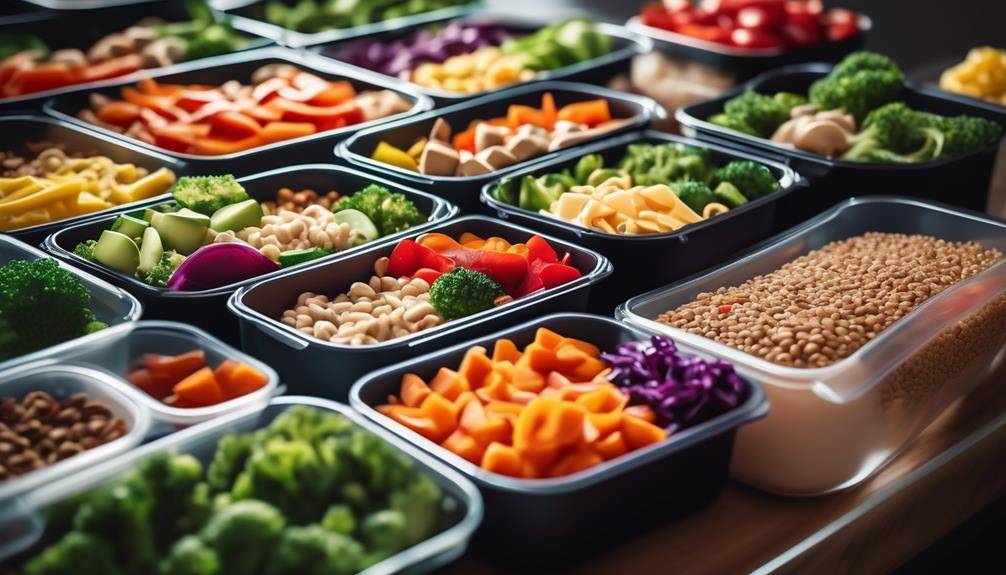
- Lunch and Dinner Prep: Cook a large batch of rice, quinoa, or grains. Roast a variety of vegetables like broccoli, sweet potatoes, and carrots. Grill chicken, salmon, or tofu for protein. Mix and match these components to create different meals.
The Benefits of Meal Prep: A Time and Stress-Saving Strategy
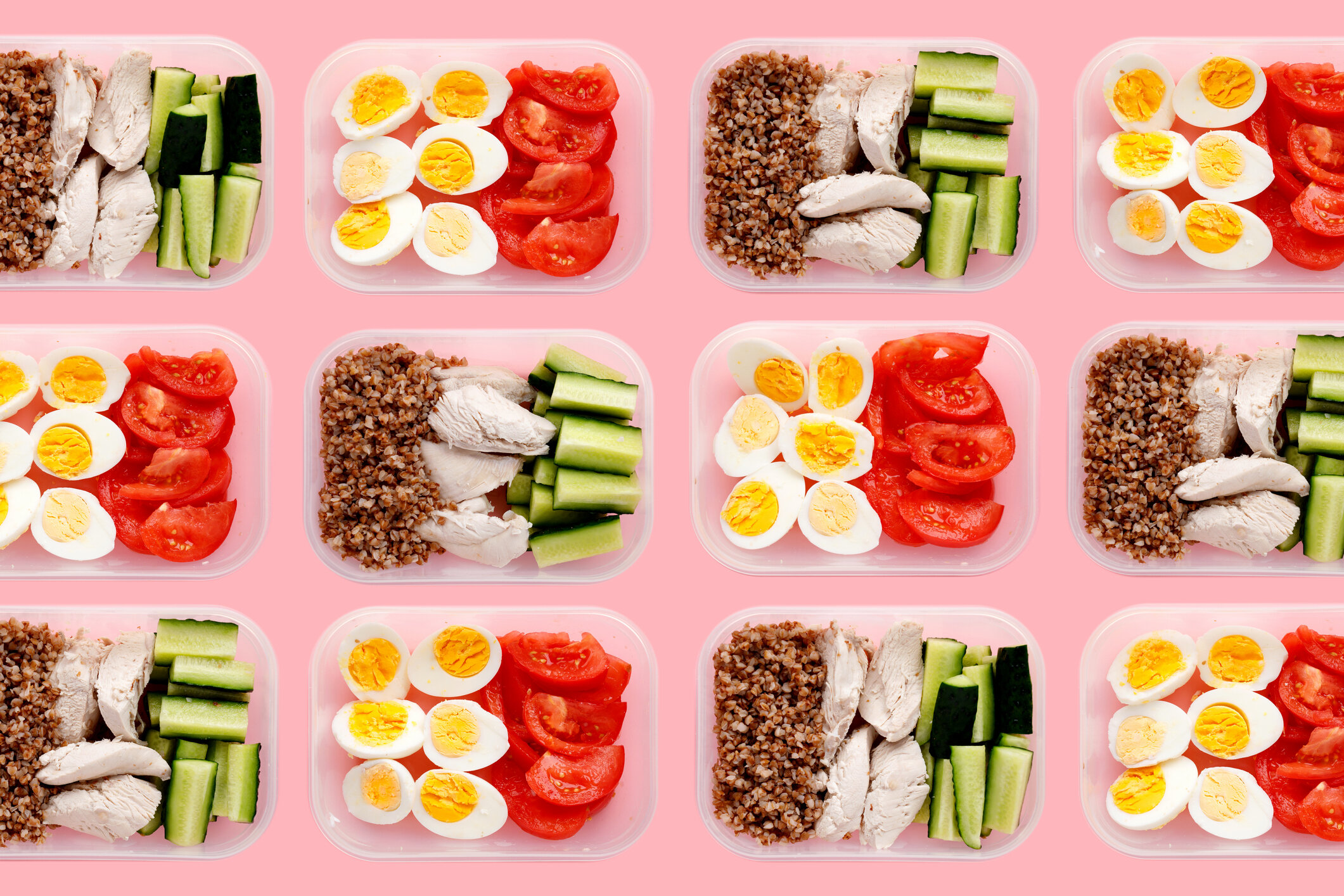
Meal prep offers numerous benefits, including saving time during the week, reducing stress, and promoting healthier eating habits. By dedicating a few hours on the weekend to meal prep, you can enjoy:
- Time Savings: Reduced daily cooking time means more free time for other activities.
- Stress Reduction: Knowing your meals are ready can significantly lower daily stress levels.
- Healthier Choices: Prepping meals in advance encourages healthier eating by avoiding last-minute, often unhealthy, food choices.
Meal Prep vs. Meal Planning: Understanding the Difference
While often used interchangeably, meal prep and meal planning serve distinct purposes. Meal planning involves deciding on the meals you'll eat over a certain period, creating a grocery list, and sometimes even making a cooking schedule. Meal prep, on the other hand, is the actual preparation of those meals.
| Meal Planning | Meal Prep |
|---|---|
| <strong>Focus</strong> | Deciding on meals and making a plan |
| <strong>Outcome</strong> | A plan and grocery list |
| <strong>Time Commitment</strong> | Varies, often less than meal prep |
Essential Tools for Efficient Meal Prep
You don't need a professional kitchen to start meal prepping. Here are some essential tools to get you started:
- Containers: Invest in a set of reusable containers for storing meals.
- Knives and Cutting Boards: Good-quality knives and cutting boards make prep work easier and safer.
- Slow Cooker or Instant Pot: These appliances can significantly reduce cooking time for certain meals.
Common Mistakes to Avoid in Meal Prep
- Overcomplicating Recipes: Start with simple recipes to avoid frustration.
- Not Considering Dietary Goals: Ensure your meal prep aligns with your dietary needs and goals.
- Ignoring Food Safety: Always store food at the correct temperature and consume within a safe timeframe.
Practical Tips for Sustainable Meal Prep
- Start Small: Begin with prepping one or two meals per week and gradually increase.
- Be Flexible: Don't be too hard on yourself if you miss a day. Adjust your plan as needed.
- Stay Organized: Keep your kitchen organized to make meal prep more efficient.
Frequently Asked Questions
Q: How long does meal prep take?
The time required for meal prep varies depending on the complexity of recipes and the number of meals you're preparing. On average, it can take anywhere from 1 to 3 hours.
Q: Can I meal prep if I have dietary restrictions?
Absolutely. Meal prep can be tailored to fit any dietary need, including vegan, gluten-free, keto, and more.
Q: How do I keep my meal prep fresh?
Use a variety of ingredients, spices, and recipes to keep your meals interesting. Consider freezing meals and reheating them as needed.
Q: Is meal prep cost-effective?
Yes, meal prep can save you money by reducing food waste, allowing you to buy in bulk, and avoiding last-minute takeout or dining out.
Wrapping Up: A Stress-Free Approach to Meal Prep
Embracing meal prep doesn't have to be daunting. By starting simple, being mindful of your dietary goals, and utilizing the right tools, you can make healthy eating a sustainable part of your lifestyle. Remember, the goal of meal prep is to make your life easier, not more complicated. Experiment with different recipes and strategies until you find what works best for you.
Related: Mastering Free Time Management: Boost Productivity Without
Related: How to Understand Pet Care Tips for Dogs Without the Confusion
Related: A Practical Guide to Free Pet Care Tips
Related: Free Online Bathroom Design Tools to Transform Your Space
