
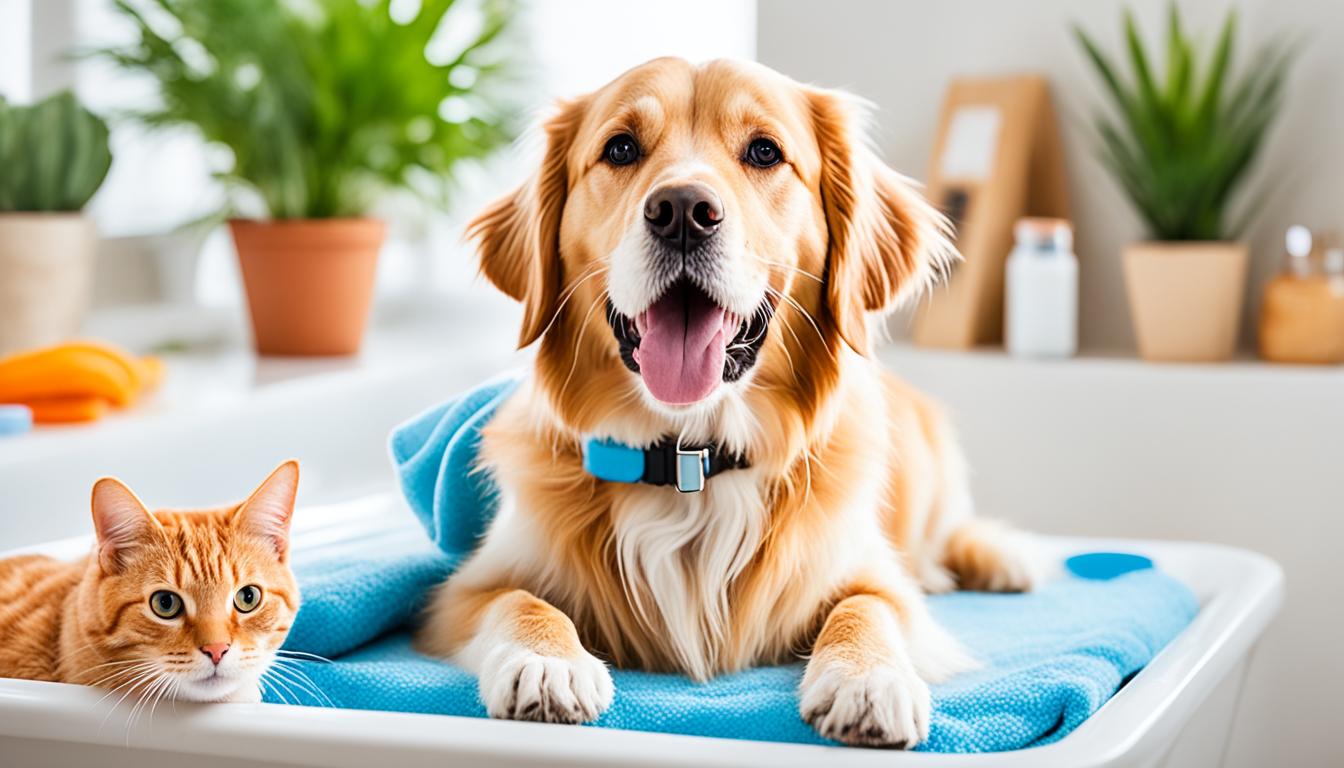
As any pet owner knows, bringing a furry friend into your home can be a life-changing experience. The joys of companionship, affection, and unconditional love come with significant responsibilities. Ensuring your pet's health, happiness, and well-being requires attention to detail, patience, and a willingness to learn. In this article, we'll explore essential household pet care tips to help you create a harmonious and loving environment for your pet.
Nutrition and Feeding
Providing your pet with a balanced diet is crucial for their overall health. With so many pet food options available, it can be overwhelming to choose the right one. When selecting a pet food, consider factors such as your pet's age, breed, size, and dietary needs. For example, puppies require more protein and calories than adult dogs, while senior pets may benefit from joint support and fewer calories.
Key Nutritional Considerations:
Look for high-quality protein sources (e.g., chicken, salmon) as the first ingredient
Ensure the food meets your pet's life stage and lifestyle needs
Avoid fillers and by-products, which can be difficult to digest
Consult with your veterinarian to determine the best diet for your pet
Grooming and Hygiene
Regular grooming is essential for maintaining your pet's physical and mental health. Brushing your pet's coat helps remove tangles, reduces shedding, and distributes skin oils. For dogs, nail trimming and ear cleaning are also crucial to prevent health issues. Cats, on the other hand, are meticulous about their grooming and may appreciate regular brushing to reduce shedding.
Grooming Tips:
Brush your pet's coat 2-3 times a week to prevent matting and tangling
Trim your dog's nails every 4-6 weeks to prevent overgrowth
Clean your pet's ears weekly to prevent infections
Consider professional grooming for pets with specific needs (e.g., long-haired breeds)
Safety and Environment
Creating a safe and welcoming environment for your pet is vital. This includes securing toxic substances, electrical cords, and fragile items. For households with multiple pets, it's essential to provide separate areas for eating, sleeping, and relaxation to reduce stress.
Safety Precautions:
Secure toxic substances (e.g., cleaning supplies, medications) in inaccessible areas
Use cord protectors and secure loose wires to prevent electrical shock
Provide a comfortable and quiet space for your pet to rest
Supervise interactions between pets to prevent conflicts
Health and Wellness
Regular veterinary check-ups are crucial for maintaining your pet's health. Schedule annual check-ups for adult pets and bi-annual check-ups for puppies and senior pets. Keep an eye out for signs of illness or discomfort, such as changes in appetite, vomiting, or lethargy.
Health Tips:
Schedule regular veterinary check-ups to monitor health and detect potential issues early
Keep your pet up-to-date on vaccinations and preventatives (e.g., heartworm medication)
Monitor your pet's behavior and appetite to detect potential health issues
Consider investing in pet insurance to cover unexpected veterinary expenses
Training and Socialization
Proper training and socialization are essential for your pet's emotional and behavioral well-being. Positive reinforcement training methods encourage good behavior and strengthen your bond with your pet. Socialization helps your pet interact confidently with people, other pets, and new environments.
Training and Socialization Tips:
Use positive reinforcement training methods (e.g., treats, praise) to encourage good behavior
Socialize your pet extensively, especially during critical developmental periods (e.g., 8-16 weeks)
Consider enrolling in obedience classes or working with a professional trainer
Be patient and consistent when training your pet
Managing Common Household Hazards
Household hazards, such as toxic substances and electrical cords, can pose significant risks to your pet. Take steps to pet-proof your home by securing potential hazards and creating a safe environment.
Common Household Hazards:
| Hazard | Description | Prevention |
|---|---|---|
| Toxic substances | Cleaning supplies, medications, and toxic foods | Secure in inaccessible areas, use child-proof locks |
| Electrical cords | Exposed cords, wires, and appliances | Use cord protectors, secure loose wires, and supervise |
| Fragile items | Vases, decorations, and breakable objects | Secure or remove from accessible areas |
"A well-prepared home is a safe haven for your pet. By taking the time to pet-proof your space, you can prevent accidents and ensure a happy, healthy relationship with your furry friend." - American Pet Products Association
Frequently Asked Questions
Q: How often should I bathe my pet?
The frequency of bathing depends on your pet's breed, age, and lifestyle. Generally, dogs should be bathed every 1-3 months, while cats are usually self-cleaning.
Q: Can I leave my pet alone for extended periods?
It's not recommended to leave your pet alone for extended periods. Pets require social interaction, exercise, and regular care to stay happy and healthy.
Q: How can I prevent flea and tick infestations?
Use preventative medications, such as topical treatments or oral medications, and maintain a clean living environment to reduce the risk of flea and tick infestations.
Q: What are the benefits of microchipping my pet?
Microchipping your pet increases the chances of recovery if they become lost or stolen. Microchips provide a permanent form of identification and can be lifesaving in emergency situations.
Final Tips for a Happy Home
Mastering household pet care requires patience, attention to detail, and a willingness to learn. By following these essential tips, you can create a harmonious and loving environment for your pet. Remember to stay up-to-date on veterinary care, provide a balanced diet, and maintain a safe and welcoming home. With time and effort, you can build a strong, loving bond with your furry friend and enjoy a happy, healthy life together.
Related: What to Know About Easy Bible Study for Beginners: Simple Tips
Related: Finding Affordable Resume Templates in Paris: A Practical
Related: Simplify Your Meal Planning: Easy Meal Prep Ideas for a Busy
