
The Art of Meal Prep Salads
In our fast-paced lives, maintaining a healthy diet can often seem like an impossible task. One of the most effective ways to ensure you're eating well, even on the busiest of days, is through meal prep. Among the myriad of meal prep options, salads stand out for their versatility, nutritional value, and ease of preparation. But how do you master the art of meal prep salads? This guide will walk you through the benefits, planning, and execution of meal prep salads, helping you to integrate this healthy habit into your daily routine.
Benefits of Meal Prep Salads
Meal prep salads offer a plethora of benefits. They are a great way to ensure you're getting a balanced diet rich in vegetables, proteins, and healthy fats. By preparing your salads in advance, you save time during the week, avoid the temptation of fast food, and can manage your budget more effectively. Moreover, meal prep salads are highly customizable, allowing you to cater to your dietary needs and preferences.
Planning Your Meal Prep Salads
Understanding Your Nutritional Needs
Before you start prepping, it's essential to understand your nutritional needs. Are you looking to lose weight, build muscle, or simply maintain a healthy lifestyle? Your goals will dictate the ingredients and portion sizes of your salads. For instance, if you're aiming to build muscle, you'll want to include a good source of protein in your salads, such as grilled chicken, tofu, or beans.
Choosing Ingredients
The key to a great meal prep salad is choosing the right ingredients. You'll want a mix of:
- Greens: The base of your salad. Options include romaine lettuce, spinach, and arugula.
- Proteins: Grilled chicken, salmon, tofu, or legumes for a plant-based option.
- Vegetables: A variety of colors to ensure a range of nutrients. Think bell peppers, cucumbers, carrots, and cherry tomatoes.
- Grains: Quinoa, brown rice, or whole grain croutons for added fiber.
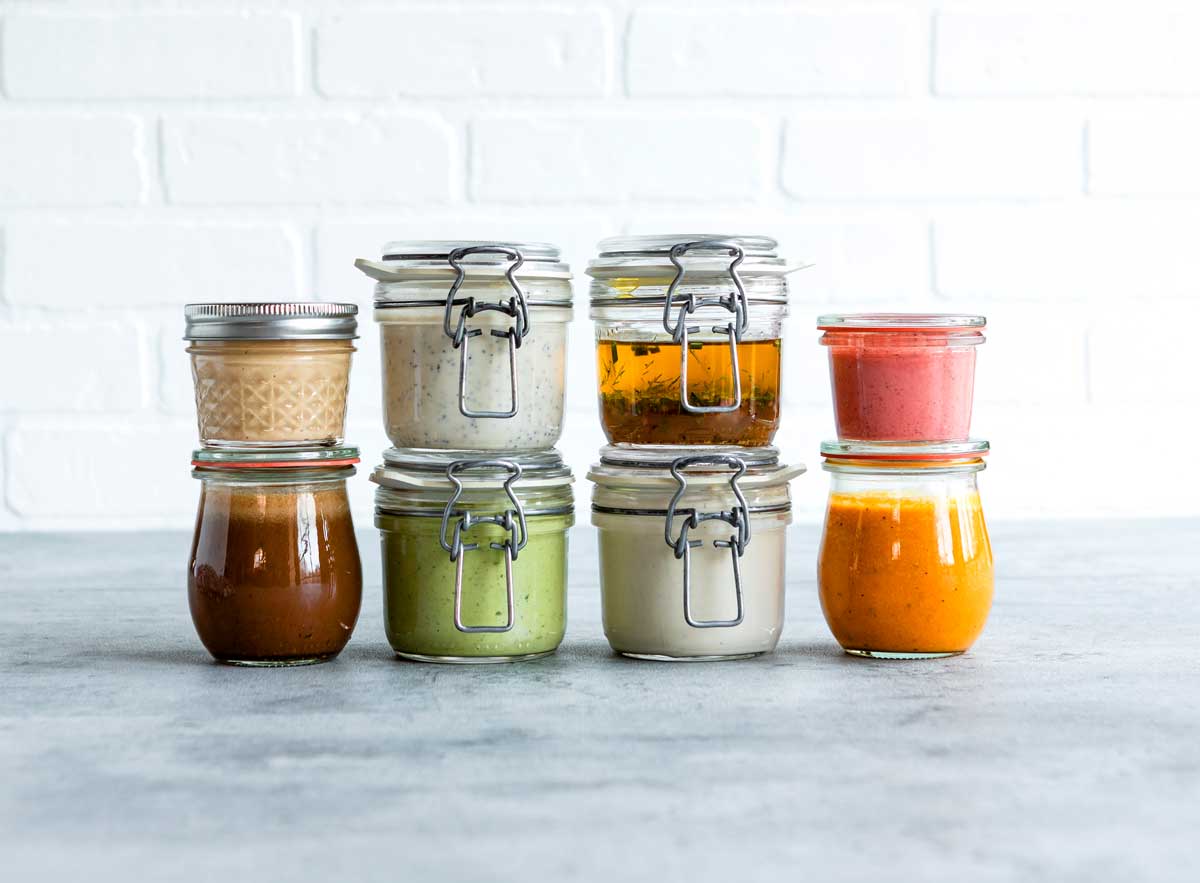
- Dressings and Toppings: To keep things interesting, have a variety of dressings and toppings on hand, such as nuts, seeds, cheese, and dried fruits.
Preparing Your Salads
Prep Day
Set aside a specific day for meal prep, ideally a day when you have a few hours free. Start by washing and drying your greens and vegetables. Then, prepare your proteins according to your plan (grilling, roasting, or cooking). Grains and legumes can be cooked in bulk and refrigerated or frozen for later use.
Assembly
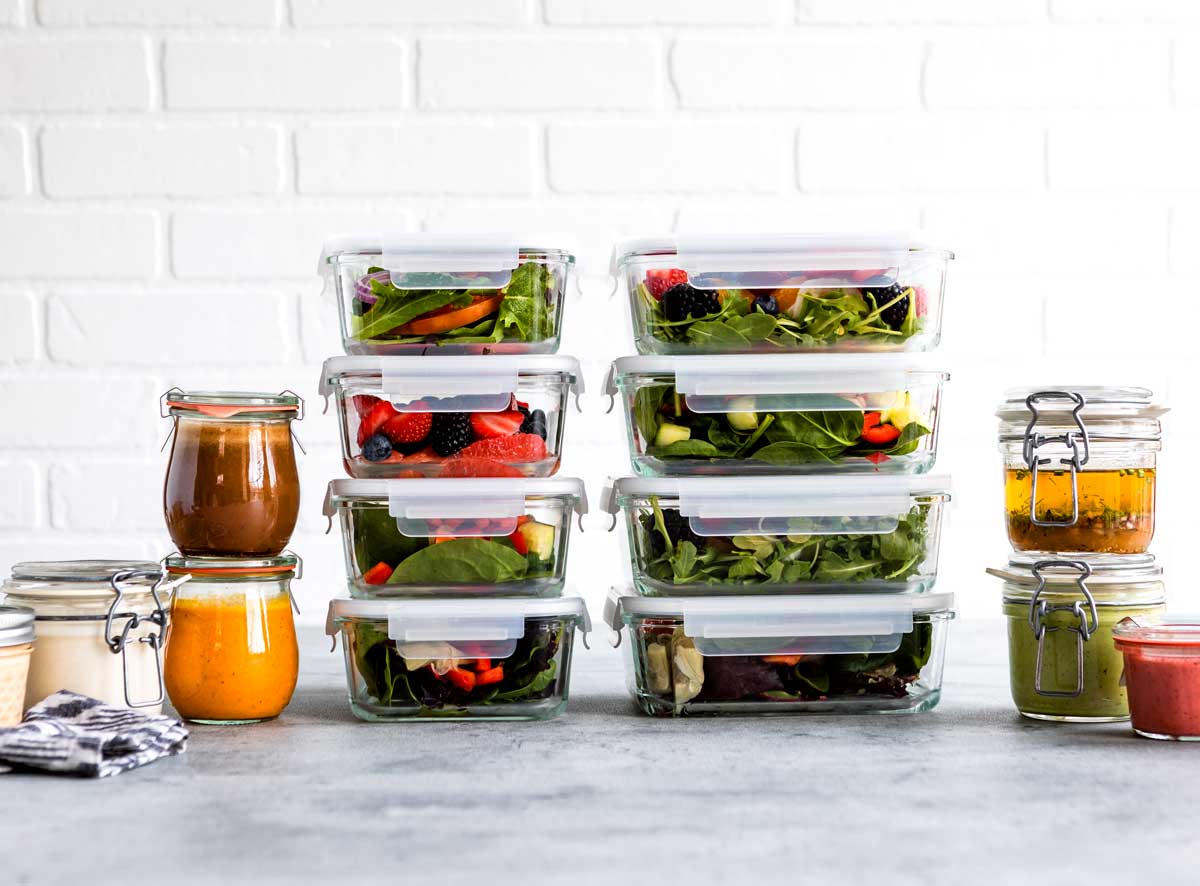
Once your ingredients are prepped, it's time to assemble your salads. The idea is to keep the base (greens) and dressing separate until you're ready to eat to prevent sogginess. Layer your ingredients in a container, starting with the heaviest at the bottom. For example:
- Bottom: Dressing or a barrier like a slice of citrus
- Middle: Proteins and grains
- Top: Greens and lighter vegetables
Storing and Consuming Your Salads
Storage Tips
- Use airtight containers to keep your salads fresh.
- Keep dressings and toppings separate until serving.
- Store in the refrigerator and consume within 3-5 days.
Eating on the Go
Meal prep salads are incredibly portable. Simply grab your container, and you're good to go. Consider using mason jars or containers with compartments to keep everything organized and fresh.
Insight: Comparing Meal Prep Methods
| <strong>Method</strong> | <strong>Time Efficiency</strong> | <strong>Customization</strong> | <strong>Cost-Effectiveness</strong> |
|---|---|---|---|
| Meal Prep Salads | High | High | Medium to High |
| Overnight Oats | Medium | Medium | Low to Medium |
| Cooked Meals | Medium | Medium | Medium |
While various meal prep methods have their advantages, salads stand out for their customization options and time efficiency. However, they might require a slightly higher initial investment in terms of cost, especially if you're purchasing a variety of fresh ingredients.
Common Mistakes and How to Avoid Them
- Overprepping: Preparing too much food at once can lead to waste and boredom. Start with 3-4 days' worth of meals.
- Not Considering Taste: Ensure your salads are not only nutritious but also enjoyable to eat. Experiment with different ingredients and dressings.
- Ignoring Texture and Variety: Mix textures (crunchy, soft, chewy) and colors to keep your salads interesting.
Frequently Asked Questions
Q: How long can I store meal prep salads in the fridge?
Generally, meal prep salads can be stored for 3 to 5 days. Make sure to check the freshness of the ingredients and the dressing used.
Q: Can I freeze meal prep salads?
It's best not to freeze assembled salads, as the texture of the vegetables and greens can become unappetizing. However, you can freeze proteins and grains for later use.
Q: How do I prevent my salad from becoming soggy?
Keep your dressing separate until you're ready to eat. You can also use a barrier like a slice of citrus or a layer of hard vegetables at the bottom of the container.
Q: Are meal prep salads expensive?
The cost can vary based on your choices of ingredients. Planning your meals, buying in bulk, and choosing seasonal produce can help manage costs.
Final Tips for Success
To truly master meal prep salads, be patient and persistent. It might take a few tries to find the perfect combination of ingredients and methods that work for you. Keep your goals in mind, and don't be afraid to experiment. With time, you'll find that meal prep salads not only save you time and money but also contribute significantly to your overall health and well-being. Embrace the process, and enjoy the journey to a healthier, more organized you.
