
Creating a Conducive Learning Environment
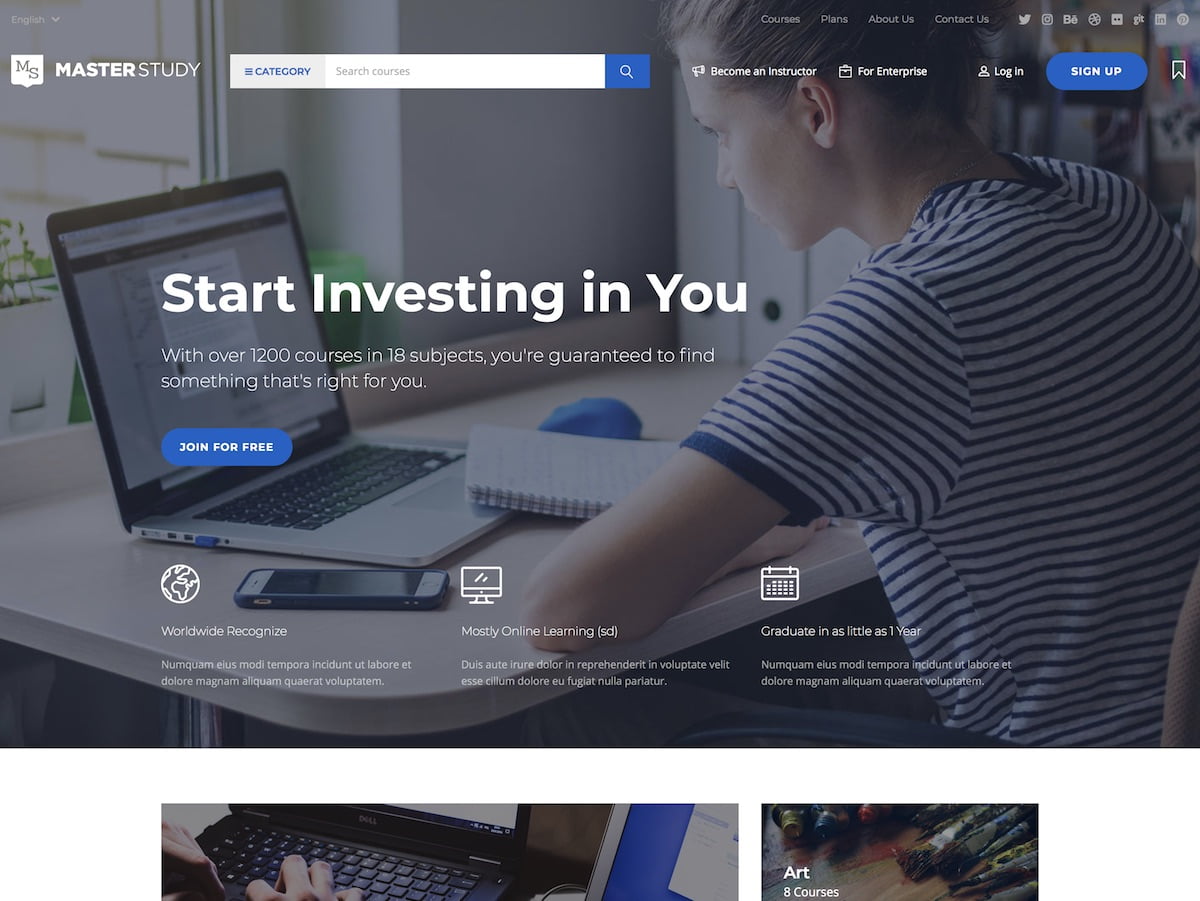
When studying online, it's easy to get sidetracked by household chores, social media, or the temptation to watch just one more video. To minimize distractions, set up a dedicated learning space that promotes focus. This could be a quiet corner in your home, a local library, or a co-working space. Ensure your area is well-lit, comfortable, and equipped with the necessary technology, such as a reliable computer, headphones, and a stable internet connection.
Consider implementing a few simple rules to maintain a productive environment. For instance, establish a "do not disturb" sign for your learning space, or schedule your study sessions during times when you're least likely to be interrupted. By creating a conducive learning environment, you'll be better equipped to stay focused and absorb the material.
Time Management Strategies for Online Learning
Effective time management is crucial for online learning success. Without a structured schedule, it's easy to fall behind or procrastinate. Start by creating a study plan that outlines your goals, deadlines, and study sessions. Break down larger tasks into smaller, manageable chunks, and allocate specific times for each activity.
One popular technique is the Pomodoro Technique, which involves working in focused 25-minute increments, followed by a 5-minute break. After four cycles, take a longer break of 15-30 minutes. This technique can help you stay focused and avoid burnout. Additionally, consider setting aside dedicated time for reviewing course materials, practicing what you've learned, and seeking help when needed.

Engaging with Course Materials
When learning online, it's easy to feel disconnected from the course materials and instructors. To combat this, engage actively with the content by taking notes, summarizing key points in your own words, and asking questions. Participate in online discussions, forums, or social media groups related to your course to connect with peers and instructors.
Another strategy is to use a variety of learning techniques, such as creating concept maps, making flashcards, or recording video lectures. Experiment with different methods to find what works best for you and your learning style. By engaging actively with course materials, you'll retain information better and develop a deeper understanding of the subject matter.
Staying Motivated and Accountable
Staying motivated can be a significant challenge when learning online. Without a traditional classroom environment, it's up to you to stay accountable and motivated. Set specific, achievable goals for yourself, and reward yourself when you reach milestones. Share your goals with a friend or family member and ask them to hold you accountable.
Consider joining a study group or finding an online community of learners with similar interests and goals. This can provide an added motivation to stay on track and offer support when faced with challenges. Additionally, celebrate your progress, no matter how small, to maintain a positive attitude and reinforce your commitment to learning.
Overcoming Technical Challenges
Technical issues can be a significant obstacle when learning online. Familiarize yourself with the learning management system, course software, and technical requirements. Ensure you have the necessary technical skills, such as basic computer knowledge, internet navigation, and software proficiency.
Keep your computer and software up-to-date, and have a backup plan in place in case of technical issues. For example, have a secondary device or a mobile hotspot ready in case your primary device fails. Reach out to technical support or your instructor for assistance when needed.
Comparing Online Learning Platforms
| Platform | Features | Cost |
|---|---|---|
| Udemy | Large course selection, user-friendly interface | $10-$20 per course |
| Coursera | University-level courses, flexible scheduling | $30-$70 per course |
| edX | Massive Open Online Courses (MOOCs), interactive learning | Free-$100 per course |
When choosing an online learning platform, consider factors such as course selection, user interface, and cost. Udemy, Coursera, and edX are popular platforms that cater to different learning needs and styles. Research each platform to determine which one best fits your goals and budget.
Frequently Asked Questions
Q: How can I stay motivated while learning online?
Set specific goals, reward yourself for milestones, and join a study group or online community to stay accountable and motivated.
Q: What are some common technical issues in online learning?
Common technical issues include connectivity problems, software compatibility, and difficulties with the learning management system.
Q: Can I really learn online effectively?
Yes, with the right mindset, strategies, and support, you can learn effectively online and achieve your academic goals.
Q: How do I choose the best online learning platform?
Consider factors such as course selection, user interface, cost, and technical requirements when selecting an online learning platform.
Conclusion
Mastering online learning requires a combination of effective study tips, time management strategies, and technical skills. By creating a conducive learning environment, engaging with course materials, and staying motivated, you can achieve academic success in a digital environment. Remember to overcome technical challenges, compare online learning platforms, and seek help when needed. With persistence and the right approach, you can unlock the full potential of online learning and achieve your goals.
Related: What to Know About Digital Planner Templates and How to Find
