

The Struggle is Real
As a student, you're likely no stranger to the feeling of being overwhelmed by coursework, assignments, and exams. The pressure to perform well can be intense, and it's easy to get caught up in a cycle of stress and anxiety. But what if you could learn to study more effectively, manage your time better, and achieve academic success without sacrificing your well-being?
Understanding Your Learning Style
The first step to effective learning is understanding your learning style. Are you a visual, auditory, or kinesthetic learner? Do you prefer to learn through hands-on activities, or do you thrive in a more theoretical environment? Once you understand how you learn best, you can tailor your study approach to suit your needs.
For example, if you're a visual learner, you may find that using diagrams, flowcharts, and mind maps helps you to understand and retain information better. On the other hand, if you're an auditory learner, you may prefer to listen to lectures, podcasts, or audiobooks to absorb information.
Breaking Down Study Sessions
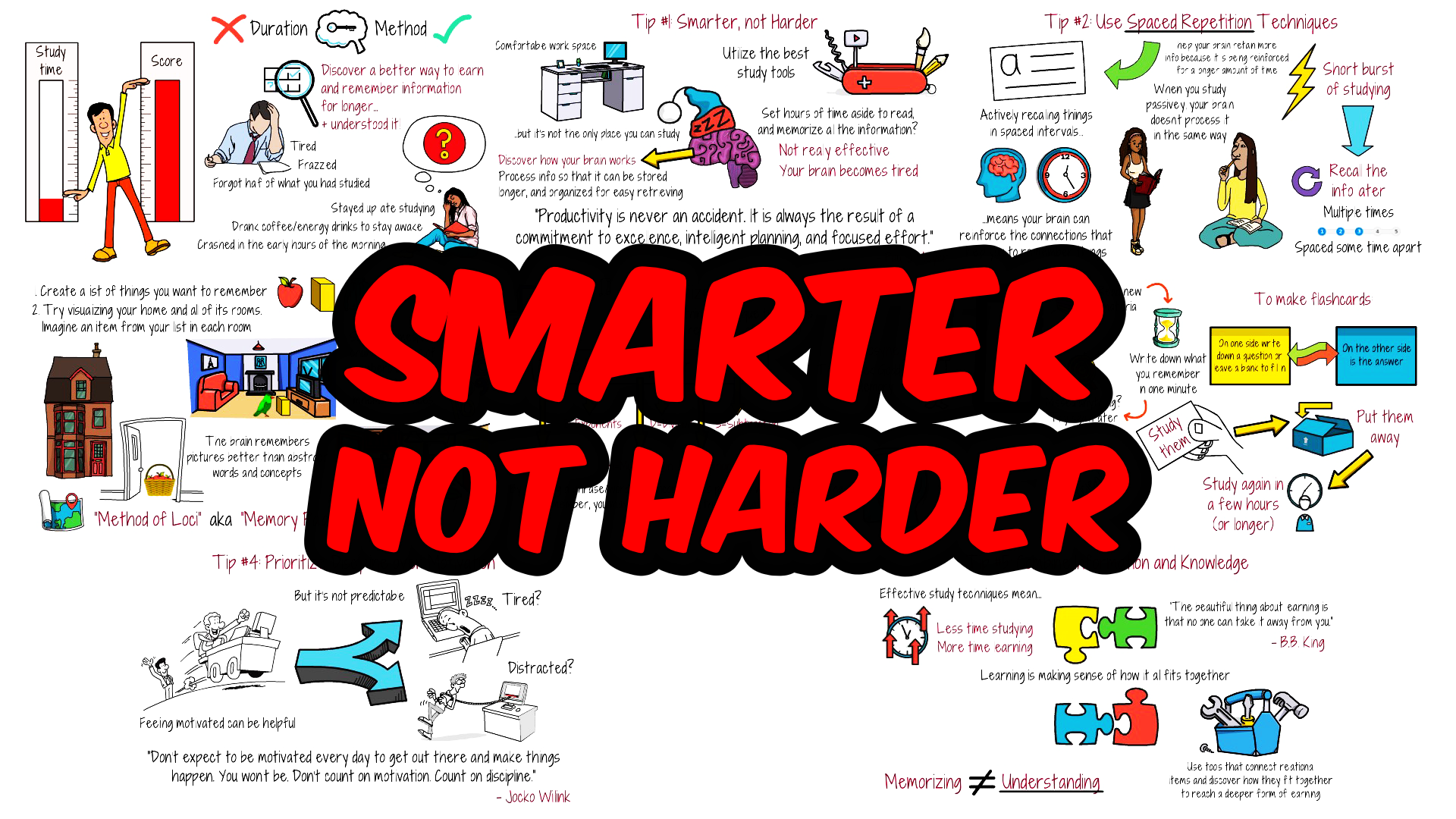
One of the most effective study tips is to break down study sessions into manageable chunks. This technique is called the Pomodoro Technique, and it involves working in focused 25-minute increments, followed by a 5-minute break. After four cycles, take a longer break of 15-30 minutes.
This technique can help you stay focused and avoid burnout. By working in short, focused intervals, you can retain information better and make the most of your study time.
Active Recall and Spaced Repetition
Active recall and spaced repetition are two powerful techniques that can help you retain information and build long-term memory.
Active recall involves actively recalling information from memory rather than simply re-reading it. This can be done through flashcards, practice quizzes, or summarizing notes in your own words.
Spaced repetition involves reviewing material at increasingly longer intervals to help solidify it in your long-term memory. This can be done using flashcards or apps like Anki.

Managing Stress and Staying Motivated
Managing stress and staying motivated are crucial to academic success. Here are a few tips to help you stay on track:
Get enough sleep: Aim for 7-9 hours of sleep per night to help your brain function at its best.
Exercise regularly: Regular exercise can help reduce stress and improve focus.
Connect with others: Join a study group or find a study buddy to help stay motivated and accountable.
Putting it All Together
So, how can you put these study tips into practice? Here's a concise checklist to get you started:
Understand your learning style
Break down study sessions into manageable chunks
Use active recall and spaced repetition
Manage stress and stay motivated
Review and adjust your study approach regularly
FAQs
Here are a few frequently asked questions about study tips and effective learning:
Q: What's the best way to stay focused during study sessions?
One of the best ways to stay focused is to use the Pomodoro Technique, which involves working in focused 25-minute increments, followed by a 5-minute break.
Q: How can I retain information better?
Active recall and spaced repetition are two powerful techniques that can help you retain information and build long-term memory.
Q: What's the importance of understanding my learning style?
Understanding your learning style can help you tailor your study approach to suit your needs, which can lead to more effective learning and better retention.
Q: How can I manage stress and stay motivated?
Managing stress and staying motivated involve getting enough sleep, exercising regularly, and connecting with others.
Final Tips and Encouragement
Mastering study tips takes time and practice, but with persistence and the right approach, you can achieve academic success without sacrificing your well-being. Remember to stay flexible, adjust your study approach as needed, and prioritize your mental and physical health.
By following these study tips and staying committed to your goals, you can overcome obstacles, build confidence, and achieve your full potential. Don't be afraid to try new things, seek help when you need it, and celebrate your successes along the way. You got this!
Related: A Practical Guide to Bible Study Tips for Beginners
Related: What to Know About Cheap Easy Meal Prep Ideas
Related: 5 Useful Things to Know About Travel Checklist Templates
