
Understanding the Importance of Time Management
Effective time management is the backbone of productivity. Without it, even the most skilled and motivated individuals can find themselves overwhelmed, struggling to meet deadlines, and missing out on personal and professional growth opportunities. The ability to manage time wisely allows you to prioritize tasks, make the most of your work hours, and achieve a better balance between your professional and personal life.
Identifying Time Management Challenges
Before diving into solutions, it's crucial to understand the challenges. Common time management pitfalls include procrastination, distractions, poor prioritization, and an inability to say no to non-essential tasks. These issues can stem from a lack of clear goals, inadequate planning, and not having a system in place to track progress and stay organized.
Strategies for Effective Time Management
Prioritization Techniques
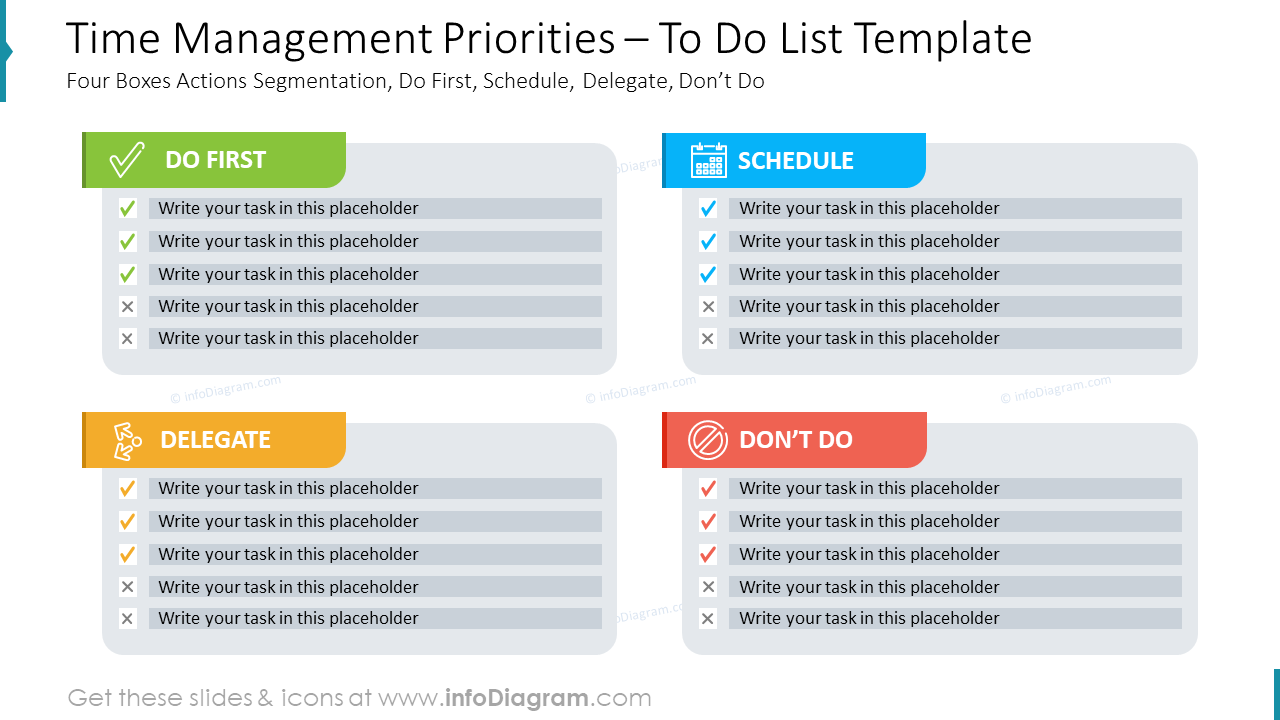
Prioritization is a critical aspect of time management. It involves identifying the most important and urgent tasks and tackling them first. The Eisenhower Matrix is a useful tool for prioritization:
- Urgent and Important (Do First): Deadlines, emergencies, and critical problems.
- Important but Not Urgent (Schedule): Planning, learning, and relationship-building.
- Urgent but Not Important (Delegate): Interruptions, emails, and meetings.
- Not Urgent and Not Important (Eliminate): Time wasters, busywork, and distractions.

Time Blocking
Time blocking involves scheduling your day into fixed, uninterrupted blocks of time dedicated to specific tasks or groups of tasks. This method helps in minimizing distractions and ensuring that you have enough time for all your tasks.
The Pomodoro Technique
The Pomodoro Technique is a time management method developed by Francesco Cirillo in the late 1980s. The technique uses a timer to break down work into intervals (typically 25 minutes) called "Pomodoros," separated by short breaks. This technique can help maintain focus and prevent burnout.
Managing Distractions and Staying Focused
In today's world, distractions are plentiful, ranging from social media and email notifications to chatty coworkers and family members. Managing distractions requires a combination of strategies:
- Create a Conducive Work Environment: This might mean using noise-canceling headphones, finding a quiet spot, or setting up your workspace to minimize interruptions.
- Use Technology Wisely: Tools like website blockers (e.g., Freedom, SelfControl) can help you stay focused by blocking distracting websites or apps during work hours.
- Set Boundaries: Communicate your work hours and needs to colleagues, family, and friends to ensure they understand when you are available and when you need to focus.
Overcoming Procrastination
Procrastination is a common obstacle to effective time management. Overcoming it involves understanding why you procrastinate and implementing strategies to counteract these tendencies:
- Break Tasks into Smaller Steps: Large tasks can be overwhelming, which often leads to procrastination. Breaking them down into smaller, manageable steps makes them less intimidating.
- Set Clear Goals and Deadlines: Having a clear idea of what you want to achieve and by when can motivate you to take action.
- Use the "2-Minute Rule": If a task can be done in less than 2 minutes, do it immediately. This can help build momentum and reduce procrastination.
Achieving Work-Life Balance
Effective time management isn't just about work; it's also about making time for personal activities and self-care. Achieving a work-life balance involves:
- Setting Boundaries: Clearly define your work hours and stick to them as much as possible.
- Scheduling Personal Time: Just as you schedule work tasks, make sure to schedule time for relaxation, exercise, and hobbies.
- Learning to Say No: Be mindful of taking on too much, whether at work or in your personal life. It's okay to say no to requests that don't align with your priorities or that you simply don't have time for.
Frequently Asked Questions
Q: How do I start improving my time management skills?
Begin by tracking how you spend your time for a week or two to identify areas for improvement. Then, set clear goals and priorities, and start implementing time management strategies that work for you.
Q: What is the best time management technique?
The best technique is one that you find effective and can stick to. Experiment with different methods like the Pomodoro Technique, time blocking, and prioritization to find what works best for your lifestyle and preferences.
Q: How can I avoid distractions while working?
Create a conducive work environment, use technology wisely (e.g., website blockers), and set clear boundaries with colleagues, family, and friends.
Q: Can time management reduce stress?
Yes, effective time management can significantly reduce stress by helping you feel more in control of your workload, reducing the likelihood of missed deadlines, and allowing for a better work-life balance.
Conclusion
Mastering time management is a journey that requires patience, self-awareness, and practice. By understanding your challenges, implementing effective strategies, and staying committed to your goals, you can boost your productivity, achieve a better work-life balance, and reduce stress. Remember, the key is to find a system that works for you and to be flexible and willing to make adjustments as needed. With time and effort, you can develop the skills necessary to manage your time wisely and achieve your personal and professional goals.
