
Understanding the Time Management Conundrum
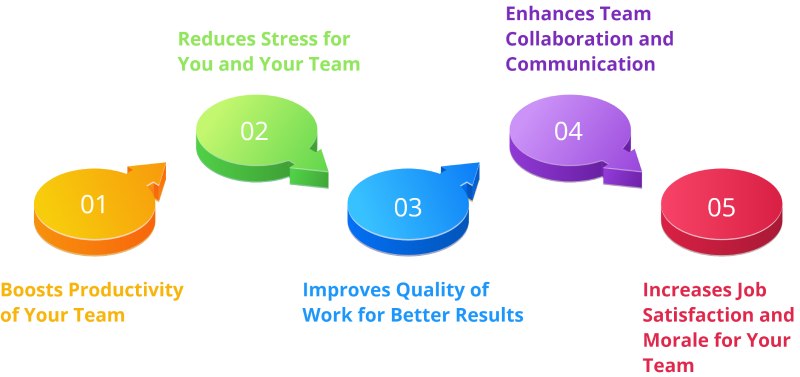
Effective time management is a perpetual challenge for employees across various industries. The quest for productivity often leads to a maze of techniques, tools, and methodologies, leaving many overwhelmed and uncertain about where to start or how to improve. The crux of the matter is not just about finding more hours in the day but optimizing the existing 24 hours to achieve more without sacrificing well-being.
Setting the Foundation: Goal-Based Time Management
The journey to better time management begins with setting clear, achievable goals. This involves distinguishing between urgent and important tasks—a concept popularized by the Eisenhower Matrix. This decision-making tool helps employees prioritize tasks into four quadrants: urgent and important, important but not urgent, urgent but not important, and not urgent or important. By focusing on tasks that are both urgent and important, employees can address critical deadlines and tasks that contribute significantly to their goals.
Breaking Down Large Tasks
Large projects can seem daunting, leading to procrastination. The solution lies in breaking down these projects into smaller, manageable tasks. This technique, known as task segmentation, makes it easier to prioritize, allocate time, and track progress. For instance, a marketing project aimed at launching a new product can be divided into market research, content creation, campaign setup, and analysis. Each of these segments can be tackled individually, making the project less overwhelming.
Time Management Techniques for Enhanced Productivity
Several techniques can help employees manage their time more effectively:
- Pomodoro Technique: Work in focused 25-minute increments, followed by a 5-minute break. After four cycles, take a longer break of 15-30 minutes. This technique can help maintain focus and prevent burnout.
- Time Blocking: Schedule tasks in fixed time slots, allowing for a structured day that can include breaks and unexpected tasks. This method helps in minimizing distractions and ensuring that tasks are completed.
- The Getting Things Done (GTD) Method: Capture all tasks, projects, and ideas in a centralized system. Break down large projects into actionable steps, organize them by context, and review regularly. GTD emphasizes having a clear overview of all tasks and projects.
Balancing Tasks and Well-being
While productivity is a significant concern, employee well-being should not be overlooked. Overworking can lead to burnout, decreased productivity, and health issues. Effective time management must include strategies for maintaining a healthy work-life balance. This might involve setting boundaries, such as not checking work emails outside work hours, taking regular breaks, and ensuring time for physical activity and relaxation.
Tools and Apps for Time Management
In the digital era, numerous tools and apps are available to aid time management. These range from simple to-do lists and timers to comprehensive project management platforms. Some popular options include:
- Trello: A visual project management tool that uses boards, lists, and cards to organize tasks.
- Asana: A work management platform that helps teams stay organized, assign tasks, and track progress.
- RescueTime: An app that tracks how much time you spend on various tasks and applications, providing insights into productivity.
Overcoming Common Time Management Challenges
Employees often face challenges such as procrastination, distractions, and the inability to say no to non-essential tasks. Overcoming these challenges requires a combination of self-discipline, boundary setting, and sometimes, learning to delegate. Understanding the root cause of these challenges is the first step towards addressing them.
Case Study: Implementing Time Management Strategies
A marketing firm noticed a significant drop in employee satisfaction and productivity due to heavy workloads and lack of clear priorities. By implementing goal-based time management, introducing the Pomodoro Technique, and utilizing project management tools, the firm saw a 30% increase in productivity and a marked improvement in employee satisfaction.
Frequently Asked Questions
Q: How can I prioritize tasks effectively?
Use the Eisenhower Matrix to categorize tasks into urgent vs. important and focus on tasks that are both urgent and important.
Q: What are some simple time management techniques for beginners?
The Pomodoro Technique and Time Blocking are straightforward methods to enhance focus and structure your day.
Q: How can I avoid burnout while trying to increase productivity?
Ensure you take regular breaks, maintain a healthy work-life balance, and set realistic goals.
Q: Are there any recommended tools for time management?
Yes, tools like Trello, Asana, and RescueTime can help organize tasks, manage projects, and track time spent on activities.
Final Takeaways
Mastering time management is a continuous process that involves understanding your work style, setting clear goals, and employing the right techniques and tools. By prioritizing effectively, managing distractions, and maintaining a healthy work-life balance, employees can significantly boost their productivity without succumbing to stress. The key is to find what works best for you and your team, be flexible, and continually assess and adjust your strategies.
Related: Plan Your Content with a Free Content Calendar Template
