
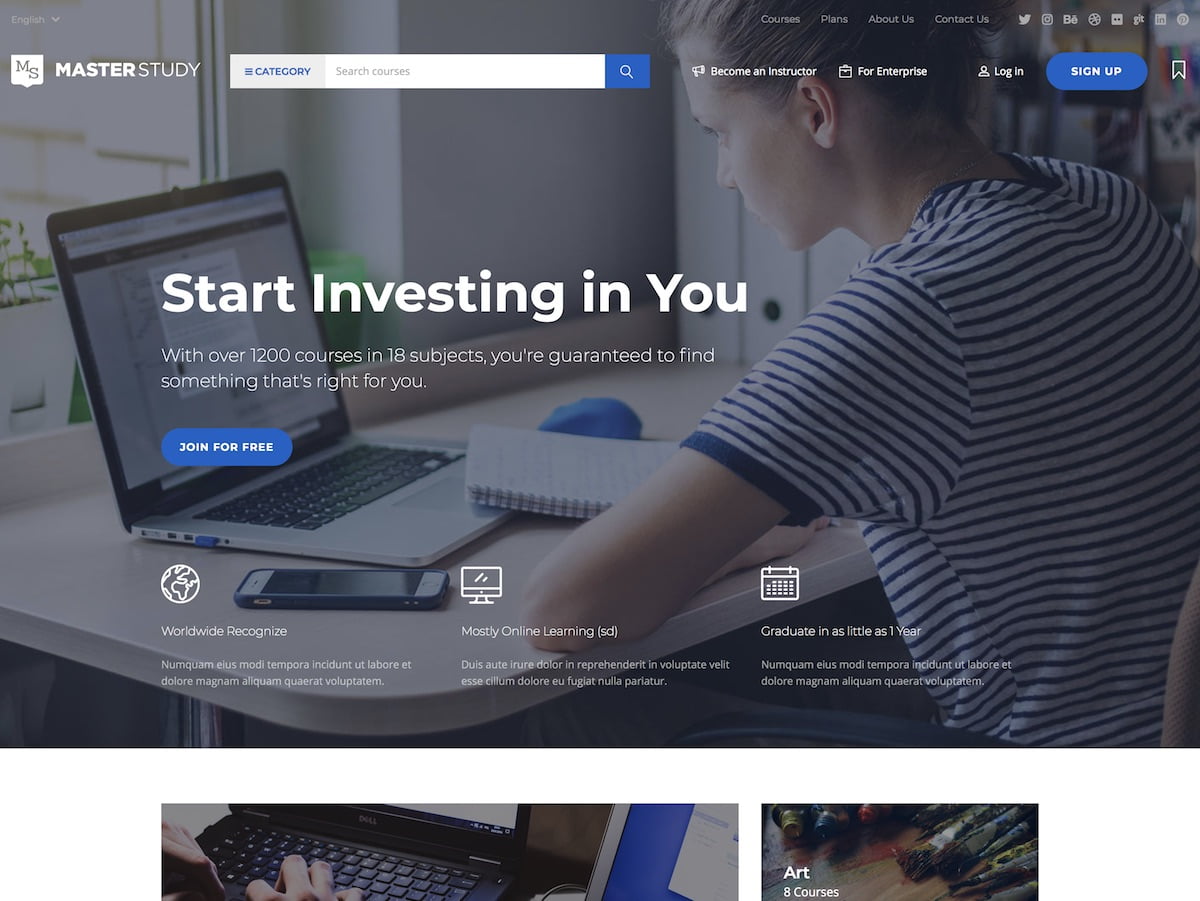
As the world shifts towards digital education, many students are finding themselves navigating the challenges of online learning. While it offers flexibility and convenience, online learning requires a different set of skills and strategies to succeed. In this article, we'll explore the most effective study tips for online learning, helping you stay motivated, manage your time, and retain information.
Staying Motivated in Online Learning
One of the biggest hurdles in online learning is staying motivated. Without a traditional classroom environment, it's easy to fall behind or lose focus. To combat this, set clear goals for yourself, both short-term and long-term. Break down larger goals into smaller, achievable milestones, and celebrate your successes along the way.
Consider using the Pomodoro Technique, which involves working in focused 25-minute increments, followed by a 5-minute break. This technique can help you stay focused and avoid burnout. Additionally, find a study buddy or join an online community to connect with fellow students, share resources, and stay motivated.

Time Management Strategies for Online Learning
Effective time management is crucial in online learning. Create a schedule that works for you, setting aside dedicated blocks of time for studying, assignments, and reviewing material. Prioritize your tasks, focusing on the most challenging or time-sensitive ones first.
Use a planner, calendar, or app to stay organized and on track. Consider setting reminders, alarms, or notifications to ensure you stay on schedule. Be realistic about your time commitments, leaving some buffer for unexpected tasks or emergencies.
Retention and Engagement Strategies
Retention and engagement are critical components of online learning. To retain information, use active learning techniques such as summarizing notes in your own words, creating concept maps, or making flashcards. Engage with the material by asking questions, seeking clarification, and exploring real-world applications.
Consider using different senses to learn, such as watching videos, listening to podcasts, or reading textbooks. This multisensory approach can help solidify information in your long-term memory. Additionally, take breaks to review and reflect on your learning, making adjustments as needed.

Choosing the Right Online Learning Environment
When it comes to online learning, the environment can greatly impact your success. Consider the following factors when selecting an online course or program:
Level of interaction: Look for courses with interactive elements, such as live webinars, discussion forums, or peer review.
Instructor support: Ensure that the instructor is responsive, available for questions, and provides constructive feedback.
Technical support: Check that the platform is user-friendly, with clear instructions and minimal technical issues.
Comparison of Online Learning Platforms
| Platform | Interaction Level | Instructor Support | Technical Support |
|---|---|---|---|
| Udemy | Medium | Limited | Good |
| Coursera | High | Good | Excellent |
| edX | High | Excellent | Excellent |
| Online degree programs | Low-Medium | Good-Excellent | Good-Excellent |
While each platform has its strengths and weaknesses, consider your learning style, goals, and preferences when selecting a platform.
Overcoming Common Challenges in Online Learning
Online learning comes with its own set of challenges, from technical issues to self-motivation. Here are some common obstacles and strategies for overcoming them:
Technical issues: Have a backup plan, such as a different device or internet connection, and report issues promptly to technical support.
Self-motivation: Find an accountability partner, set achievable goals, and reward yourself for milestones reached.
Time management: Prioritize tasks, use time-blocking, and avoid procrastination.
Frequently Asked Questions
Q: How do I stay motivated in online learning?
Set clear goals, use the Pomodoro Technique, and connect with fellow students or a study buddy.
Q: What are the most effective time management strategies for online learning?
Create a schedule, prioritize tasks, and use a planner or app to stay organized.
Q: How can I retain information in online learning?
Use active learning techniques, engage with the material, and review regularly.
Q: What are the key factors to consider when choosing an online learning platform?
Interaction level, instructor support, and technical support are crucial factors to consider.
Conclusion
Online learning offers a flexible and convenient way to acquire new skills and knowledge. By implementing effective study tips, such as staying motivated, managing time, and retaining information, you can succeed in online learning. Choose the right online learning environment, overcome common challenges, and stay committed to your goals. With persistence and the right strategies, you can achieve your academic and professional objectives.
Related: Meal Prep Ideas for a Week: What Actually Makes Sense?
Related: Budgeting for Small Business: What Actually Makes Sense?
