

As a dog owner, there's nothing more important than ensuring your furry friend lives a happy, healthy life. With so many pet care tips out there, it can be overwhelming to determine what actually makes sense. In this article, we'll cut through the noise and provide you with practical, expert-backed advice on how to give your dog the best life possible.
Nutrition: The Foundation of Good Health
When it comes to dog care, nutrition is key. A well-balanced diet provides your dog with the energy and nutrients they need to thrive. But with so many dog food options on the market, how do you choose the right one? Here are a few things to consider:
Look for high-quality protein sources like chicken, salmon, or lamb as the first ingredient
Avoid fillers and by-products, which can be difficult for your dog to digest
Consider your dog's life stage and lifestyle when selecting a food (e.g., puppy, adult, or senior)
Consult with your veterinarian to determine the best diet for your dog
Some dog owners swear by raw or homemade diets, but is this really the best approach? While these diets can be beneficial for some dogs, they can also be time-consuming and expensive. A more practical approach might be to choose a high-quality commercial dog food that's formulated to meet your dog's nutritional needs.
Grooming: More Than Just a Pretty Face
Grooming is an essential part of dog care, but it's not just about looks. Regular grooming can help prevent health issues like skin irritations, ear infections, and dental problems. Here are a few grooming tips to keep in mind:
Brush your dog regularly to prevent matting and tangling
Trim your dog's nails to prevent overgrowth
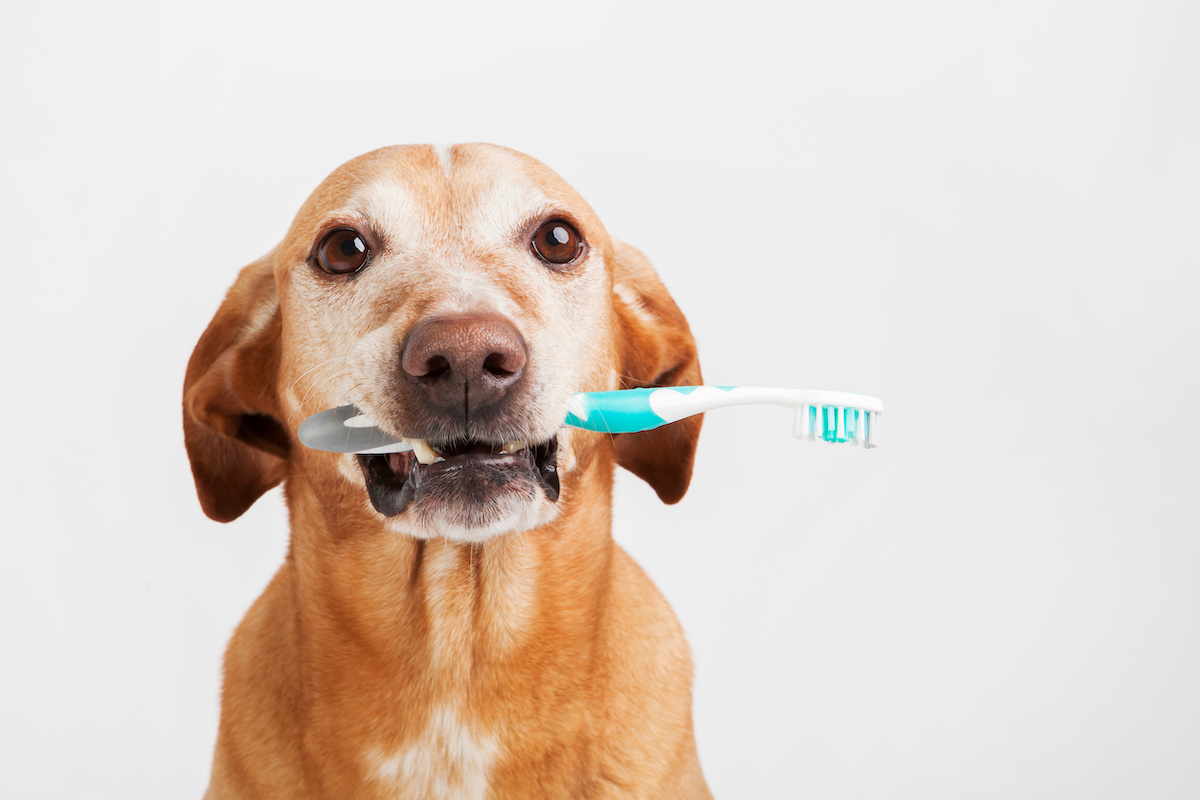
Clean your dog's ears and teeth regularly to prevent infections
Bathe your dog as needed, but avoid over-bathing, which can strip their coat of natural oils
Exercise: Keeping Your Dog Happy and Healthy
Exercise is crucial for your dog's physical and mental well-being. But how much exercise does your dog really need? The answer depends on your dog's age, breed, and lifestyle. Here are a few exercise tips to keep in mind:
Aim for at least 30 minutes of exercise per day
Mix up your dog's exercise routine to prevent boredom and prevent overuse injuries
Consider high-intensity activities like agility training or running, but also make time for low-impact activities like walking or yoga
Health Checks: Staying on Top of Your Dog's Health
Regular health checks are essential for catching health issues early. Here are a few things to look out for:
Monitor your dog's appetite and water intake
Keep an eye on your dog's stool quality and urine output
Check your dog's skin and coat for signs of irritation or infection
Schedule regular check-ups with your veterinarian to stay on top of your dog's health
Common Mistakes to Avoid
When it comes to dog care, it's easy to make mistakes. Here are a few common mistakes to avoid:
Overfeeding: Too many treats and table scraps can lead to obesity and other health issues
Under-exercising: A lack of exercise can lead to boredom, destructive behavior, and health problems
Not providing enough mental stimulation: Dogs need mental stimulation to prevent boredom and stress
Not staying on top of preventative care: Regular check-ups and preventative care like vaccinations and parasite control are crucial for your dog's health
What Actually Makes Sense?
So, what actually makes sense when it comes to dog care? Here are a few key takeaways:
Prioritize high-quality nutrition and regular exercise
Stay on top of preventative care and health checks
Provide mental stimulation and plenty of love and attention
- Avoid common mistakes like overfeeding and under-exercising
By following these tips, you can give your dog the best life possible. Remember, every dog is different, so be sure to tailor your approach to your dog's individual needs.
Frequently Asked Questions
Q: How often should I bathe my dog?
The frequency of bathing depends on your dog's lifestyle and coat type. As a general rule, bathe your dog every 1-3 months.
Q: Can I give my dog table scraps?
While it's tempting to give your dog table scraps, it's generally not a good idea. Table scraps can lead to obesity and other health issues.
Q: How much exercise does my dog need?
The amount of exercise your dog needs depends on their age, breed, and lifestyle. Aim for at least 30 minutes of exercise per day.
Q: What are the most common health issues in dogs?
Common health issues in dogs include dental problems, skin irritations, and obesity. Regular check-ups and preventative care can help catch these issues early.
Closing
Taking care of your dog is a big responsibility, but it's also incredibly rewarding. By prioritizing high-quality nutrition, regular exercise, and preventative care, you can give your dog the best life possible. Remember to stay informed, stay vigilant, and always put your dog's needs first. With a little love, attention, and care, you can help your dog live a happy, healthy life.
