

Resume Templates for Beginners: What Actually Makes Sense?
As a recent graduate or someone entering the job market for the first time, creating a strong resume can be daunting. With so many templates and designs available, it's hard to know where to start. In this article, we'll explore the best resume templates for beginners, what makes them effective, and how to customize them to increase your chances of landing an interview.
Choosing the Right Template
When it comes to selecting a resume template, there are several factors to consider. You want a template that is clean, easy to read, and showcases your skills and experience. Here are a few popular options:
Chronological template: This template is ideal for those with a clear work history. It lists your work experience in reverse chronological order, with the most recent experience first.
Functional template: This template is best for those with gaps in their work history or limited experience. It focuses on your skills and qualifications rather than your work history.
Combination template: This template combines the best of both worlds, highlighting your skills and experience in a clear and concise manner.
What to Look for in a Resume Template
When evaluating a resume template, keep the following features in mind:
Clean design: A clean and simple design makes it easy for the hiring manager to scan your resume and focus on your qualifications.
Clear headings: Clear headings and labels help to organize your resume and make it easy to read.
Bullet points: Bullet points are a great way to break up large blocks of text and highlight your achievements.
White space: Ample white space makes your resume easy to read and helps to prevent it from looking cluttered.
Customizing Your Template
Once you've chosen a template, it's time to customize it to fit your needs. Here are a few tips:
Tailor your objective: Your objective should be tailored to the specific job you're applying for. Use keywords from the job posting to describe your career goals and qualifications.
Highlight your achievements: Instead of just listing your job responsibilities, focus on the specific achievements and results you've achieved in your previous roles.
Use keywords: Many companies use applicant tracking systems (ATS) to screen resumes before they even reach a human recruiter. Use keywords from the job posting to increase your chances of passing the ATS.
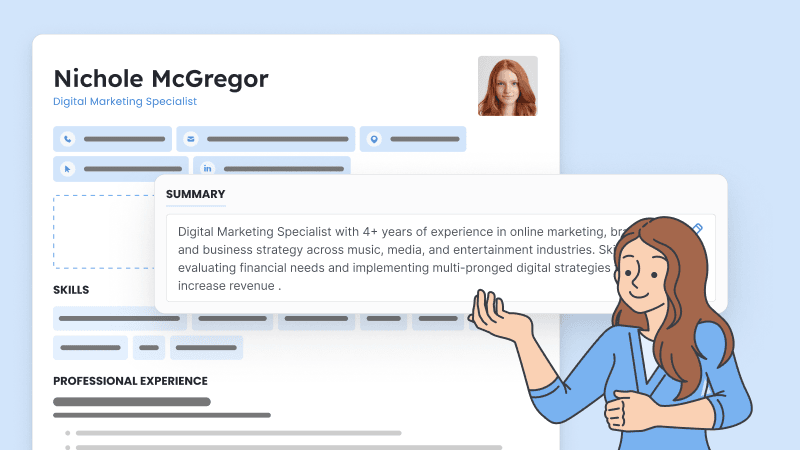
Resume Template Comparison
| Template | Best for | Features |
|---|---|---|
| Chronological | Those with a clear work history | Lists work experience in reverse chronological order |
| Functional | Those with gaps in their work history or limited experience | Focuses on skills and qualifications |
| Combination | Those who want to showcase both skills and experience | Combines elements of chronological and functional templates |
Common Mistakes to Avoid
When creating your resume, there are several common mistakes to avoid:
Typos and grammatical errors: A single mistake can make a negative impression and hurt your chances of getting hired.
Lack of relevance: Make sure your resume is tailored to the specific job you're applying for.
Poor formatting: Use a clean and easy-to-read format to make your resume easy to scan.
Building Trust with Your Resume
Your resume is often the first impression you make on a potential employer. Here are a few tips to build trust and credibility:
Be honest: Make sure your resume accurately reflects your experience and qualifications.
Use specific numbers: Instead of just listing your job responsibilities, use specific numbers and metrics to demonstrate your achievements.
Include relevant sections: Make sure to include relevant sections such as a summary or objective statement, education, and work experience.
FAQs
Q: What is the best resume template for a beginner? The best resume template for a beginner is one that is clean, easy to read, and showcases your skills and experience. A chronological or combination template is often a good choice.
Q: How do I customize my resume template?
Customize your resume template by tailoring your objective, highlighting your achievements, and using keywords from the job posting.
Q: What are some common mistakes to avoid in a resume?
Common mistakes to avoid in a resume include typos and grammatical errors, lack of relevance, and poor formatting.
Q: How long should my resume be?
Your resume should be one to two pages in length. Make sure to focus on the most important information and use clear and concise language.
Final Tips
Creating a strong resume takes time and effort, but it's worth it to increase your chances of landing an interview. Here are a few final tips:
Use a clear and concise writing style: Avoid using jargon or overly technical language.
Proofread carefully: Make sure to proofread your resume multiple times to catch any mistakes.
- Get feedback: Ask a friend or mentor to review your resume and provide feedback.
Related: A Practical Guide to Studying Film Online: Tips and Strategies
