

Planning Your Website: The Foundation of Success
When it comes to building a website, it's easy to get caught up in the excitement of designing a visually stunning site. However, a successful website starts with a solid plan. Before you begin building, take the time to define your goals, identify your target audience, and research your competition.
Understanding your goals is crucial in determining the direction of your website. Are you looking to create a simple blog, an e-commerce site, or a complex web application? Knowing your goals will help you make informed decisions about the features and functionality you need.
Your target audience is also a critical component of your website's success. Who are they? What are their needs and pain points? What motivates them to engage with your content? By understanding your audience, you can create a website that speaks to them and meets their expectations.
Website Building Options: DIY or Professional?
When it comes to building a website, you have two primary options: DIY or hire a professional. The DIY approach can be cost-effective and empowering, but it requires a significant amount of time and technical expertise. On the other hand, hiring a professional can be more expensive, but it ensures a high-quality website that meets your needs.
Comparison Table: DIY vs. Professional Website Building
| DIY Website Building | Professional Website Building |
|---|---|
| <strong>Cost</strong> | $10-$50/month |
| <strong>Time</strong> | Several hours to several days |
| <strong>Expertise</strong> | Requires technical expertise |
| <strong>Quality</strong> | Variable quality |
Designing for User Experience
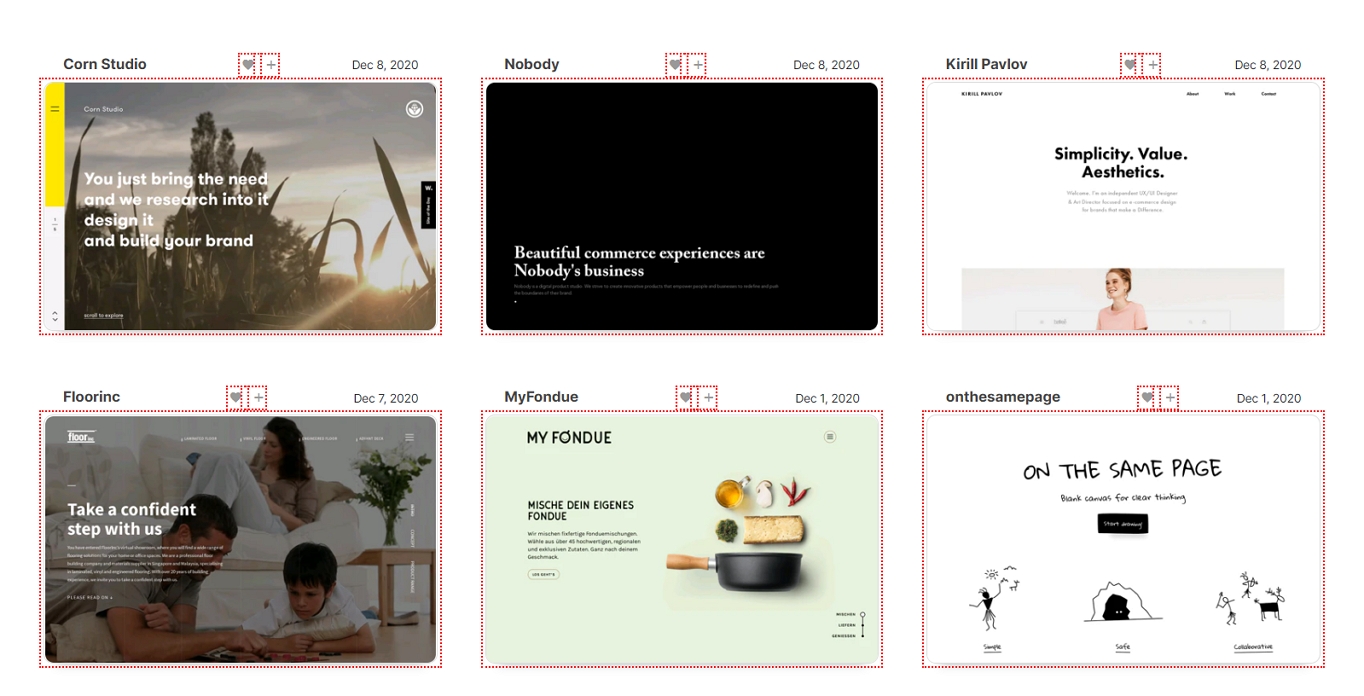
A well-designed website is essential for providing a positive user experience. Your website's design should be clean, intuitive, and visually appealing. Here are some key design principles to keep in mind:
Keep it simple: Avoid clutter and ensure that your website's navigation is easy to use.
Use a responsive design: Ensure that your website looks great on all devices, from desktops to smartphones.
Choose a clear typography: Select a font that is easy to read and consistent throughout your website.
Building Your Website: The Technical Aspects
Once you have a solid plan and design, it's time to build your website. This involves several technical aspects, including:
Choosing a web host: Select a reliable web host that meets your needs and budget.
Selecting a content management system (CMS): Choose a CMS that is easy to use and flexible, such as WordPress or Joomla.
Installing necessary plugins and themes: Add functionality and design to your website with plugins and themes.
Launching and Promoting Your Website
Launching your website is just the first step. To ensure its success, you need to promote it effectively. Here are some strategies to consider:
Search engine optimization (SEO): Optimize your website for search engines to improve your visibility and drive organic traffic.
Social media marketing: Use social media to promote your website and engage with your audience.
Content marketing: Create high-quality content that attracts and retains your target audience.
Common Website Building Mistakes to Avoid
When building a website, it's easy to make mistakes that can negatively impact your online presence. Here are some common mistakes to avoid:
Poor navigation: Make sure your website's navigation is easy to use and intuitive.
Slow loading speeds: Optimize your website's images and code to improve loading speeds.
Lack of mobile-friendliness: Ensure that your website looks great on all devices, including smartphones and tablets.
Website Building Checklist
Before launching your website, make sure to:
Test for usability: Ensure that your website is easy to use and navigate.
Test for accessibility: Ensure that your website is accessible to all users, including those with disabilities.
- Test for performance: Ensure that your website loads quickly and efficiently.
Frequently Asked Questions
Q: What is the best way to build a website?
The best way to build a website depends on your goals, budget, and technical expertise. You can use a DIY website builder, hire a professional, or use a CMS like WordPress.
Q: How much does it cost to build a website?
The cost of building a website varies widely, from $10 to $50 per month for DIY website builders to $500 to $5,000 or more for professional website development.
Q: What is the importance of mobile-friendliness?
Mobile-friendliness is crucial in today's digital landscape, as more and more users access websites on their smartphones and tablets. A mobile-friendly website ensures a positive user experience and improves search engine rankings.
Conclusion
Building a successful website requires careful planning, attention to design and user experience, and a solid understanding of technical aspects. By following these website building tips and ideas, you can create a website that meets your goals and provides a positive experience for your target audience.
