
Crafting the Foundation: Understanding the Importance of an Online Course Outline Template
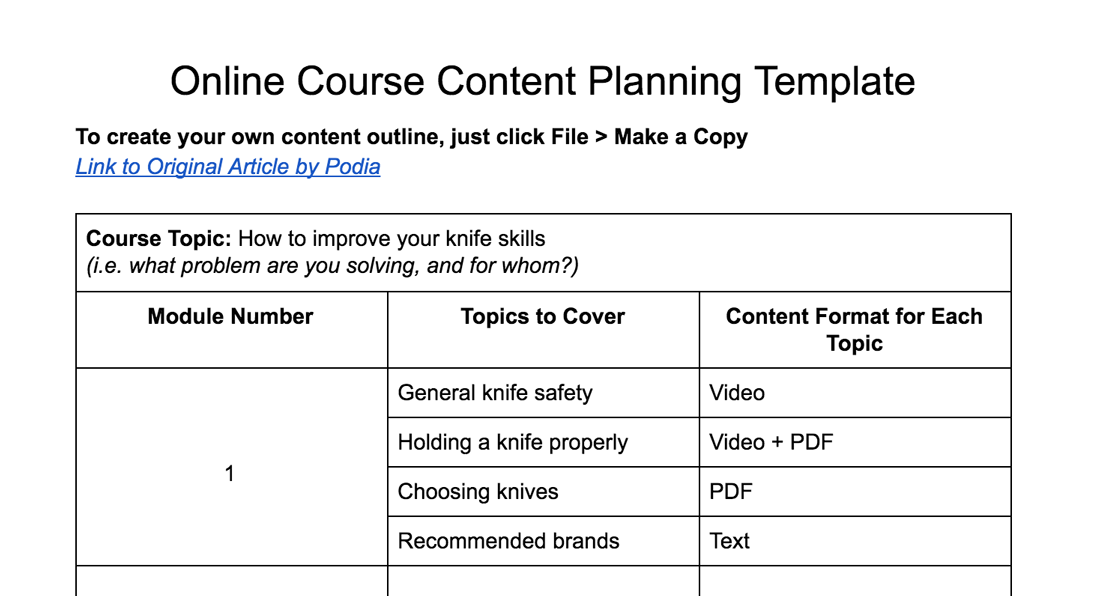
When you're about to create an online course, the excitement of sharing your knowledge with students can sometimes overshadow the nitty-gritty details of planning. However, a well-structured online course outline template is your blueprint for success. It not only helps you organize your thoughts and materials but also ensures your course flows logically, engaging your students from start to finish. Think of it as the architectural plan for your educational building; without it, you risk a structure that's weak, unfocused, and likely to collapse under the weight of its own ambition.
Identifying Your Course Objectives
Before you start outlining, you need to clearly define what your course aims to achieve. What are the main skills or knowledge areas you want your students to take away? Establishing clear, measurable objectives sets the stage for your course content and helps you stay focused. For example, if you're creating a course on digital marketing, your objectives might include understanding SEO basics, learning how to create effective social media campaigns, and developing a simple content marketing strategy.
Breaking Down Your Objectives into Manageable Modules
Once you have your objectives, it's time to break them down into manageable chunks. This usually involves creating modules or lessons that each tackle a specific part of your overall goal. A good rule of thumb is to keep each module focused on one key concept or skill. This not only makes it easier for your students to digest the information but also allows you to assess their progress more effectively.
Designing Your Online Course Outline Template
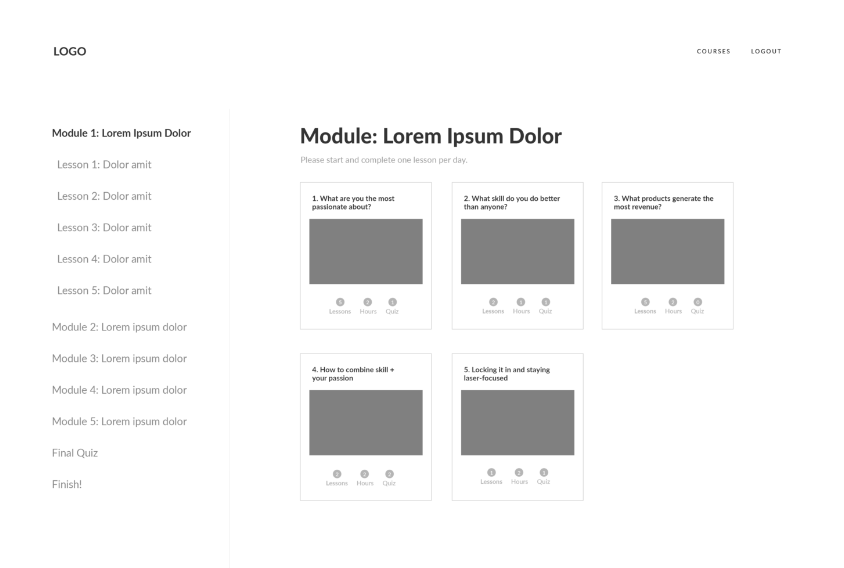
With your objectives and modules in place, you're ready to start designing your online course outline template. This is where you get into the specifics of what each module will cover, including any readings, assignments, quizzes, or discussions. A basic template might include sections for:
- Module Title and Description: A brief overview of what the module covers and what students can expect to learn.
- Learning Objectives: Specific, measurable goals for what students should achieve by completing the module.
- Content and Resources: List of readings, videos, or other materials needed for the module.
- Activities and Assessments: Description of any assignments, quizzes, or discussions that will be used to evaluate student understanding.
Choosing the Right Tools for Your Course Outline
There are countless tools and software available to help you create and manage your online course outline template. Some popular options include:
- Mind Mapping Software: Tools like MindMeister or Coggle are great for visually mapping out your course structure and can be easily shared with team members or stakeholders.
- Project Management Tools: Platforms like Trello, Asana, or Basecamp can help you organize your course content and track progress.
- Elearning Platforms: Many elearning platforms, such as Teachable, Thinkific, or Kajabi, offer built-in course outline templates and tools to help you design and manage your course.
Practical Tips for Creating an Engaging Course Outline
- Keep it Flexible: Your course outline doesn't have to be set in stone. Be prepared to make adjustments as needed based on student feedback or changes in your content.
- Make it Visual: Incorporate images, videos, or other multimedia elements to break up text and keep your students engaged.
- Focus on Student Experience: Consider the student experience at every stage of your course. How will they navigate your content? What support systems will you have in place?
Comparing Course Outline Templates: What to Look For
When searching for an online course outline template, you might come across a variety of examples. Here are a few key features to look for:
| <strong>Feature</strong> | <strong>Description</strong> |
|---|---|
| <strong>Customizability</strong> | Can you easily add or remove sections to fit your course needs? |
| <strong>Collaboration Tools</strong> | Is it easy to work with team members or stakeholders on the course outline? |
| <strong>Integration</strong> | Does the template integrate with other tools or platforms you're using? |
Building Trust: Best Practices for Your Course Outline
To ensure your course outline template is effective, follow these best practices:
- Be Clear and Concise: Avoid jargon or overly technical language that might confuse your students.
- Use Consistent Formatting: Keep your formatting consistent throughout the course to make it easier to follow.
- Test and Iterate: Test your course outline with a small group of students or peers and make adjustments based on feedback.
Frequently Asked Questions
Q: How do I choose the right online course outline template for my needs?
Consider your course objectives, the complexity of your content, and the tools you're already using. Look for a template that's customizable and integrates well with your existing workflow.
Q: Can I use a project management tool as my course outline template?
Yes, project management tools can be a great way to organize your course content and track progress. Just make sure it's user-friendly for your students.
Q: How often should I update my course outline template?
Regularly review and update your course outline to reflect changes in your content, student feedback, and course objectives.
Wrapping Up: Your Path to a Successful Online Course
Creating an effective online course outline template is a critical step in developing a successful online course. By understanding your objectives, designing a clear and logical structure, and choosing the right tools, you can create a course that engages your students and helps them achieve their goals. Remember, your course outline is a living document; be prepared to make adjustments as needed to ensure the best possible learning experience for your students.
