
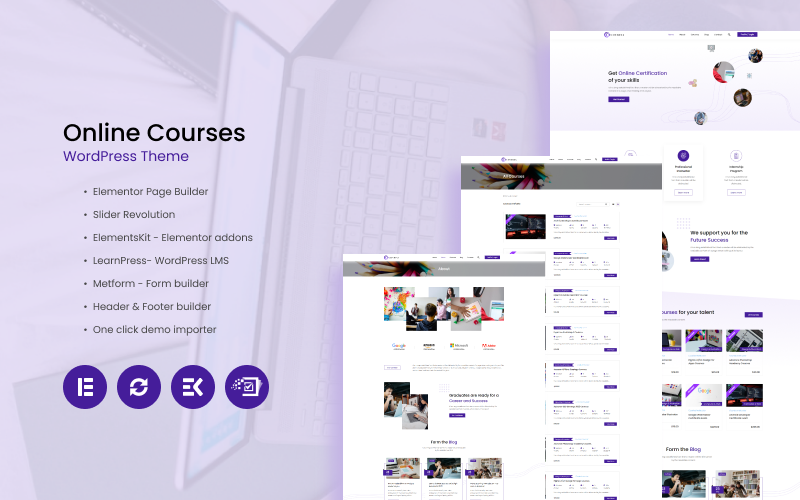
Getting Started with WordPress Online Courses
Creating an online course can be a fantastic way to share your expertise, build a community, and generate passive income. With WordPress, the process becomes even more accessible, thanks to its extensive library of themes and plugins designed specifically for online learning. However, with so many options available, it can be challenging to know where to start. This article aims to guide you through the process of creating WordPress online courses using templates, ensuring you can focus on what matters most: delivering high-quality content to your students.
Choosing the Right Template for Your Online Course
When it comes to selecting a template for your WordPress online course, there are several factors to consider. The template should not only reflect the quality and professionalism of your course but also provide a seamless learning experience for your students. Here are a few key considerations:
- Responsiveness: Ensure the template is mobile-friendly, as a significant portion of users will access your course on their smartphones or tablets.
- Customizability: A template that offers a high degree of customizability will allow you to tailor the design to your brand and course specifics.
- Integration with Learning Management Systems (LMS): If you plan to use an LMS plugin like LearnDash, WP Courseware, or Tutor LMS, make sure the template supports easy integration.
Some popular WordPress templates for online courses include:
- LearnDash Themes: Specifically designed for use with the LearnDash LMS plugin, these themes offer seamless integration and a range of customization options.
- Eduma: A versatile theme designed for educational websites and online courses, offering compatibility with several LMS plugins.
- Course Builder: As the name suggests, this theme is perfect for creating online courses, with features like customizable layouts and support for popular LMS plugins.
Essential Plugins for Enhancing Your Online Course
Beyond choosing the right template, plugins play a crucial role in enhancing the functionality of your online course. Here are some essential plugins to consider:
LMS Plugins
- LearnDash: A powerful LMS plugin that allows you to create and sell courses, with features like course and lesson creation, quizzes, and certificates.
- Tutor LMS: A user-friendly LMS plugin offering features such as course creation, student management, and a built-in chat system for support.

Engagement and Interaction Plugins
- WPForo: A forum plugin that enables you to create a community around your course, fostering discussion and engagement among students.
- BuddyPress: A plugin that adds social networking features to your WordPress site, allowing students to connect and interact with each other.
Designing an Engaging Learning Experience
The design of your online course plays a significant role in student engagement and outcomes. Here are some tips for creating an engaging learning experience:
- Clear Navigation: Ensure that your course is easy to navigate, with clear instructions and minimal cognitive load.
- Interactive Elements: Incorporate interactive elements like quizzes, gamification, and discussion forums to keep students engaged.
- Mobile Optimization: With many students accessing courses on mobile devices, ensure that your course content is optimized for smaller screens.
Monetizing Your Online Course
Once you've created your online course, the next step is to monetize it. Here are some strategies to consider:
- Subscription Model: Offer access to the course for a recurring fee, providing students with ongoing access to updates and support.
- One-Time Payment: Sell access to the course for a one-time fee, which can be a straightforward way to generate income.
- Course Bundles: Offer bundles of courses at a discounted rate, encouraging students to purchase more content.
Common Mistakes to Avoid
When creating and selling online courses with WordPress, there are several common mistakes to avoid:
- Overcomplicating the Course Structure: Keep your course structure simple and intuitive, avoiding unnecessary complexity.
- Ignoring Student Feedback: Regularly solicit and act on student feedback to improve the course and enhance the learning experience.
- Underestimating Marketing Efforts: Don't underestimate the importance of marketing your course, using channels like social media, email marketing, and affiliate marketing to reach potential students.
Frequently Asked Questions
Q: What is the best LMS plugin for WordPress?
The best LMS plugin for WordPress depends on your specific needs, but popular options include LearnDash, WP Courseware, and Tutor LMS.
Q: How do I choose the right template for my online course?
Consider factors like responsiveness, customizability, and integration with your chosen LMS plugin when selecting a template.
Q: Can I create a mobile-friendly online course with WordPress?
Yes, by choosing a mobile-friendly template and ensuring that your course content is optimized for smaller screens, you can create a mobile-friendly online course.
Q: How do I market my online course effectively?
Use a combination of strategies like social media marketing, email marketing, and affiliate marketing to reach potential students and encourage them to enroll in your course.
Conclusion
Creating a successful online course with WordPress requires careful consideration of several factors, from choosing the right template and plugins to designing an engaging learning experience and effectively monetizing your course. By following the guidelines outlined in this article, you can create a high-quality online course that attracts and engages students, helping you achieve your educational and financial goals.
Related: Affordable Resume Templates in Sydney for Job Seekers
Related: 5 Useful Things to Know About Starting Small Business Ideas
Related: A Practical Guide to Study Tips for Auditory Learners
Related: Cheap Resume Templates in Rio: What Actually Makes Sense?
