

As any dog owner knows, there's nothing quite like the joy of having a furry friend by your side. But with that joy comes a tremendous amount of responsibility. Keeping your dog healthy and happy requires a lot more than just providing food and water. From regular veterinary check-ups to a balanced diet and plenty of exercise, there are many factors to consider when it comes to dog health.
Understanding Common Health Issues in Dogs
Dogs, like humans, can suffer from a wide range of health issues. Some of the most common health problems in dogs include hip dysplasia, ear infections, and dental issues. Hip dysplasia, for example, is a genetic condition that affects many breeds, particularly larger ones. It can cause arthritis, pain, and mobility issues if left untreated. Ear infections, on the other hand, can be caused by a variety of factors, including allergies, wax buildup, and moisture.
The Importance of Regular Veterinary Check-Ups
Regular veterinary check-ups are crucial for maintaining your dog's health. During these check-ups, your vet can monitor your dog's overall health, catch any potential issues early, and provide guidance on how to prevent common health problems. For example, your vet can:
Monitor your dog's weight and body condition to prevent obesity
Check for signs of dental issues, such as tartar buildup and gum disease
Perform routine blood tests to detect potential health problems, such as diabetes and kidney disease
Nutrition and Diet: The Foundation of Dog Health
A balanced diet is essential for maintaining your dog's overall health. With so many different dog food options available, it can be overwhelming to choose the right one. Here are a few things to consider when selecting a dog food:
Look for high-quality protein sources, such as chicken, salmon, or lamb
Choose a food that is rich in whole grains, fruits, and vegetables
Avoid fillers and by-products, which can be difficult for your dog to digest
The Benefits of a Raw Diet
Some dog owners swear by the benefits of a raw diet, which consists of uncooked meat, bones, and vegetables. Proponents of raw diets argue that they can help improve digestion, increase energy, and even reduce the risk of certain health problems. However, it's essential to do your research and consult with your vet before making any significant changes to your dog's diet.
Exercise and Mental Stimulation: The Keys to a Happy Dog
Exercise and mental stimulation are just as important as nutrition when it comes to maintaining your dog's overall health. Dogs need regular exercise to stay happy and healthy, and a lack of physical activity can lead to a range of problems, including obesity, anxiety, and depression.
The Benefits of Regular Walks
Regular walks are an excellent way to provide your dog with the exercise they need. Not only do walks provide physical activity, but they also offer mental stimulation and can help reduce stress and anxiety. Here are a few tips for making the most of your walks:
Aim for at least 30 minutes of exercise per day
Mix up your route to provide mental stimulation and prevent boredom
Consider incorporating training sessions into your walks to challenge your dog's mind
Grooming and Hygiene: The Importance of Regular Maintenance
Regular grooming and hygiene are essential for maintaining your dog's overall health. Here are a few things to consider:
Brush your dog regularly to prevent matting and tangling
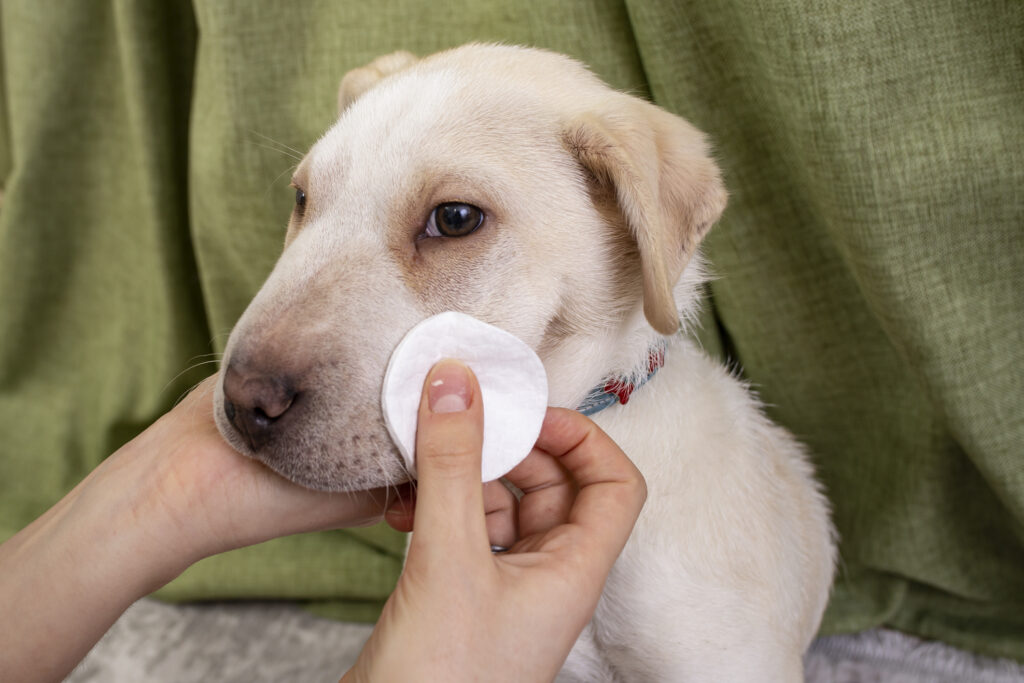
Clean your dog's ears and eyes regularly to prevent infections
Trim your dog's nails regularly to prevent overgrowth
The Benefits of Regular Grooming
Regular grooming can help improve your dog's overall health in a range of ways. For example, regular brushing can help reduce shedding, prevent matting, and even improve your dog's coat condition. Additionally, regular grooming can provide an opportunity to check for signs of health problems, such as skin irritations and fleas.
Common Mistakes to Avoid
As a dog owner, it's easy to get caught up in the day-to-day responsibilities of caring for your furry friend. However, there are a few common mistakes to avoid when it comes to dog health:
Not providing enough exercise: Regular exercise is essential for maintaining your dog's physical and mental health.
Not monitoring your dog's diet: A balanced diet is crucial for maintaining your dog's overall health.
Not providing regular veterinary care: Regular veterinary check-ups are essential for catching potential health issues early and preventing common health problems.
Frequently Asked Questions
Here are a few frequently asked questions about dog health:
Q: How often should I take my dog to the vet?
It's recommended to take your dog to the vet at least once a year for a routine check-up.
Q: What are the most common health issues in dogs?
Some of the most common health issues in dogs include hip dysplasia, ear infections, and dental issues.
Q: Can I give my dog human food?
While it's tempting to share your food with your furry friend, it's generally not recommended to give your dog human food. Human food can be high in fat, salt, and sugar, which can be toxic to dogs.
Conclusion
Maintaining your dog's health requires a lot more than just providing food and water. From regular veterinary check-ups to a balanced diet and plenty of exercise, there are many factors to consider when it comes to dog health. By following the tips outlined in this article, you can help ensure your furry friend lives a happy, healthy life.
Related: Pets Best Health Tips
Related: How to Choose a Pet Health Care Plan Without the Hassle
