

Understanding Your Online Course Marketing Goals
When it comes to marketing an online course, having clear goals is crucial. What do you want to achieve with your course? Are you looking to educate a specific audience, build a community, or generate revenue? Knowing your objectives will help you create a targeted marketing strategy.
For instance, if your goal is to generate revenue, you may focus on creating a high-demand course with a competitive pricing strategy. On the other hand, if your goal is to build a community, you may prioritize engagement and interaction with your students.
Identifying Your Target Audience
Understanding your target audience is vital to creating an effective online course marketing strategy. Who are your ideal students? What are their pain points, and what motivates them to learn?
To identify your target audience, consider the following factors:
Demographics: age, location, occupation, and education level
Psychographics: interests, values, and behaviors
Goals and challenges: what do they want to achieve, and what obstacles do they face?
For example, if you're creating a course on digital marketing, your target audience may be small business owners who want to improve their online presence.
Crafting a Compelling Course Offer
Your online course offer is the heart of your marketing strategy. It should clearly communicate the value and benefits of your course.
A compelling course offer should include:
A clear and concise headline that grabs attention
A detailed description of the course content and outcomes
Social proof, such as testimonials and reviews
A strong call-to-action (CTA) that encourages enrollment
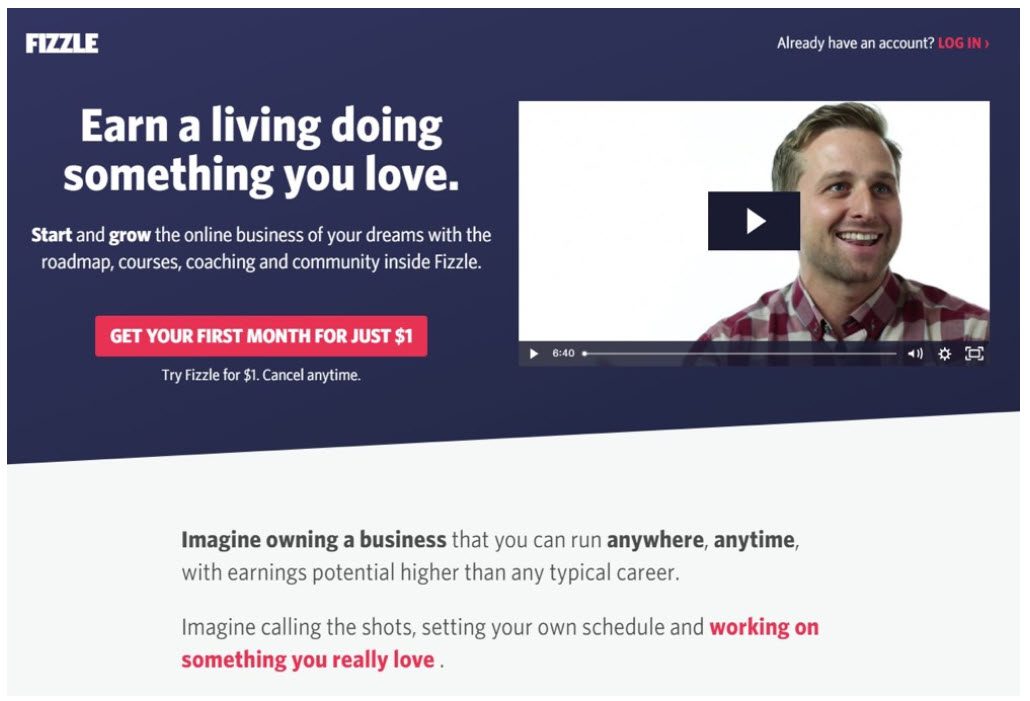
Here's an example of a compelling course offer:
>"Unlock the Secrets of Digital Marketing: A Step-by-Step Guide to Boosting Your Online Presence"
"Learn how to create a digital marketing strategy that drives real results. Join our online course and get instant access to 10 modules, 20 video lessons, and a private community of like-minded entrepreneurs."
Choosing the Right Marketing Channels
With so many marketing channels available, it's essential to choose the ones that best fit your target audience and course goals.
Here are some popular marketing channels for online courses:
Social media: Facebook, Instagram, LinkedIn, and Twitter
Email marketing: newsletters, promotional emails, and automated sequences
Content marketing: blog posts, podcasts, and video content
Paid advertising: Google Ads, Facebook Ads, and native advertising
For example, if your target audience is active on LinkedIn, you may focus on creating LinkedIn content and running LinkedIn Ads.
Building a Pre-Launch and Post-Launch Marketing Strategy
A successful online course marketing strategy requires a pre-launch and post-launch plan.
Pre-Launch:
Create a waitlist or interest list to build anticipation
Offer a free introductory resource, such as a webinar or eBook
Utilize social media and email marketing to create buzz
Post-Launch:
Follow up with enrolled students and provide support
Encourage feedback and reviews
Continuously promote the course through email marketing and social media
Measuring and Optimizing Your Marketing Strategy
To ensure the success of your online course marketing strategy, it's crucial to measure and optimize your efforts.
Here are some key metrics to track:
Website traffic and engagement
Email open rates and conversion rates
Social media engagement and follower growth
Course enrollment and revenue
Use analytics tools, such as Google Analytics, to track your metrics and make data-driven decisions.
Common Online Course Marketing Mistakes to Avoid
When marketing an online course, it's easy to make mistakes that can hinder your success.
Here are some common mistakes to avoid:
Not clearly defining your target audience
Failing to create a compelling course offer
Not utilizing social proof and testimonials
Not tracking and optimizing your marketing efforts
By avoiding these common mistakes, you can create a successful online course marketing strategy that drives real results.
Case Study: A Successful Online Course Marketing Strategy
Let's take a look at a real-life example of a successful online course marketing strategy.
Meet Jane, a digital marketing expert who created an online course on Facebook Ads. Jane's goal was to generate revenue and build a community of like-minded entrepreneurs.
Here's what Jane did:
Identified her target audience: small business owners and entrepreneurs interested in digital marketing
Created a compelling course offer: a 6-module course with video lessons and a private community
Utilized social media: Facebook, Instagram, and LinkedIn
- Built a pre-launch and post-launch marketing strategy: email marketing, social media, and paid advertising
As a result, Jane's course generated $10,000 in revenue within the first month and built a community of 500 engaged students.
Frequently Asked Questions
Q: How do I market my online course on a budget?
Focus on organic marketing strategies, such as social media, email marketing, and content marketing. Utilize free resources, such as blog posts and podcasts, to promote your course.
Q: How long does it take to see results from online course marketing?
It depends on your marketing strategy and target audience. With a solid plan and execution, you can see results within a few weeks or months.
Q: What is the best way to promote my online course on social media?
Utilize a mix of promotional and engaging content. Share valuable tips, behind-the-scenes insights, and student success stories to build a community and promote your course.
Final Tips and Next Steps
Marketing an online course requires a strategic approach. By understanding your target audience, crafting a compelling course offer, and utilizing the right marketing channels, you can drive real results.
Remember to measure and optimize your marketing efforts, avoid common mistakes, and continuously promote your course.
Take the first step today and start building a successful online course marketing strategy that drives revenue and builds a community of engaged students.
Related: A Practical Guide to Low - Cost Online Business Ideas
Related: Rv Travel Checklist Template
Related: What to Know About Free Content Calendar Templates
Related: A Practical Guide to Finding and Using Small Business
