
Budgeting: A Necessary Evil?
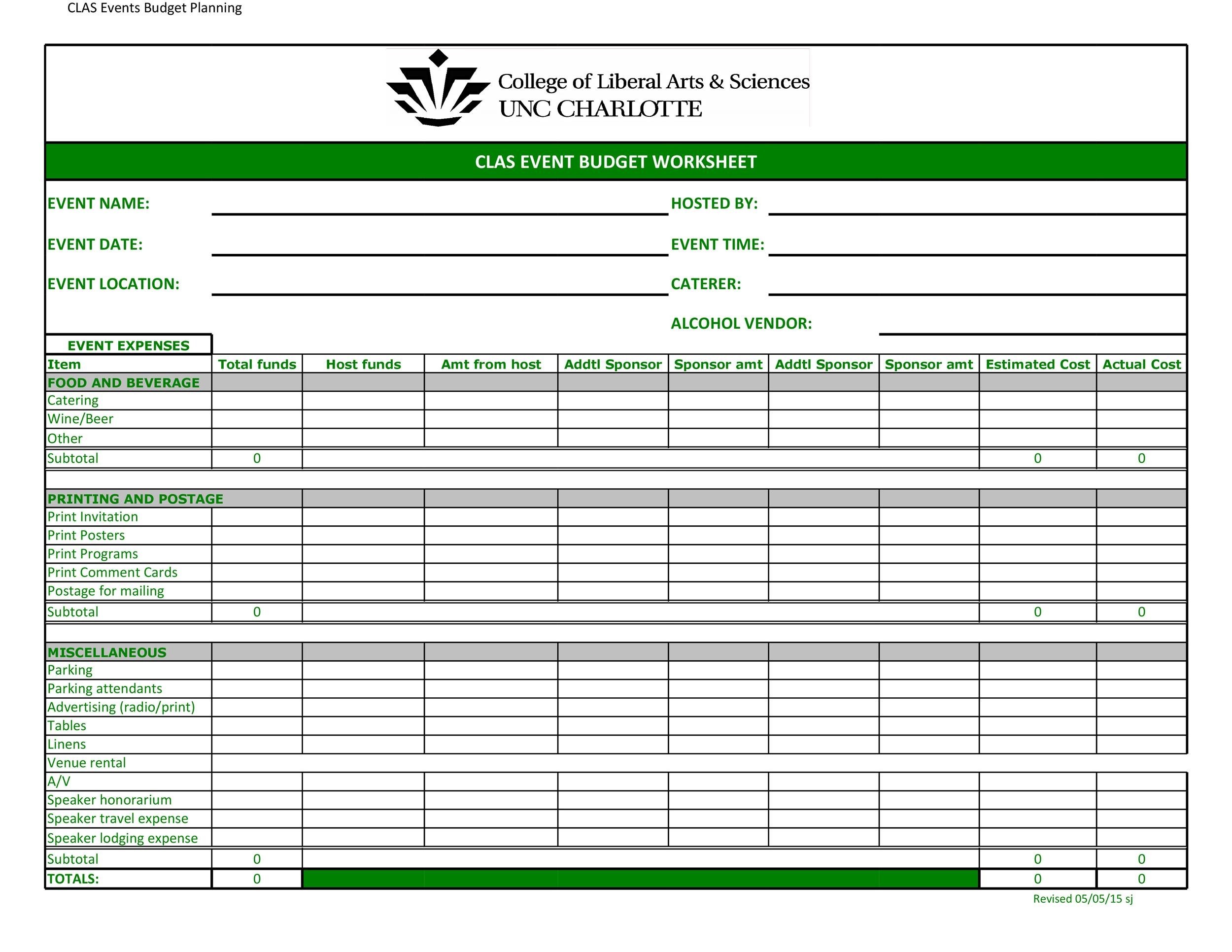
budget planning - the mere mention of it can evoke feelings of anxiety and restriction. However, having a solid grasp on your finances is crucial for achieving economic stability and peace of mind. Think of budgeting as a tool to empower yourself, rather than a constraint. By understanding where your money is going, you can make informed decisions, prioritize your spending, and work towards your long-term goals.
Understanding Your Financial Landscape
Before creating a budget, it's essential to have a clear picture of your financial situation. This involves tracking your income, expenses, debts, and savings. You can start by gathering your financial documents, such as pay stubs, bank statements, and bills. Then, categorize your expenses into needs (housing, food, utilities), wants (entertainment, hobbies), and debt payments.
Identifying Financial Stress Points
Take a closer look at your expenses and identify areas where you can cut back. Are there any subscription services you don't use? Can you negotiate a lower rate with your service providers? Are there any high-interest debts that need to be prioritized? By pinpointing these stress points, you can develop strategies to address them.
Tip 1: The 50/30/20 Rule
A simple yet effective budgeting approach is the 50/30/20 rule. Allocate 50% of your income towards necessary expenses (needs), 30% towards discretionary spending (wants), and 20% towards saving and debt repayment. This rule provides a balanced framework for managing your finances.
Pros and Cons of the 50/30/20 Rule
| <strong>Category</strong> | <strong>Allocation</strong> | <strong>Pros</strong> | <strong>Cons</strong> |
|---|---|---|---|
| Necessary Expenses | 50% | Ensures basic needs are met | May be too rigid for variable income |
| Discretionary Spending | 30% | Allows for flexibility and enjoyment | Can lead to overspending if not monitored |
| Saving and Debt Repayment | 20% | Prioritizes long-term goals and debt reduction | May not be sufficient for high-interest debts |
Tip 2: Prioritize Needs Over Wants
Distinguish between needs and wants to make informed spending decisions. Ask yourself:
Is this expense essential to my well-being or survival?
Can I delay or forego this purchase without significant consequences?
Are there alternative options that can satisfy my needs at a lower cost?
By prioritizing needs over wants, you can allocate your resources more efficiently and make progress towards your financial goals.
Tip 3: Automate Your Savings
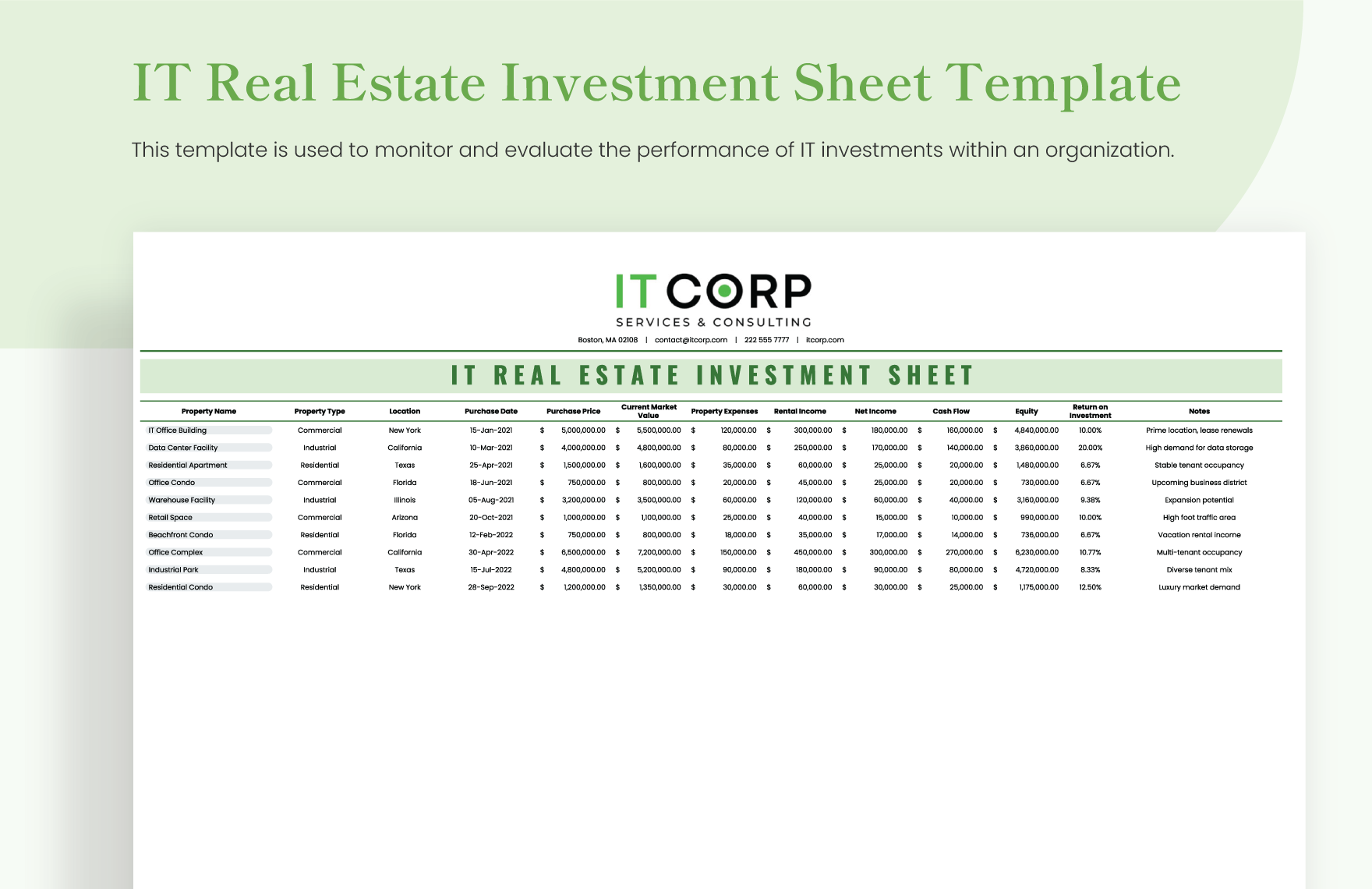
Automating your savings can help you stick to your budget and build wealth over time. Set up automatic transfers from your checking account to your savings or investment accounts. This way, you'll ensure that you save a fixed amount regularly, without having to think about it.
Benefits of Automating Your Savings
Automating your savings can help you:
Develop a savings habit
Reduce the likelihood of impulse purchases
Take advantage of compound interest
Build a safety net for unexpected expenses
Budgeting Tools and Resources
Utilize budgeting apps, spreadsheets, or planners to streamline your financial management. Some popular budgeting tools include:
Mint
Personal Capital
YNAB (You Need a Budget)
Excel or Google Sheets
These tools can help you track your expenses, create a budget plan, and set financial goals.
Common Budgeting Mistakes to Avoid
Steer clear of common budgeting pitfalls, such as:
Not accounting for irregular expenses
Failing to prioritize debt repayment
Overestimating income or underestimating expenses
- Not reviewing and adjusting your budget regularly
By being aware of these potential mistakes, you can create a more effective budget plan.
Frequently Asked Questions
Q: How often should I review my budget?
Review your budget regularly, ideally every 3-6 months, to ensure you're on track to meet your financial goals.
Q: What if I have variable income?
Consider using a budgeting approach that accounts for variable income, such as the 50/30/20 rule or a zero-based budget.
Q: How can I stay motivated to stick to my budget?
Celebrate small victories, share your goals with a trusted friend or family member, and remind yourself of the benefits of budgeting, such as reduced stress and increased savings.
Conclusion
Budget planning doesn't have to be overwhelming. By understanding your financial landscape, prioritizing your spending, and automating your savings, you can create a stress-free budget plan that helps you achieve economic stability and peace of mind. Take control of your finances today and start building a brighter financial future.
