
TITLE: What to Know About Boiling Eggs Perfectly Every Time
META_DESC: Master the art of boiling eggs with our step-by-step guide, covering timing, techniques, and tips for achieving perfectly cooked eggs every time.
TAGS: egg boiling, perfect boiled eggs, cooking eggs, kitchen tips, food hacks, culinary skills, egg recipes, cooking techniques
CATEGORY: Tutorial / Lifestyle
The Simple Art of Boiling Eggs
Boiling eggs seems like a straightforward task, but achieving perfectly cooked eggs can be a challenge. Whether you prefer your eggs soft and runny or hard and firm, the key to success lies in understanding the basics of egg boiling. In this article, we'll explore the essential techniques, timing, and tips to help you boil eggs perfectly every time.
Understanding Egg Boiling Basics
Before we dive into the nitty-gritty of egg boiling, it's essential to understand the structure of an egg. An egg consists of the shell, membranes, egg white (albumen), and yolk. The egg white and yolk are the primary components that determine the texture and doneness of the egg.
Eggs come in various sizes, and their cooking times vary accordingly. The most common egg sizes are:
| Egg Size | Weight (oz) | Cooking Time (minutes) |
|---|---|---|
| Small | 1.5-1.7 | 6-7 |
| Medium | 1.7-2.0 | 7-8 |
| Large | 2.0-2.3 | 8-9 |
| Extra-Large | 2.3-2.6 | 9-10 |
| Jumbo | 2.6+ | 10-12 |
The Boiling Process
To boil eggs perfectly, you'll need to control the cooking time and temperature. Here's a step-by-step guide:
- Place eggs in a single layer: Gently place the eggs at the bottom of a saucepan or pot. This helps prevent the eggs from cracking into each other.
- Add cold water: Fill the pan with enough cold water to cover the eggs by about an inch.
- Add salt (optional): Add 1-2 tablespoons of salt to the water, if desired. Salt helps with peeling and can also reduce cracking.
- Bring to a boil: Place the pan over high heat and bring the water to a rolling boil.
- Reduce heat and simmer: Once boiling, reduce the heat to a simmer (medium-low heat).
- Cook for the desired time: Cook the eggs for the recommended time based on your desired level of doneness and egg size.
Timing is Everything
The cooking time will vary depending on your desired level of doneness. Here are some general guidelines:
Soft-boiled eggs (runny yolks): 6-7 minutes for large eggs
Medium-boiled eggs (slightly firmer yolks): 8-9 minutes for large eggs
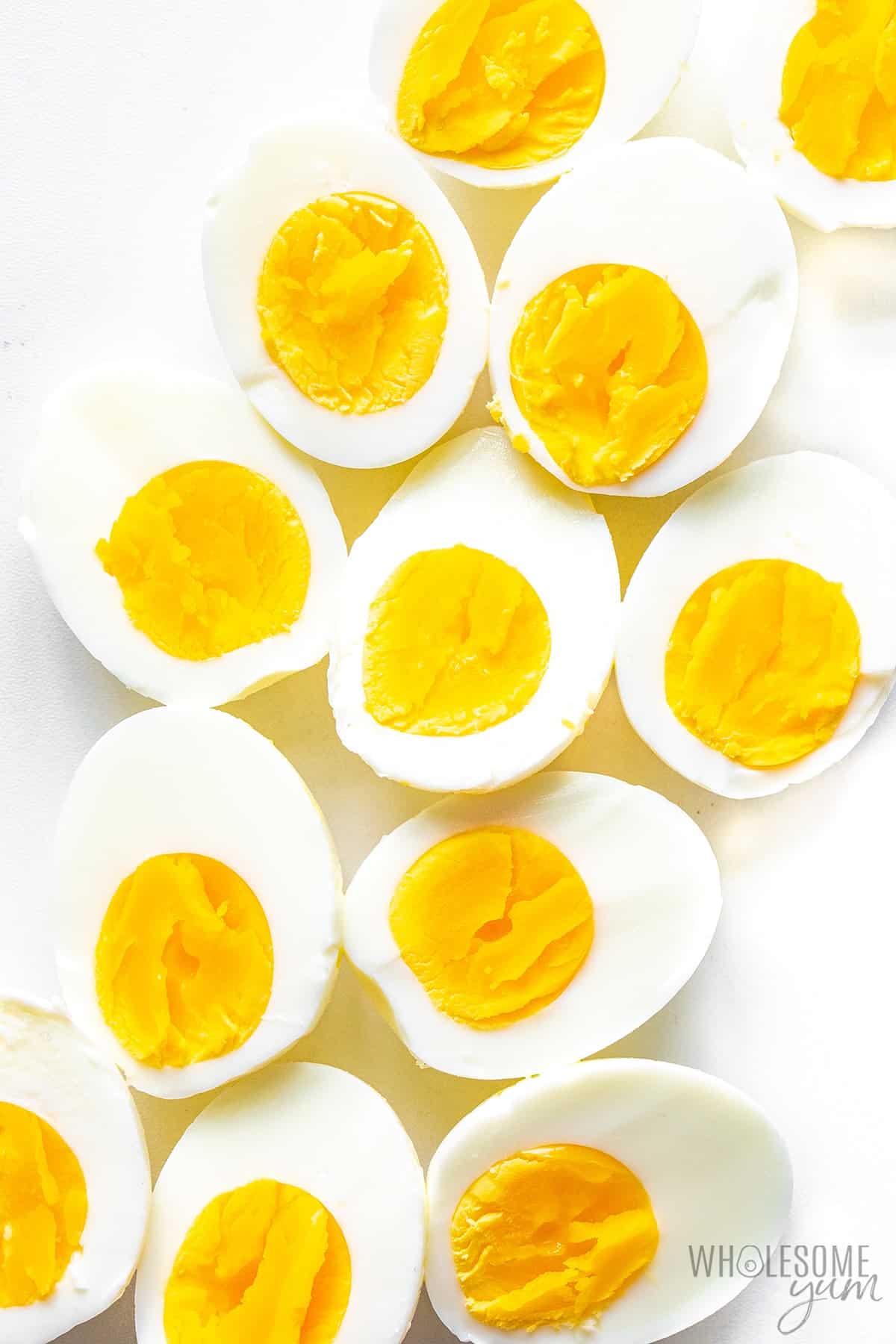
Hard-boiled eggs (fully set yolks): 10-12 minutes for large eggs

The Shocking Truth About Ice Baths
After cooking, immediately transfer the eggs to a bowl of ice water to stop the cooking process. This step is crucial for achieving perfectly cooked eggs. The ice bath helps:
Stop cooking: Rapidly cools the eggs, preventing overcooking.
Ease peeling: Helps loosen the eggshell from the egg white.
Peeling and Serving
Once the eggs have cooled, crack them gently and peel off the shells. For easier peeling, use older eggs or try peeling under running water.
Common Mistakes to Avoid
When boiling eggs, it's easy to make mistakes that can affect the final result. Here are some common errors to avoid:
Overcooking: Cooking eggs for too long can result in rubbery textures and an unpleasant taste.
Undercooking: Not cooking eggs long enough can leave the yolks runny or the whites undercooked.
Cracking eggs: Failing to handle eggs gently can cause cracks and breakage.
The Verdict: Steaming vs. Boiling
Some cooks swear by steaming eggs instead of boiling them. Steaming can help:
Reduce cracking: Steam cooking can be gentler on eggs, reducing the risk of cracking.
Easier peeling: Steamed eggs may peel more easily due to the steam helping to loosen the shell.
However, boiling remains a popular and effective method for cooking eggs. With practice and attention to timing, you can achieve perfectly boiled eggs using either method.
Frequently Asked Questions
Q: How do I get eggs to peel easily?
Use older eggs, and try peeling under running water or using an ice bath to help loosen the shell.
Q: Can I boil eggs from the refrigerator?
Yes, but it's best to let them come to room temperature first to prevent cracking.
Q: How long do hard-boiled eggs last in the fridge?
Hard-boiled eggs can be stored in the fridge for up to 7-10 days.
Q: Can I reuse boiled egg water?
Yes, you can reuse the water for cooking other foods or as a base for soups.
The Final Word
Boiling eggs perfectly every time requires attention to detail, understanding of egg structure, and control over cooking time and temperature. By following these tips, techniques, and guidelines, you'll become a master egg boiler, capable of producing perfectly cooked eggs that will impress family and friends. Happy cooking!
Related: should i unfollow someone after argument
Related: How to Stop Wasting Money Daily: Practical Strategies for
Related: phone lagging after update fix
Related: What to Know About Free Resume Templates Without Paying
