

The Daily Money Drain
Have you ever stopped to think about how much money you waste on a daily basis? From impulse buys to subscription services you never use, the costs can add up quickly. It's easy to overlook these small expenses, but they can have a significant impact on your financial health over time. In this article, we'll explore practical strategies for identifying and eliminating daily money waste, helping you make the most of your hard-earned cash.
Understanding Your Spending Habits
The first step to avoiding daily money waste is to understand where your money is going. For one month, write down every single transaction you make, from buying coffee to paying bills. This exercise may seem tedious, but it's essential to getting a clear picture of your spending habits. At the end of the month, categorize your expenses into needs (housing, food, transportation) and wants (entertainment, hobbies).
You'll likely be surprised at how much you spend on wants versus needs. This insight will help you identify areas where you can cut back. For example, if you see that you're spending $50 a week on dining out, you might consider cooking more meals at home.
The 50/30/20 Rule
A simple and effective way to allocate your income is by using the 50/30/20 rule. Allocate 50% of your income towards needs, 30% towards discretionary spending, and 20% towards saving and debt repayment. This rule helps ensure that you're covering your essential expenses while also making progress on your financial goals.
Here's a breakdown of how this might look:
| Category | Allocation |
|---|---|
| Needs (housing, food, transportation) | 50% |
| Discretionary spending (entertainment, hobbies) | 30% |
| Saving and debt repayment | 20% |
Cutting Back on Subscription Services
Subscription services, such as streaming platforms, gym memberships, and software subscriptions, can quickly add up. Take a close look at your subscriptions and ask yourself:
Am I using this service regularly?
Is there a cheaper alternative?
Can I cancel or downgrade?
Consider canceling any subscription that doesn't bring significant value to your life. For example, if you have a gym membership but haven't gone to the gym in months, it's likely time to cancel.
Avoiding Impulse Buys
Impulse buys can be a significant source of daily money waste. To avoid making impulse purchases, try implementing a 30-day waiting period. When you see something you want to buy, wait 30 days before making the purchase. This allows you to assess whether the item is something you truly need or just a want.
Another strategy is to use the 10-second rule. When you see something you want to buy, pause for 10 seconds and ask yourself:
Do I really need this?
Can I afford it?
Will I use it regularly?
Building an Emergency Fund
Having an emergency fund in place can help you avoid going into debt when unexpected expenses arise. Aim to save 3-6 months' worth of living expenses in an easily accessible savings account. This fund will provide a cushion for unexpected expenses, such as car repairs or medical bills.
Practical Tips for Saving Money
Here are some additional practical tips for saving money:
Cook at home: Cooking meals at home can save you around $500-700 per month compared to eating out.
Cancel unnecessary expenses: Review your bills and cancel any unnecessary expenses, such as landline phone service or subscription boxes.
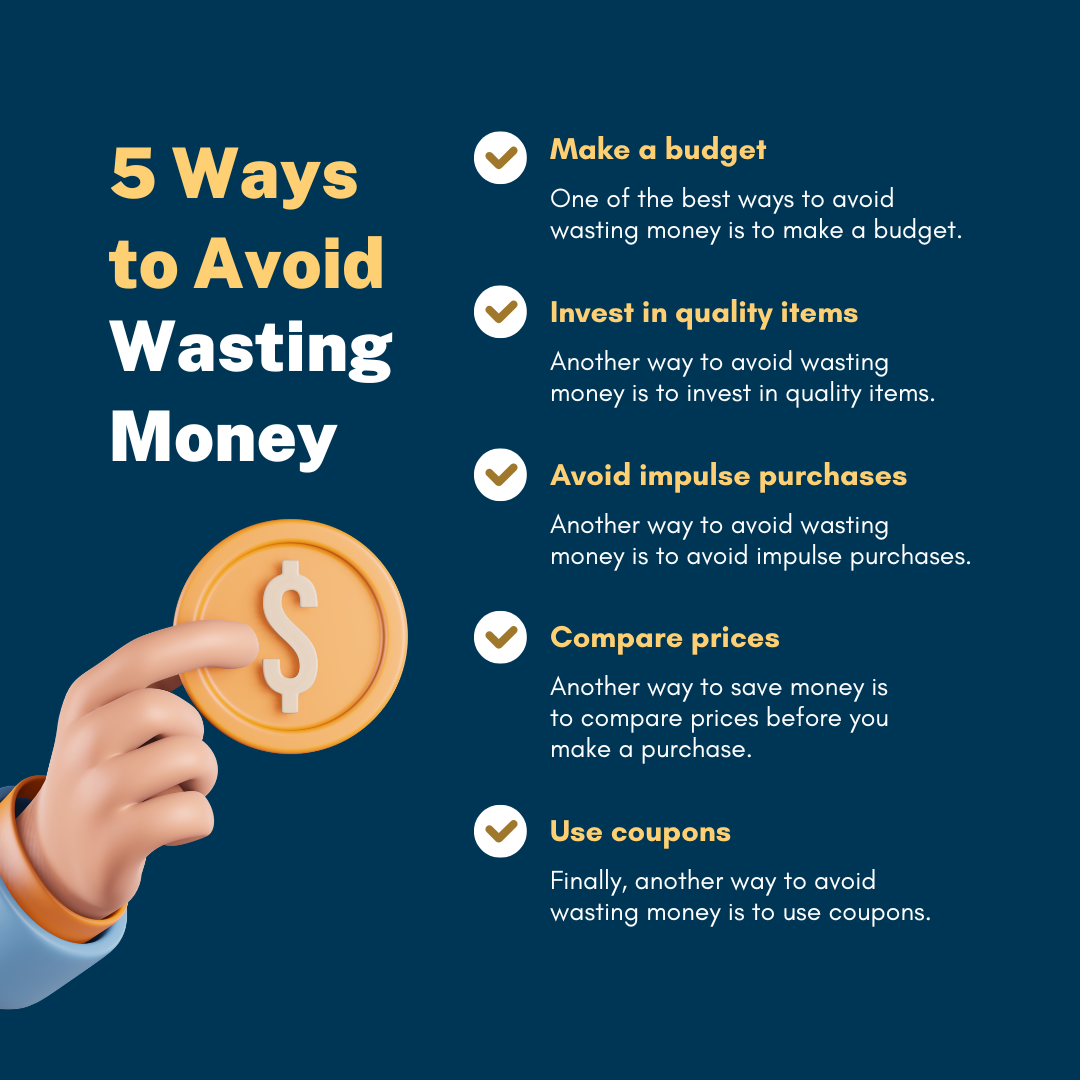
Shop smart: Compare prices, look for discounts, and use coupons to save on everyday items.
Use cashback apps: Use cashback apps, such as Ibotta or Fetch Rewards, to earn money back on your purchases.
FAQs
Q: How can I stop wasting money on daily expenses?
Start by tracking your expenses, understanding your spending habits, and making conscious financial decisions. Implement practical strategies, such as the 50/30/20 rule, cutting back on subscription services, and avoiding impulse buys.
Q: What are some common daily expenses that people waste money on?
Common daily expenses that people waste money on include impulse buys, subscription services they don't use, and dining out excessively.
Q: How can I save money on everyday items?
Compare prices, look for discounts, and use coupons to save on everyday items. Consider shopping at discount stores or using cashback apps.
Q: What is the best way to allocate my income?
A simple and effective way to allocate your income is by using the 50/30/20 rule. Allocate 50% of your income towards needs, 30% towards discretionary spending, and 20% towards saving and debt repayment.
Conclusion
Avoiding daily money waste requires a combination of understanding your spending habits, making conscious financial decisions, and implementing practical strategies for savings. By following the tips outlined in this article, you can take control of your finances and make the most of your hard-earned cash. Remember, small changes add up over time, and making a few adjustments to your daily spending habits can have a significant impact on your financial health.
Related: best basic pet care tips
Related: Creating a Simple To - Do List for Better Productivity
Related: how to write excuse note for missing work simple
Related: knee pain after walking too much
Related: why is my ac making rattling noise
Related: good free resume templates
